Introduction
High Tg FR-4 PCBs represent an advanced evolution of the standard FR-4 material widely used in printed circuit board fabrication. These high-temperature PCBs incorporate resins with elevated glass transition temperature, enabling reliable performance in demanding thermal environments. Engineers designing for automotive or industrial applications often select high Tg FR-4 to mitigate risks associated with heat exposure during operation and assembly. Understanding the role of the Tg value in FR-4 performance is crucial for optimizing board reliability and longevity. This article explores the definition, benefits, and key applications of high Tg FR-4, providing factory-driven insights aligned with industry standards.
What Is High Tg FR-4 PCB and Why It Matters
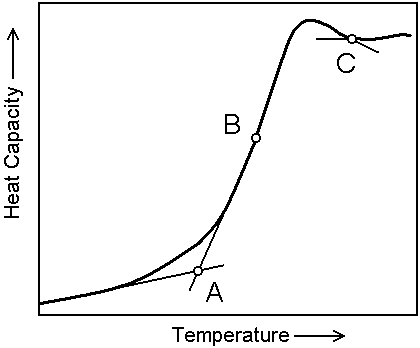
High Tg FR-4 refers to a flame-retardant epoxy laminate where the glass transition temperature exceeds that of conventional FR-4 materials. The glass transition temperature, or Tg value, marks the point at which the resin shifts from a rigid, glassy state to a more flexible, rubbery condition under heat. Standard FR-4 typically suits moderate-temperature uses, but high Tg variants address limitations in high-temperature PCB scenarios by maintaining structural integrity longer. This distinction becomes critical in processes like lead-free soldering, where peak temperatures challenge material stability.
In manufacturing, high Tg FR-4 follows specifications outlined in IPC-4101 for base materials, ensuring consistent properties across production runs. Factory teams prioritize these materials for multilayer boards prone to thermal stress, reducing defects like delamination. For electric engineers, selecting the appropriate Tg value directly impacts FR-4 performance in real-world conditions, influencing everything from assembly yields to field reliability. Ignoring this can lead to premature failures in heat-intensive designs.
Technical Principles Behind High Tg FR-4
The engineering foundation of high Tg FR-4 lies in specialized epoxy formulations reinforced with glass cloth, designed to delay the onset of the glass transition temperature. During thermal excursions, the material's coefficient of thermal expansion remains low below Tg, preserving dimensional stability. Above Tg, however, standard materials soften rapidly, leading to issues like via barrel cracking or pad lifting. High Tg versions incorporate cross-linked resins that resist this transition, as measured by methods in IPC-TM-650.
Key mechanisms include enhanced thermal decomposition temperature and improved z-axis expansion control, vital for multilayer high-temperature PCBs. Factories test these properties to verify compliance, ensuring boards withstand reflow cycles without excessive warpage. The interplay between resin chemistry and fiberglass weave optimizes mechanical strength at elevated temperatures. Engineers benefit from this predictability when simulating thermal profiles in design software.
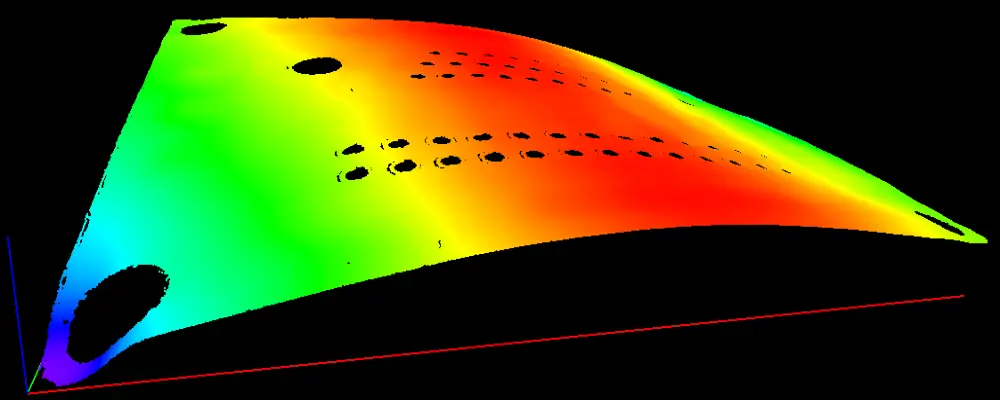
Warpage control stands out as a primary technical advantage, stemming from matched CTE between copper and substrate across temperature ranges. In high Tg FR-4, reduced moisture absorption further stabilizes performance, aligning with qualification under IPC-6012 for rigid printed boards. These principles enable consistent FR-4 performance under cyclic heating, a common stressor in automotive PCB and industrial PCB environments.
Benefits of High Tg FR-4 PCBs
High Tg FR-4 delivers superior thermal stability, allowing operation closer to peak reflow temperatures without compromising integrity. This benefit proves essential for lead-free assembly processes, where boards endure prolonged exposure above standard FR-4 limits. Reduced risk of delamination enhances overall FR-4 performance, extending service life in hot environments. Factories report higher yields with these materials due to minimized rework from heat-related defects.
Mechanical robustness at elevated temperatures represents another key advantage, with high Tg FR-4 retaining stiffness during soldering or powered operation. This translates to less board bow or twist, critical for precise component placement in dense layouts. Chemical resistance also improves, resisting degradation from fluxes or cleaning agents used in high-temperature PCB production. For engineers, these traits mean fewer iterations in prototyping thermal-critical designs.
Dimensional stability under humidity and heat cycles further bolsters reliability, particularly in industrial PCB applications prone to environmental swings. High Tg materials exhibit lower z-axis CTE post-Tg, preventing interlayer separation in thick multilayers. Cost-effectiveness remains a draw, as high Tg FR-4 processes similarly to standard grades while outperforming in demanding specs. Overall, these benefits align with factory goals for scalable, defect-free production.
Applications of High Tg FR-4 PCBs
Automotive PCBs demand high Tg FR-4 for under-hood electronics exposed to engine heat and vibration. Power control modules, engine management systems, and transmission controllers rely on this material's thermal resilience to meet stringent reliability requirements. Factories qualify these boards per IPC standards to ensure survival through automotive thermal profiles. The elevated Tg value prevents failures during extended operation near heat sources.
Industrial PCB designs, such as motor drives and power inverters, benefit from high Tg FR-4's ability to handle overload currents generating substantial heat. Inverters for robotics or heavy machinery maintain performance without softening, supporting continuous duty cycles. High-temperature PCB needs in oil and gas sensors also favor this material for downhole deployments. Engineers specify it to balance cost with robustness in harsh settings.
Other sectors like LED lighting drivers and high-power supplies leverage high Tg FR-4 for efficient heat dissipation without material degradation. Aerospace subsystems occasionally adopt it for non-extreme zones, prioritizing FR-4 performance over exotic alternatives. Across applications, the glass transition temperature dictates suitability, guiding material selection for optimal Tg value.
Best Practices for Implementing High Tg FR-4
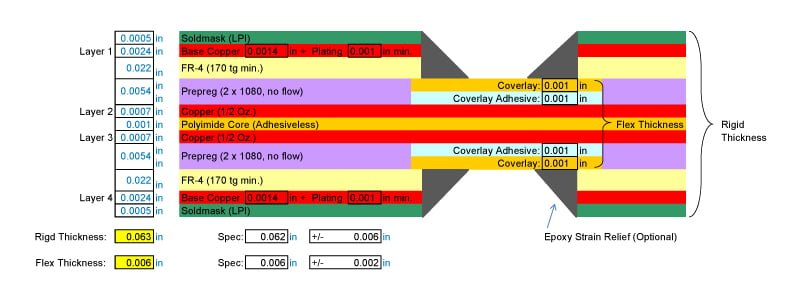
Select laminates per IPC-4101 specifications matching your peak operating temperature and reflow profile. Collaborate with fabricators early to confirm high Tg availability and processing parameters, as drilling and plating may require adjustments for denser resins. Design stackups with symmetric copper distribution to minimize warpage, simulating thermal behavior early.
During assembly, monitor reflow oven profiles to stay below Td while respecting J-STD-020 for moisture sensitivity. Post-bake boards pre-assembly to expel absorbed moisture, enhancing high-temperature PCB reliability. Test prototypes via thermal cycling to validate FR-4 performance against application stresses.
Factory-driven advice includes specifying via protection like filled vias for thermal expansion mismatches. Document Tg value requirements in procurement specs for traceability. These practices ensure high Tg FR-4 delivers expected benefits without surprises.
Conclusion
High Tg FR-4 PCBs offer a proven solution for elevating FR-4 performance in thermal-challenged designs. By prioritizing a higher glass transition temperature, engineers achieve enhanced stability, reduced warpage, and reliable operation in automotive PCB and industrial PCB roles. Adhering to standards like IPC-4101 and IPC-TM-650 guarantees consistent results from design to deployment. Selecting the right Tg value optimizes cost and reliability, making high Tg FR-4 indispensable for modern high-temperature PCBs.
FAQs
Q1: What is the glass transition temperature in high Tg FR-4 PCBs?
A1: The glass transition temperature, or Tg value, defines the threshold where the epoxy resin in high Tg FR-4 shifts from rigid to rubbery. This property, measured per IPC-TM-650 methods, ensures material integrity during heat exposure. High Tg variants provide superior FR-4 performance for lead-free soldering and high operating temperatures, reducing risks like delamination. Factory qualification verifies this for reliable high-temperature PCB use.
Q2: Why choose high Tg FR-4 for automotive PCBs?
A2: Automotive PCBs face engine heat, vibration, and thermal cycling, demanding materials beyond standard FR-4. High Tg FR-4 maintains mechanical strength and dimensional stability, aligning with IPC-6012 performance specs. This prevents warpage in power modules and controllers, extending field life. Engineers select it for balanced thermal resilience without exotic costs.
Q3: What benefits does high Tg FR-4 offer over standard FR-4 in industrial applications?
A3: In industrial PCBs, high Tg FR-4 excels with better thermal stability and lower CTE mismatch, suiting motor drives and inverters. It withstands overload heat without softening, improving FR-4 performance under continuous duty. Reduced moisture sensitivity per J-STD-020 enhances reliability in humid factories. This makes it ideal for demanding environments.
Q4: How does Tg value impact high-temperature PCB manufacturing?
A4: The Tg value governs process windows in high-temperature PCB fabrication, influencing reflow tolerance and warpage control. Higher Tg allows aggressive profiles for lead-free assembly while preserving integrity. Factories adjust parameters per IPC-4101 to leverage this, boosting yields. Proper selection optimizes overall board reliability.
References
IPC-4101 — Specification for Base Materials for Rigid and Multilayer Printed Boards. IPC
IPC-TM-650 — Test Methods Manual. IPC
IPC-6012 — Qualification and Performance Specification for Rigid Printed Boards. IPC