Introduction
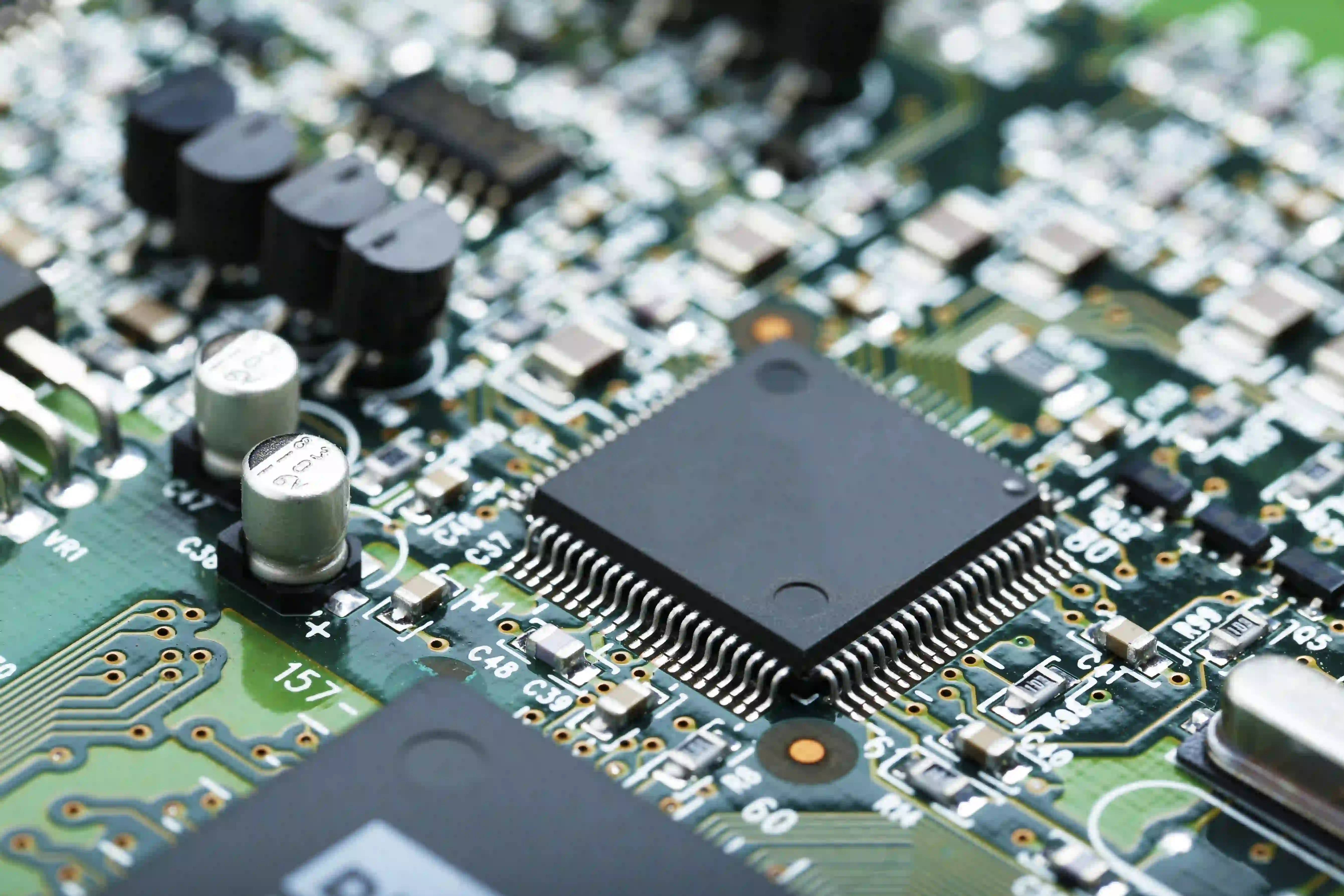
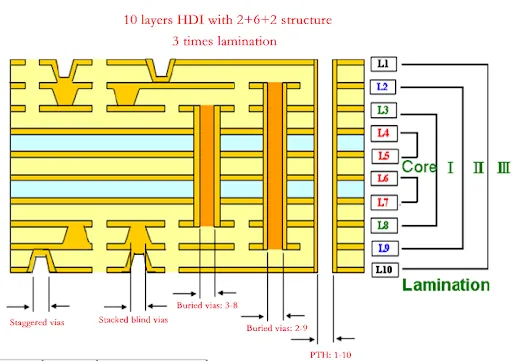
Automotive printed circuit boards (PCBs) are the backbone of modern vehicles, powering everything from engine control units to advanced driver assistance systems. With the rise of electric vehicles and autonomous driving technologies, the reliability of these boards under harsh conditions has become paramount. Testing methods such as signal integrity testing in automotive PCBs, EMC testing, and the conformal coating process play a critical role in ensuring performance and durability. This article explores the importance of these testing approaches, their technical foundations, and best practices for implementation. Aimed at electrical engineers, the content provides a detailed look into achieving robust automotive electronics that withstand extreme environments while meeting stringent industry standards.
Why Reliable Testing Matters in Automotive PCBs
Automotive PCBs operate in challenging conditions, including temperature fluctuations, vibration, and exposure to moisture. A single failure can compromise vehicle safety or functionality. Reliable testing ensures that these boards maintain performance over their lifecycle. Signal integrity testing in automotive PCBs verifies that high-speed signals remain undistorted, while EMC testing confirms that boards function without electromagnetic interference. The conformal coating process adds a protective layer to shield against environmental damage. Together, these methods address the unique demands of automotive applications, aligning with rigorous standards and preventing costly field failures. For engineers, understanding these tests is essential to design and manufacture boards that meet both regulatory and operational requirements.
Technical Principles of Key Testing Methods
Signal Integrity Testing in Automotive PCBs
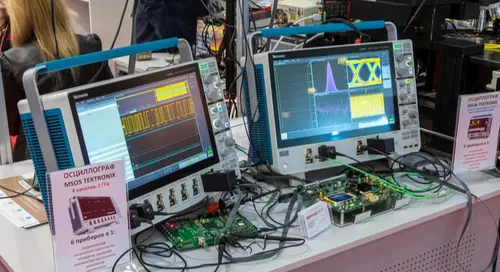
Signal integrity testing evaluates how well a PCB transmits high-speed digital signals without degradation. In automotive systems, where data rates for communication protocols are increasing, maintaining signal quality is vital. This testing focuses on parameters like impedance matching, crosstalk, and signal reflection. Engineers use time-domain reflectometry to identify impedance discontinuities and eye diagram analysis to assess signal quality. These methods help detect issues that could lead to data errors in critical systems like braking or sensor networks. By ensuring clean signal transmission, this testing supports the reliability of real-time automotive applications under varying electrical and thermal stresses.
EMC Testing for Electromagnetic Compatibility
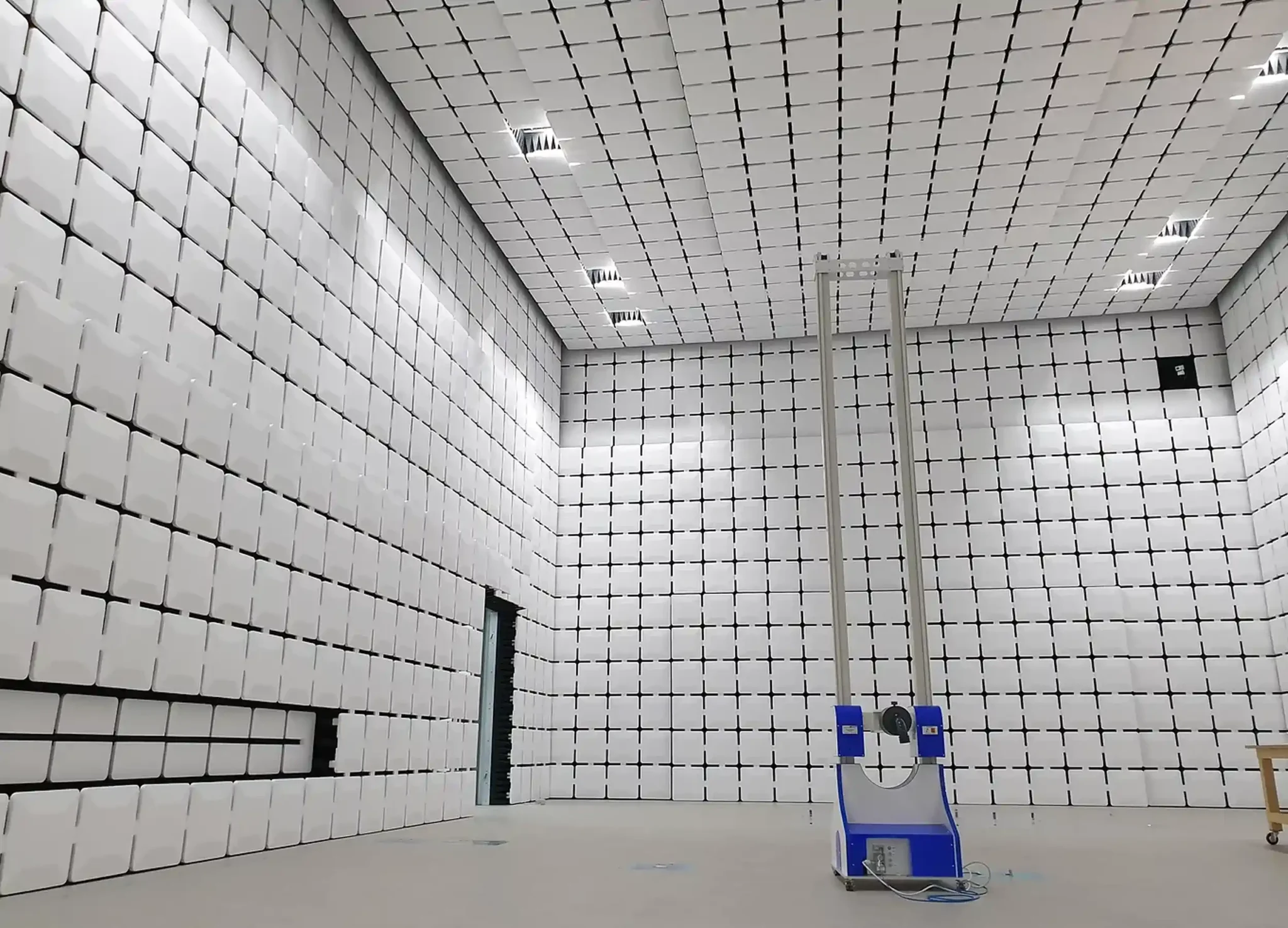
Electromagnetic compatibility (EMC) testing assesses a PCB's ability to operate in its intended electromagnetic environment without causing or suffering from interference. In automotive contexts, EMC testing is crucial due to the proximity of multiple electronic systems. This process involves radiated and conducted emission tests to measure interference generated by the board, as well as immunity tests to evaluate its resistance to external electromagnetic fields. Standards like IEC 61000-4 provide guidelines for test levels and methods. Compliance ensures that automotive electronics do not disrupt or get affected by other vehicle systems, maintaining safety and functionality in densely packed electronic environments.
Conformal Coating Process and Testing
The conformal coating process involves applying a thin protective layer over a PCB to guard against moisture, dust, and chemical exposure. In automotive applications, where boards face harsh conditions, coatings like acrylics or silicones are commonly used. The process includes surface cleaning, coating application via spraying or dipping, and curing under controlled conditions. Post-application testing, often guided by standards like IPC-CC-830C, evaluates coating thickness, adhesion, and coverage uniformity. These tests confirm that the coating provides adequate protection without compromising electrical performance, extending the PCB's lifespan in environments with high humidity or temperature swings.
Practical Solutions and Best Practices
Implementing Signal Integrity Testing
To achieve accurate signal integrity testing in automotive PCBs, engineers should start with proper design practices. This includes controlled impedance routing and minimizing signal path lengths to reduce reflections. During testing, use high-bandwidth oscilloscopes and network analyzers to capture detailed signal characteristics. Simulate real-world operating conditions by introducing thermal and electrical stress to identify potential failure points. Documenting test results and comparing them against design specifications helps in refining layouts. Regular calibration of testing equipment ensures measurement accuracy, providing reliable data for iterative improvements in high-speed automotive designs.
Conducting Effective EMC Testing
For EMC testing, begin with a design that incorporates grounding strategies and shielding to minimize interference. Place sensitive components away from high-noise areas during layout planning. Conduct pre-compliance testing early in the development cycle to catch issues before full certification tests, saving time and resources. Use standardized test setups as outlined in IEC 61000-4 series to ensure repeatability. Analyze both emission and immunity results to balance design adjustments without over-engineering. Maintaining a controlled test environment, free from external electromagnetic noise, is critical for obtaining valid outcomes that reflect real-world performance.
Related Reading: Near-field EMI Testing for Drone Platforms
Optimizing the Conformal Coating Process
A successful conformal coating process starts with thorough surface preparation. Clean the PCB to remove contaminants that could affect adhesion. Select a coating material based on the specific environmental challenges the board will face, referencing guidelines from IPC-CC-830C for material properties. Apply the coating uniformly, using automated equipment for consistency in thickness. Inspect the coated board under UV light to detect uncovered areas or defects. Test samples under accelerated aging conditions to simulate long-term exposure, ensuring the coating withstands automotive stressors like vibration and thermal cycling without cracking or peeling.
Integrating Testing into the Development Cycle
Integrate all testing methods into the PCB development cycle from design to production. Start with simulation tools during the design phase to predict signal integrity and EMC performance. Prototype testing should include environmental stress tests to mimic automotive conditions. Use in-circuit testing to verify assembly quality before applying conformal coatings. Final validation must align with industry standards like IPC-6012E, ensuring performance specifications are met. This structured approach reduces redesign costs and accelerates time to market while maintaining high reliability standards for automotive applications.
Related Reading: Testing and Inspection Methods for Multi-Layer PCBs: Guaranteeing Performance
Troubleshooting Common Issues in Automotive PCB Testing
Signal integrity issues often arise from impedance mismatches or excessive crosstalk. Engineers can address this by refining trace widths and spacing during design reviews. EMC failures may stem from inadequate grounding or poor component placement. Adjusting layouts to separate noisy and sensitive circuits often resolves these problems. For the conformal coating process, uneven application or poor adhesion can lead to protection failures. Adjusting curing times and verifying material compatibility with the PCB substrate can mitigate such risks. Systematic troubleshooting, guided by test data, ensures issues are resolved without compromising overall board performance.
Conclusion
Reliable testing in automotive PCBs is a cornerstone of ensuring safety and performance in modern vehicles. Signal integrity testing in automotive PCBs guarantees accurate data transmission, while EMC testing prevents interference in complex electronic environments. The conformal coating process adds a vital layer of environmental protection, validated through rigorous inspection. By adopting best practices and adhering to recognized standards, engineers can design and manufacture PCBs that endure the rigors of automotive applications. These testing methods collectively uphold quality, supporting the evolution of safer and more advanced vehicle technologies.
FAQs
Q1: How does signal integrity testing in automotive PCBs impact performance?
A1: Signal integrity testing in automotive PCBs ensures that high-speed signals transmit without distortion, critical for systems like braking or sensors. It identifies issues like crosstalk or reflections using tools like oscilloscopes. This testing prevents data errors, ensuring real-time communication remains reliable under varying conditions, ultimately enhancing vehicle safety and functionality.
Q2: What are the key steps in the conformal coating process for automotive PCBs?
A2: The conformal coating process for automotive PCBs involves cleaning the board, applying a protective layer via spraying or dipping, and curing it under controlled conditions. Testing for thickness and adhesion, as per standards like IPC-CC-830C, confirms coverage. This process shields against moisture and vibration, extending board life in harsh environments.
Q3: Why is EMC testing critical for automotive electronics?
A3: EMC testing is vital for automotive electronics to ensure they operate without causing or suffering from electromagnetic interference. It includes emission and immunity tests to maintain system integrity. Following standards like IEC 61000-4, this testing prevents disruptions in densely packed vehicle electronics, safeguarding performance and safety.
Q4: How can engineers optimize signal integrity testing in automotive PCBs?
A4: Engineers can optimize signal integrity testing in automotive PCBs by focusing on impedance control and minimizing signal path lengths in design. Using high-bandwidth tools for accurate measurements and simulating real-world stresses during testing identifies weaknesses. Regular equipment calibration ensures precision, supporting robust high-speed signal performance.
References
IPC-6012E — Qualification and Performance Specification for Rigid Printed Boards. IPC, 2021.
IPC-CC-830C — Qualification and Performance of Electrical Insulating Compound for Printed Wiring Assemblies. IPC, 2018.
IEC 61000-4-2 — Electromagnetic Compatibility (EMC) - Part 4-2: Testing and Measurement Techniques - Electrostatic Discharge Immunity Test. IEC, 2008.
IEC 61000-4-3 — Electromagnetic Compatibility (EMC) - Part 4-3: Testing and Measurement Techniques - Radiated, Radio-Frequency, Electromagnetic Field Immunity Test. IEC, 2020.