Introduction
Power and thermal management systems are critical components in modern engineering, especially in high-performance applications like the Joint Strike Fighter aircraft. These systems ensure reliable electrical power distribution and maintain optimal operating temperatures for sensitive electronic components. As aircraft designs evolve toward more electric architectures, integrating these systems into a single cohesive framework becomes vital. This article explores the fundamentals of electrical power and thermal management, their significance in advanced electric architectures, and their specific relevance to cutting-edge platforms like military aircraft. Aimed at electric engineers, the discussion provides technical insights into maintaining system efficiency and reliability under extreme conditions. Understanding these principles is essential for designing robust systems that meet stringent performance and safety standards in demanding environments.
What Are Power and Thermal Management Systems and Why Do They Matter
Power and thermal management systems are engineered solutions designed to control electrical power distribution and dissipate heat generated by electronic and mechanical components. In contexts like the Joint Strike Fighter aircraft, where electric architectures are increasingly complex, these systems prevent overheating and ensure consistent power delivery to critical subsystems. Their importance lies in maintaining operational integrity, extending component lifespan, and enhancing safety. Without effective management, excessive heat can degrade performance, while power inconsistencies can lead to system failures. For military aircraft, where reliability under extreme conditions is non-negotiable, integrating electrical power and thermal management into a single system optimizes space, weight, and efficiency. This convergence is a cornerstone of modern electric architectures, enabling advanced capabilities while meeting rigorous design constraints.
Technical Principles of Power and Thermal Management
Electrical Power Distribution Mechanisms
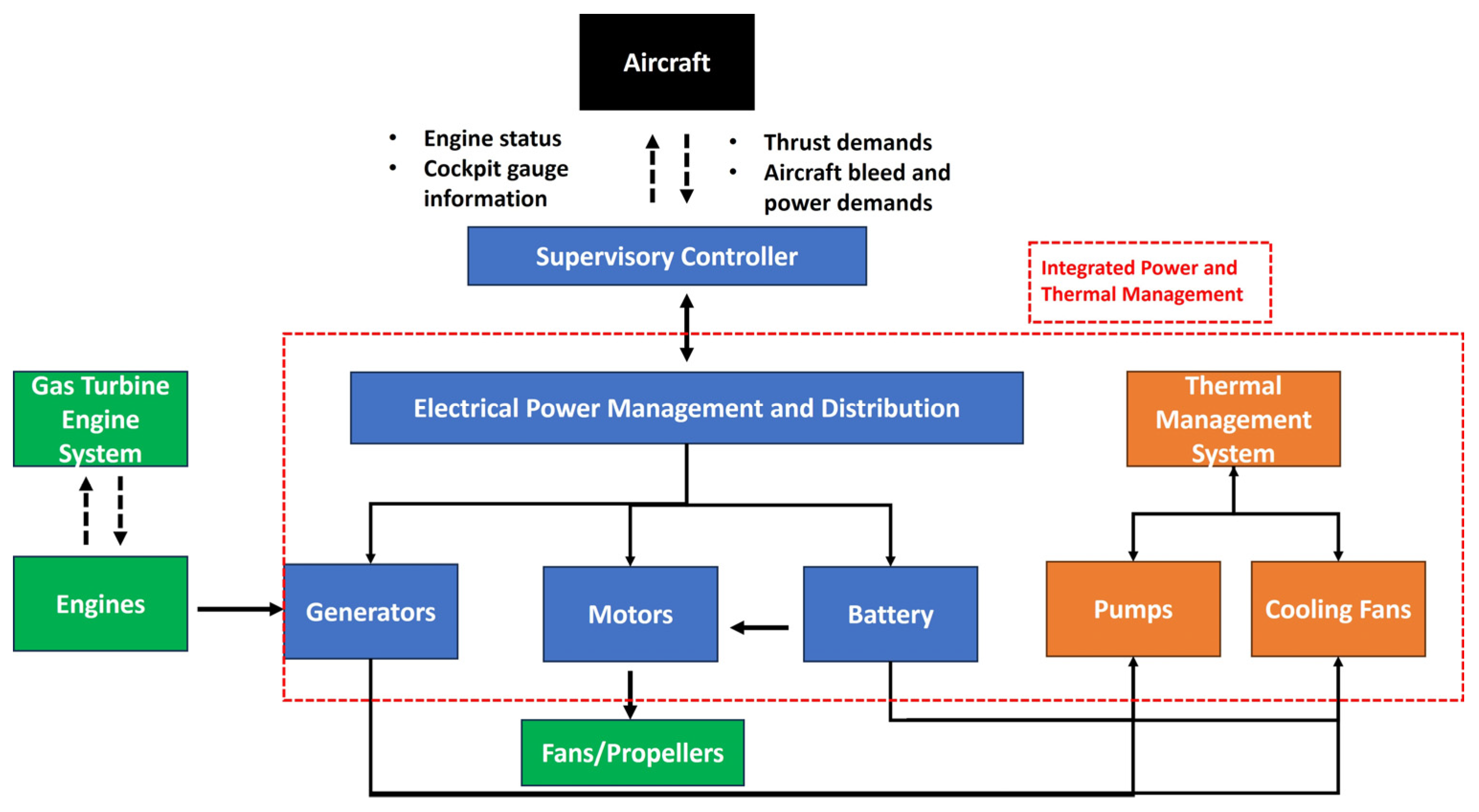
In advanced platforms like military aircraft, electrical power systems are responsible for generating, distributing, and regulating energy to various subsystems. These systems typically involve generators driven by engines or auxiliary units, converting mechanical energy into electrical energy. The power is then conditioned and distributed through a network of buses and converters to meet the specific voltage and current requirements of different components. Stability in power delivery is crucial, as fluctuations can impair avionics, sensors, and actuation systems. Modern electric architectures often employ sophisticated control algorithms to balance loads and prevent overloads, ensuring seamless operation during dynamic mission profiles.
Thermal Management Fundamentals
Thermal management focuses on controlling the heat generated by electrical and mechanical systems to maintain components within safe operating temperatures. Heat dissipation is achieved through conduction, convection, and radiation, often facilitated by heat sinks, cooling fluids, or forced air systems. In high-performance environments, such as those encountered in the Joint Strike Fighter aircraft, thermal loads are significant due to dense electronic packaging and high-power demands. Effective thermal management prevents thermal runaway, where excessive heat causes cascading failures. Engineers must design systems that balance heat rejection with minimal impact on weight and space, a challenge amplified in compact electric architectures.
Integration into a Single System
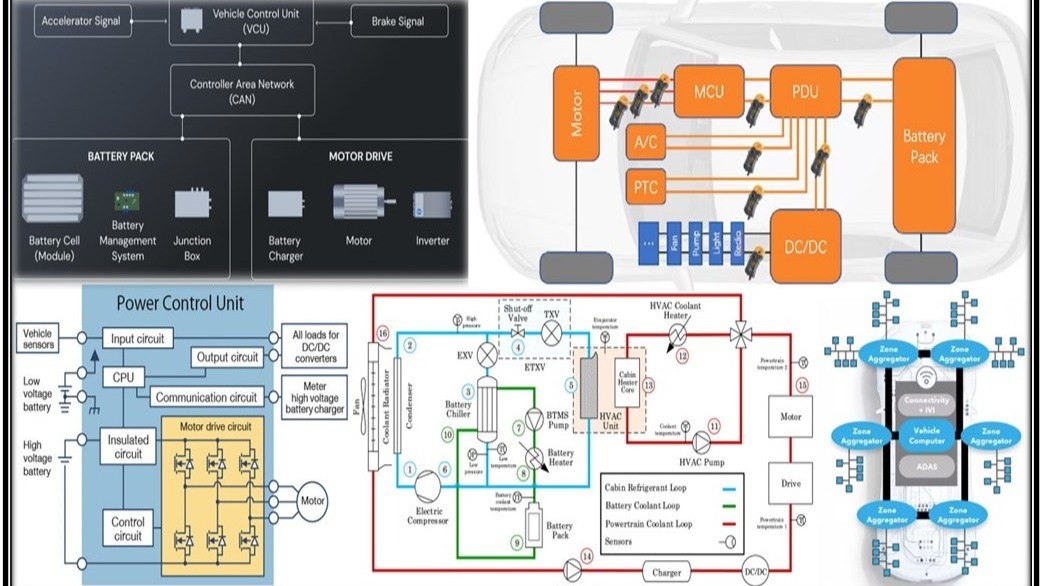
Integrating electrical power and thermal management into a single system is a growing trend in advanced electric architectures. This approach reduces redundancy, minimizes weight, and enhances efficiency by combining power distribution and cooling mechanisms into a unified framework. For instance, a single system might use shared cooling channels to manage heat from power electronics while ensuring stable energy delivery. Such integration requires precise engineering to align power and thermal cycles, avoiding conflicts between electrical demands and cooling capacity. Standards like IPC-6012E provide guidelines for designing robust electronic assemblies that can withstand the stresses of integrated systems, ensuring reliability in critical applications.
Related Reading: Edge Computing and Thermal Management
Challenges in Power and Thermal Management for Aircraft
High Power Density and Heat Loads
Military aircraft, such as the Joint Strike Fighter, operate with high power density due to advanced avionics, radar, and weapon systems. This results in significant heat generation within confined spaces, challenging thermal management designs. Engineers must address heat dissipation without compromising the aircraft's weight or aerodynamic profile. Materials with high thermal conductivity and lightweight cooling solutions are often employed to tackle these issues. Adhering to standards like IPC-A-600K ensures that electronic boards can handle thermal stresses without failure, maintaining performance under intense operational conditions.
Dynamic Operating Conditions
Aircraft experience rapid changes in environmental conditions, from high-altitude cold to ground-level heat, alongside varying power demands during different mission phases. Power and thermal management systems must adapt dynamically to these shifts, ensuring consistent electrical power delivery and temperature control. This requires robust control systems capable of real-time monitoring and adjustment. Designing for such variability involves rigorous testing and compliance with standards like JEDEC J-STD-020E, which addresses moisture and thermal sensitivity in electronic components, ensuring reliability across diverse scenarios.
Space and Weight Constraints
In aircraft electric architectures, space and weight are premium considerations. Integrating power and thermal management into a single system helps address these constraints by reducing the need for separate hardware. However, achieving this integration without sacrificing performance is complex. Engineers must optimize component placement and cooling paths to fit within tight envelopes while maintaining efficiency. Standards like ISO 9001:2015 guide the design and implementation processes, ensuring quality and consistency in constrained environments.
Practical Solutions for Effective Management
Advanced Cooling Techniques
To manage high thermal loads, engineers employ advanced cooling techniques such as liquid cooling and phase-change materials. Liquid cooling systems circulate fluids through channels near heat sources, absorbing and transferring heat away from critical components. Phase-change materials absorb heat by changing state, providing passive cooling in confined spaces. These methods are particularly effective in dense electric architectures where traditional air cooling may be insufficient. Compliance with standards like IPC-6012E ensures that electronic assemblies can withstand the mechanical and thermal stresses associated with advanced cooling implementations.
Power Load Balancing
Effective electrical power management relies on load balancing to prevent overloads and ensure equitable energy distribution. This involves using intelligent power controllers that monitor demand and adjust supply in real time. Such systems are essential in military aircraft, where sudden power spikes from radar or weapon systems can strain resources. Designing these controllers to meet standards like IPC-A-600K guarantees that the underlying hardware can handle dynamic loads without degradation, maintaining system reliability.
Modular Design Approaches
Adopting modular designs for power and thermal management systems offers flexibility and ease of maintenance. Modules can be tailored to specific aircraft subsystems, allowing for targeted cooling and power delivery. This approach also simplifies upgrades, as individual modules can be replaced or enhanced without overhauling the entire system. Modular designs align with quality management principles outlined in ISO 9001:2015, ensuring consistent performance and facilitating integration into a single system framework.
Insights into Joint Strike Fighter Aircraft Applications
The Joint Strike Fighter aircraft exemplifies the critical role of integrated power and thermal management systems in modern electric architectures. This platform incorporates advanced avionics and propulsion systems that generate substantial electrical and thermal loads. A unified system approach is employed to manage these demands, optimizing weight and space while ensuring mission readiness. Engineers focus on designing compact, high-efficiency systems capable of withstanding extreme conditions, from high-altitude operations to rapid maneuvers. Thermal management solutions must dissipate heat from densely packed electronics without adding bulk, while power systems ensure uninterrupted energy to critical functions. Adhering to rigorous standards like JEDEC J-STD-020E during component selection and testing helps maintain reliability in such high-stakes environments.
Related Reading: A Beginner's Guide to PCB Thermal Design.
Conclusion
Power and thermal management systems are indispensable in ensuring the reliability and efficiency of advanced electric architectures, particularly in demanding applications like the Joint Strike Fighter aircraft. By integrating electrical power and thermal control into a single system, engineers can address the challenges of high power density, dynamic conditions, and space constraints. Practical solutions, such as advanced cooling techniques, load balancing, and modular designs, enhance system performance while adhering to established industry standards. For electric engineers, understanding these principles is key to designing robust systems that meet the stringent requirements of modern aircraft. Continued focus on integration and innovation will drive further advancements in this critical field.
FAQs
Q1: How do power and thermal management systems impact electrical power in aircraft?
A1: Power and thermal management systems directly influence electrical power delivery by ensuring stable energy distribution and preventing overheating of components. In aircraft, these systems balance loads and dissipate heat from high-power electronics, maintaining performance. Without proper management, power fluctuations or thermal stress can lead to failures in critical subsystems, affecting overall mission success.
Q2: Why is thermal management critical for Joint Strike Fighter aircraft?
A2: Thermal management is vital for Joint Strike Fighter aircraft due to the intense heat generated by advanced avionics and propulsion systems. Effective cooling prevents component degradation and ensures reliability under extreme conditions. Integrated systems manage thermal loads within tight space constraints, preserving operational integrity and extending the lifespan of sensitive electronics in high-stakes environments.
Q3: What role does electric architecture play in integrating a single system for power and thermal control?
A3: Electric architecture serves as the backbone for integrating power and thermal control into a single system by providing a unified framework for energy and heat management. It enables efficient load distribution and cooling within compact designs, crucial for aircraft. This integration reduces weight and redundancy, optimizing performance in platforms with complex power demands.
Q4: How do standards support single system designs in aircraft electric architectures?
A4: Standards like IPC-6012E and ISO 9001:2015 provide guidelines for designing and implementing single system solutions in aircraft electric architectures. They ensure components withstand thermal and electrical stresses, maintain quality, and meet performance criteria. Compliance with these standards guarantees reliability and safety, supporting seamless integration of power and thermal management in demanding applications.
References
IPC-6012E — Qualification and Performance Specification for Rigid Printed Boards. IPC, 2020.
IPC-A-600K — Acceptability of Printed Boards. IPC, 2020.
JEDEC J-STD-020E — Moisture/Reflow Sensitivity Classification. JEDEC, 2014.
ISO 9001:2015 — Quality Management Systems. ISO, 2015.