Introduction
Radio Frequency (RF) printed circuit boards are critical components in high-frequency applications such as telecommunications, aerospace, and radar systems. These boards demand materials with precise electrical and thermal properties to ensure signal integrity and reliability. Fillers play a pivotal role in RF laminate materials, particularly in controlling dielectric constant and managing thermal expansion. By incorporating elements like ceramic fillers and woven glass into polytetrafluoroethylene (PTFE) based laminates, engineers can tailor material performance for specific needs.
This article explores the significance of RF PCB ceramic fillers, RF PCB woven glass, and PTFE fillers in enhancing board performance. It delves into their impact on dielectric constant control and thermal expansion control, offering insights for electrical engineers seeking to optimize designs for demanding environments.
What Are Fillers in RF Laminate Materials and Why Do They Matter
Fillers are additives integrated into the base material of RF laminates to modify their electrical, mechanical, and thermal characteristics. In RF PCB design, the base material often consists of PTFE, a polymer known for its low dielectric constant and excellent chemical resistance. However, pure PTFE lacks the mechanical strength and thermal stability required for high-frequency applications. This is where fillers such as ceramic particles and woven glass reinforcements become essential.
These fillers serve multiple purposes. They enhance the structural integrity of the laminate, reduce thermal expansion, and provide dielectric constant control to maintain signal consistency. For electrical engineers, selecting the right filler is crucial because it directly impacts signal loss, impedance matching, and thermal management. Poorly chosen materials can lead to signal degradation or board failure under temperature fluctuations. Understanding the role of RF PCB ceramic fillers and RF PCB woven glass ensures designs meet the stringent demands of modern RF systems.
Technical Principles of Fillers in RF Laminates
Dielectric Constant Control with Fillers
The dielectric constant, often denoted as Dk, determines how a material affects the electric field in a capacitor. In RF applications, a stable and low Dk is vital for minimizing signal delay and loss. PTFE fillers, including ceramic particles, are added to adjust the Dk of the laminate. Ceramics typically have a higher Dk than pure PTFE, allowing engineers to fine-tune the material's electrical properties for specific frequency ranges.
Ceramic fillers distribute evenly within the PTFE matrix, creating a composite with predictable electrical behavior. This uniformity is key for maintaining impedance across the board, especially in high-frequency designs where even minor variations can disrupt performance. Standards such as IPC-4101E provide guidelines for specifying laminate materials based on Dk and other electrical properties, ensuring consistency in material selection for RF PCB designs.
Thermal Expansion Control through Fillers
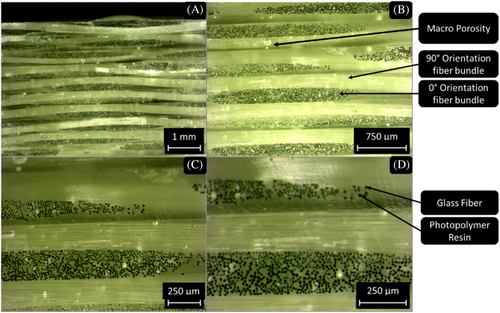
Thermal expansion control is another critical aspect influenced by fillers. RF PCBs often operate in environments with significant temperature variations, which can cause materials to expand or contract. Excessive expansion can lead to mechanical stress, delamination, or misalignment of vias and traces. RF PCB woven glass, a common reinforcement in laminates, helps mitigate this issue by providing structural stability.
Woven glass consists of fine glass fibers arranged in a grid pattern, embedded within the PTFE matrix. This reinforcement limits the material's coefficient of thermal expansion (CTE), aligning it closer to that of copper traces and components. Ceramic fillers also contribute by reducing CTE, as ceramics inherently resist dimensional changes under heat. Standards like IPC-6012E emphasize the importance of matching CTE between laminate and conductive layers to prevent failures during thermal cycling.
Mechanical Strength and Signal Integrity
Beyond electrical and thermal properties, fillers enhance the mechanical strength of RF laminates. RF PCB woven glass adds rigidity, preventing warping or cracking during manufacturing and operation. This is particularly important for multilayer boards where precise alignment is necessary. Ceramic fillers further improve durability by increasing resistance to abrasion and impact.
Signal integrity benefits from these mechanical enhancements. Stable materials reduce the risk of micro-cracks or deformations that could alter signal paths. For high-frequency applications, maintaining a consistent dielectric environment around traces is essential. Fillers ensure that the laminate remains uniform, supporting reliable performance as outlined in standards such as IPC-A-600K for printed board acceptability.
Practical Solutions for Selecting Fillers in RF PCB Design
Choosing the Right Filler for Dielectric Constant Control
When selecting fillers for dielectric constant control, engineers must consider the target frequency range and application requirements. For applications requiring a low Dk, minimal ceramic content may be preferred to keep the value close to that of pure PTFE. Conversely, for designs needing a higher Dk to match specific impedance, a higher proportion of ceramic fillers can be incorporated.
Testing materials against industry benchmarks is recommended. Standards like IPC-4101E provide detailed classifications for laminate materials, including Dk ranges suitable for RF applications. Engineers should also evaluate dissipation factor (Df), which indicates energy loss in the material. A low Df, often achieved with optimized PTFE fillers, ensures minimal signal attenuation.
Balancing Thermal Expansion Control with Material Selection
Achieving thermal expansion control requires a careful balance between filler types and laminate composition. This fast turn PCB woven glass is widely used for its ability to lower CTE, but the weave density and glass type must be specified based on board thickness and layer count. Thicker boards or those with numerous layers may require denser weaves to maintain stability.
Ceramic fillers complement woven glass by further reducing CTE. However, excessive ceramic content can increase material brittleness, so proportions must be optimized. Referencing standards such as IPC-6012E helps in selecting materials with compatible CTE values to copper and other board elements, minimizing stress during thermal excursions.
Manufacturing Considerations for Filler Integration
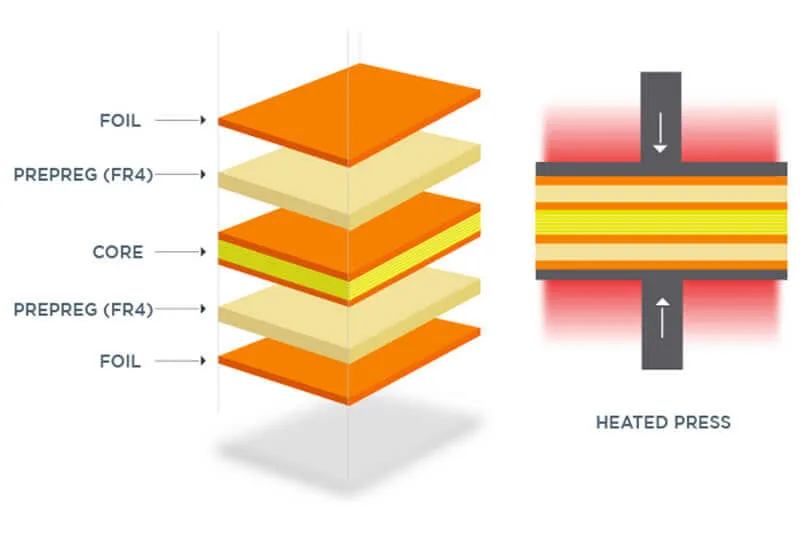
During manufacturing, the integration of fillers into laminates must be uniform to avoid inconsistencies. Non-uniform distribution of RF PCB ceramic fillers can lead to localized variations in Dk, affecting signal performance. Similarly, improper bonding of woven glass can result in weak spots prone to delamination.
Engineers should work within the guidelines of IPC-A-600K to ensure laminate quality. This standard outlines acceptability criteria for material uniformity and structural integrity. Additionally, thermal processing parameters during lamination must be controlled to prevent filler degradation or misalignment of woven structures.
Suggested Reading: RF PCB Design for Beginners: A Complete Introductory Guide
Insight into High-Frequency Performance Optimization
For electrical engineers focusing on high-frequency designs, fillers are not just additives but strategic elements in performance optimization. Consider a scenario involving a multilayer RF PCB for a satellite communication system. The design requires a stable dielectric constant to maintain signal integrity at gigahertz frequencies, alongside minimal thermal expansion to withstand orbital temperature swings.
In such cases, a combination of RF PCB ceramic fillers and woven glass in a PTFE matrix can be tailored to meet these demands. Ceramic content is adjusted to achieve the desired Dk, ensuring impedance consistency across layers. Woven glass reinforcement provides the necessary mechanical and thermal stability, preventing dimensional shifts that could misalign critical RF pathways. Adhering to standards like IPC-4101E during material selection ensures that the laminate performs reliably under the specified conditions.
This approach highlights the synergy between filler types and their impact on overall board performance. By understanding the interplay of dielectric constant control and thermal expansion control, engineers can design RF PCBs that excel in challenging environments.
Conclusion
Fillers are indispensable in enhancing the performance of RF laminate PCB materials. RF PCB ceramic fillers and RF PCB woven glass, when integrated into PTFE-based laminates, provide essential dielectric constant control and thermal expansion control. These properties ensure signal integrity and mechanical reliability in high-frequency applications. By selecting appropriate fillers and adhering to industry standards such as IPC-4101E and IPC-6012E, electrical engineers can optimize designs for demanding conditions. Understanding the technical principles and practical considerations of PTFE fillers empowers professionals to create robust, efficient RF systems that meet modern technological needs.
FAQs
Q1: How do RF PCB ceramic fillers impact dielectric constant control?
A1: RF PCB ceramic fillers are crucial for adjusting the dielectric constant of laminate materials. They increase the Dk value compared to pure PTFE, allowing engineers to tailor impedance for specific frequencies. This control ensures minimal signal loss and consistent performance in high-frequency applications, aligning with standards like IPC-4101E for material specifications.
Q2: Why is RF PCB woven glass important for thermal expansion control?
A2: RF PCB woven glass reinforces laminates, significantly reducing the coefficient of thermal expansion. This stability prevents mechanical stress and misalignment during temperature changes. It ensures compatibility with copper layers, supporting reliable operation in varying conditions as per guidelines in IPC-6012E.
Q3: What role do PTFE fillers play in RF PCB performance?
A3: PTFE fillers, including ceramics, enhance electrical and thermal properties of RF laminates. They aid in dielectric constant control for signal integrity and contribute to thermal stability. Properly balanced fillers improve board durability and performance, making them essential for high-frequency designs under strict industry benchmarks.
Q4: How can engineers ensure effective thermal expansion control in RF PCBs?
A4: Engineers can achieve thermal expansion control by selecting laminates with woven glass and ceramic fillers that match the CTE of other board elements. Following standards like IPC-6012E helps in choosing compatible materials. Thorough testing and precise manufacturing also prevent thermal stress and ensure long-term reliability.
References
IPC-4101E - Specification for Base Materials for Rigid and Multilayer Printed Boards. IPC, 2021.
IPC-6012E - Qualification and Performance Specification for Rigid Printed Boards. IPC, 2020.
IPC-A-600K - Acceptability of Printed Boards. IPC, 2020.