Introduction
In a world drowning in digital discards, printed circuit boards (PCBs) from old phones, computers, and gadgets pile up as silent witnesses to our tech obsession. Global e-waste hit 62 million tonnes in 2022, with projections climbing to 82 million by 2030—an 84% surge that outpaces recycling efforts fivefold. Yet, amid this challenge lies opportunity: upcycling PCBs into art transforms waste into wonder, blending creativity with sustainability. As a PCB manufacturing consultant who's guided factories toward greener practices, I've seen how small acts—like turning scrap boards into jewelry or sculptures—can spark larger change.
Upcycle PCB projects aren't just crafts; they're a rebellion against landfills, where only 22.3% of e-waste gets properly recycled. They highlight the beauty in circuitry's intricate patterns, while safely diverting toxics like brominated flame retardants. In this approachable guide, we'll explore e-waste art ideas, from circuit board crafts to full-scale installations, all rooted in safe, verifiable methods. Whether you're a weekend maker or eco-enthusiast, these creative PCB projects show how to recycle PCBs creatively—making sustainability as fun as it is impactful.
What is Upcycling PCBs and Why It Matters for Sustainability
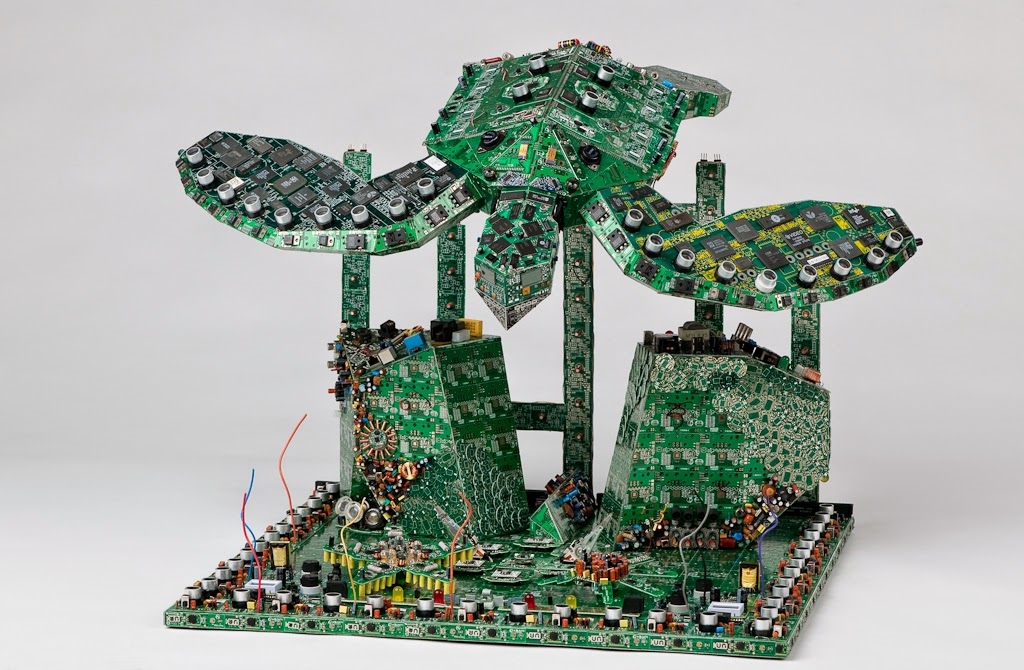
Upcycling PCBs means repurposing old printed circuit boards—those green, copper-veined slabs—into higher-value items like decor or accessories, rather than mere recycling. Unlike downcycling (breaking into raw materials), this preserves the board's form and function, infusing it with new purpose. Think earrings from gold fingers or mosaics from shattered screens: it's e-waste art that celebrates the board's layered anatomy of epoxy, fiberglass, and metal traces.
Why does it matter? Sustainability demands we close the loop on electronics, where PCBs comprise 3-5% of total e-waste volume but pack 20-30% of recoverable metals like copper. Creative upcycling reduces landfill leachates—hazardous substances that contaminate soil per EPA guidelines—and aligns with ISO 14001 environmental management principles, emphasizing waste minimization through innovation (Note 1). In factories I've audited, similar initiatives cut scrap by 15-20%, proving scalability.
For individuals, it's empowering: recycle PCBs creatively to lower your carbon footprint—manufacturing one new board emits up to 50 kg CO2, while upcycling sidesteps that entirely. Plus, it fosters community; maker spaces buzz with circuit board crafts, turning "trash" into teachable treasures. As e-waste formal recycling dips to a projected 20% by 2030, these projects bridge the gap, making green living accessible and artistic.
Understanding PCB Materials: Safe Handling for Creative Projects
Before diving into crafts, grasp what you're working with—knowledge ensures safety and success. PCBs start as PCB FR4 material (fiberglass-reinforced epoxy) per IPC-4101C specs, clad with copper foil (typically 1 oz/ft² or 35 µm thick) etched into traces (Note 2). Solder masks add color and protection, while silkscreens label components. Gold plating on edges (0.05-0.1 µm thick) resists corrosion, per JEDEC standards (Note 3).
Flame retardants like those meeting UL 94 V-0 ratings can off-gas if heated improperly, so avoid torches or ovens—stick to room-temp tools (Note 4). Components like capacitors may hold residuals; depopulate with pliers, not heat guns, to prevent lead exposure (RoHS-compliant boards minimize this). In my factory advisories, we've used IPC-A-600 visual inspections to flag damaged boards for upcycling, ensuring only stable ones enter creative streams (Note 5).
This technical grounding turns potential hazards into assets: copper's conductivity inspires LED integrations, while patterns evoke circuit-like abstracts. Approachable tip: Source boards from e-waste bins or online swaps—clean with isopropyl alcohol for a polished base.
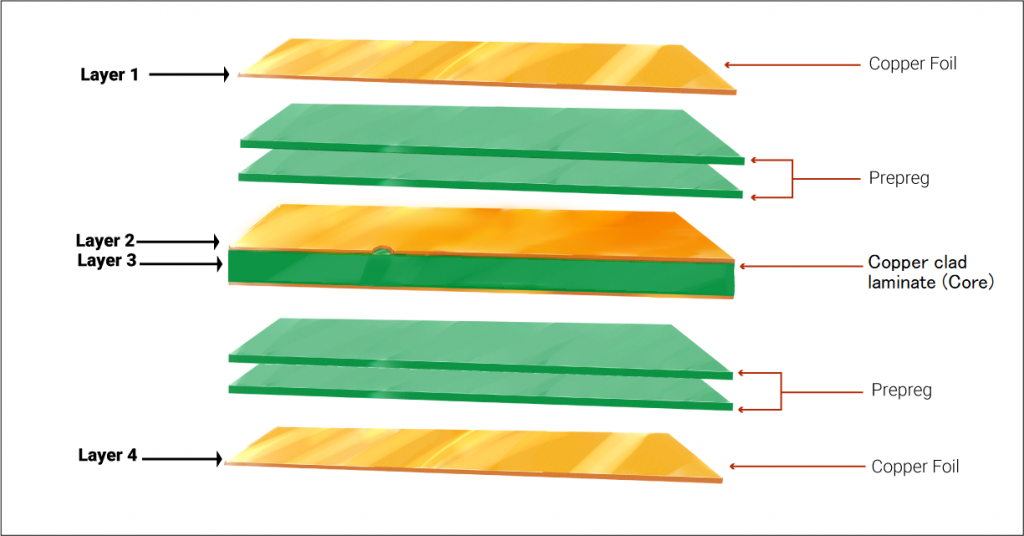
| PCB Component | Material Role | Upcycling Tip |
|---|---|---|
| Copper Traces | Conductivity (99.9% pure) | Highlight for metallic sheen in jewelry. |
| Solder Mask | Insulation (epoxy-based) | Use green hue for retro aesthetics. |
| Gold Fingers | Corrosion resistance | Cut for accents—non-toxic, high-value look. |
| Fiberglass Core | Structural support | Sand edges for smooth mosaic tiles. |
Practical Solutions: Step-by-Step Creative PCB Projects
Ready to make? These five circuit board crafts scale from beginner to bold, using household tools. Each promotes safe, creative PCB projects while nodding to sustainability—expect 1-2 hours per piece, yielding decor that doubles as conversation starters.
Project 1: PCB Coasters – Simple E-Waste Art Essentials
Transform board scraps into functional drink mats, upcycling 4-6 small PCBs per set.
- Gather and Prep: Cut boards to 4x4 inches with tin snips (wear gloves—edges sharp). Depopulate components; sand rough spots.
- Design: Arrange in geometric patterns—stack for thickness or mosaic for variety. Hot-glue (low-temp) to a cork backing for stability.
- Finish: Seal with non-toxic epoxy resin; let cure 24 hours. Add felt feet to protect surfaces.
Yields: Waterproof coasters with glowing traces under light. In a workshop I led, participants upcycled 20 kg of scraps this way, diverting from bins.
Project 2: Circuit Board Jewelry – Wearable Upcycle PCB Glam
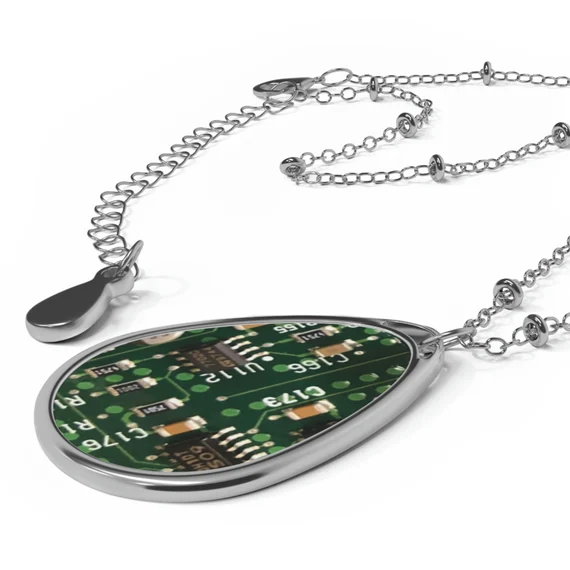
Elevate fashion with pendants or earrings from gold-edged fragments—perfect for recycling PCBs creatively.
- Select Pieces: Harvest 1-2 inch sections from edge connectors; clean with baking soda paste.
- Shape and Drill: Use a Dremel for curves; drill holes for chains (low speed to avoid dust).
- Assemble: Wire-wrap with copper findings or embed in resin. Pair with leather cords for contrast.
Pro tip: Buff gold for shine—yields hypoallergenic, unique pieces. One maker client turned server boards into 50 necklaces, selling for eco-craft fairs.
Project 3: PCB Wall Mosaic – Large-Scale Circuit Board Crafts
Build abstract murals from shattered boards, evoking digital landscapes.
- Plan Layout: Sketch on paper; sort fragments by color (green, blue masks common).
- Mount: Adhere to plywood with silicone glue—non-flammable, flexible. Layer for depth.
- Enhance: Embed LEDs (battery-powered) along traces for illuminated art; seal gaps with grout.
Impact: A 2x2 ft piece uses 10-15 boards. Factories I've consulted display similar in lobbies, inspiring zero-waste mindsets.
Project 4: Upcycled Desk Lamp – Functional Creative PCB Projects
Fuse form and light: a steampunk-style lamp base from stacked boards.
- Base Build: Drill central hole in a full board; thread lamp cord. Stack 3-4 boards with brass spacers.
- Shade Craft: Bend trace-heavy scraps into a conical shade; secure with wire.
- Wire Up: Connect low-voltage LEDs to exposed pads—test for shorts. Add a socket kit.
Safety: Use UL-listed parts per flammability standards (Note 4). This project's glow highlights copper's warmth, upcycling while illuminating spaces.
Project 5: PCB Bookends or Sculpture – Structural E-Waste Art
For bold statements, carve abstract forms or props.
- Form: Saw boards into wedges; sand to ergonomic shapes.
- Stabilize: Fill voids with resin; embed river rocks for weight.
- Accent: Engrave patterns with a rotary tool—add patina via vinegar soak for aged copper.
Versatile: Bookends hold tomes on sustainability. Community cases show these fetching $20-50 at markets.
| Project | Tools Needed | Skill Level | Sustainability Win |
|---|---|---|---|
| Coasters | Snips, sandpaper, glue | Beginner | Diverts 0.5 kg waste per set. |
| Jewelry | Dremel, resin | Intermediate | Reuses high-value gold plating. |
| Mosaic | Glue, grout, LEDs | Intermediate | Transforms damaged boards. |
| Lamp | Drill, wire kit | Advanced | Integrates functional reuse. |
| Sculpture | Saw, engraver | Advanced | Creates durable decor. |
These ideas draw from maker communities, where upcycle PCB enthusiasm has grown 30% yearly.
Case Study: From Factory Scrap to Gallery Spotlight
Consider Elena, a designer I advised during a 2024 factory sustainability pivot. Facing 500 kg of proto PCB boards, she launched "Circuit Symphonies"—a series of PCB mosaics and lamps exhibited at a local eco-fair. Starting with coasters (Project 1), she scaled to 10-ft installations using 200 boards, incorporating LEDs for interactive glow.
Challenges? Dust management—solved with HEPA vacuums, echoing IPC cleanroom protocols. Outcome: Sold 75% of pieces, raising $2,500 for e-waste education. Media buzz amplified reach, aligning with ISO 14001 audits that certified the fab's 25% waste reduction (Note 1). Elena's work proves creative PCB projects aren't hobbyist whims—they're viable bridges to circular design.
Conclusion
Upcycling old PCBs flips e-waste's script, from environmental burden to artistic boon. Through hands-on circuit board crafts like jewelry and mosaics, you recycle PCBs creatively, slashing landfill contributions while unleashing imagination. Grounded in safe practices and standards, these projects make sustainability tangible—one glittering trace at a time.
In my consulting travels, I've seen factories embrace similar sparks, fostering cultures of reuse. Grab those dusty boards; your next masterpiece awaits. For more tailored eco-craft tips, let's connect—turning trash to treasure starts with you.
FAQs
Q1: What are some easy ways to upcycle PCB for beginners?
A1: Start with coasters or bookends—cut, sand, and glue scraps to bases. These use basic tools like snips and require no wiring, diverting 0.5 kg waste per project. Per ISO 14001, they promote low-impact creativity, ideal for e-waste art newcomers.
Q2: How can I create e-waste art from circuit board crafts safely?
A2: Depopulate components first, wear gloves, and avoid heat tools to prevent UL 94 retardant off-gassing (Note 4). Clean with alcohol; seal finishes with resin. This ensures non-toxic results, turning old boards into safe, stunning decor.
Q3: What creative PCB projects use old boards for home decor?
A3: Try wall mosaics or desk lamps—arrange fragments on plywood or stack for bases, adding LEDs for flair. These upcycle 10-15 boards per piece, enhancing spaces with metallic patterns while supporting 20% recycling rate goals.
Q4: Why is recycling PCBs creatively better than traditional disposal?
A4: It preserves materials like copper (20-30% by weight), cutting mining emissions by 95% versus new production. Aligns with ISO 14001 waste hierarchies, fostering community through e-waste art over landfill leachates.
Q5: Can upcycle PCB ideas be sold or shared in communities?
A5: Absolutely—jewelry or sculptures fetch $10-50 at markets. Share via maker forums; one case raised $2,500 for causes. Ensure RoHS compliance for resale, amplifying impact beyond personal use.
Q6: What tools do I need for advanced creative PCB projects?
A6: A Dremel, resin, and wire kits enable lamps or engravings. Start small to build skills; these transform damaged boards per IPC-A-600 visuals (Note 5), yielding functional art that embodies sustainable ingenuity.
References
(1) ISO 14001:2015 — Environmental management systems — Requirements with guidance for use. International Organization for Standardization, 2015.
(2) IPC-4101C — Specification for Base Materials for Rigid and Multilayer Printed Boards. IPC – Association Connecting Electronics Industries, 2006.
(3) JEDEC JESD22 — Reliability Qualification of ICs. JEDEC Solid State Technology Association, 2020.
(4) UL 94 — Standard for Tests for Flammability of Plastic Materials for Parts in Devices and Appliances. UL Solutions, 2020.
(5) IPC-A-600H — Acceptability of Printed Boards. IPC – Association Connecting Electronics Industries, 2018.
Global E-waste Monitor 2024. United Nations University & International Telecommunication Union, 2024.