What is UL 796 and Its Importance for PCB Safety?
If you're involved in the design, manufacturing, or procurement of Printed Circuit Boards (PCBs), the term UL 796 is likely familiar. But what exactly does the UL 796 standard entail for PCBs, and why is it so significant? In essence, UL 796 is a safety standard developed by Underwriters Laboratories (UL) that delineates the requirements and testing methodologies to certify that PCBs are secure and dependable for various applications. This guide will clarify everything you need to know about UL 796, from PCB safety certification requirements to intricate testing procedures, enabling you to navigate this crucial aspect of electronics manufacturing with assurance.
Whether you're an engineer, a product manager, or a business owner, comprehending UL 796 is vital for ensuring your products comply with industry safety benchmarks and perform consistently in the market. This standard specifically applies to printed wiring boards, which serve as the fundamental structure for the majority of electronic devices. Established by Underwriters Laboratories, a globally respected organization for safety evaluation and certification, UL 796 sets the definitive benchmark for assessing the safety and operational integrity of PCBs. It ensures that PCBs can endure diverse environmental and operational stresses without posing risks such as fire hazards, electrical malfunctions, or material degradation.
Why Does UL 796 Certification Matter?
For manufacturers, achieving UL 796 certification demonstrates an unwavering commitment to quality and safety, thereby fostering confidence among customers and regulatory bodies. For engineers, it offers a clear framework for designing boards that adhere to rigorous safety mandates. For end-users, it guarantees that their electronic products are built upon secure and reliable components. In sectors such as automotive, medical, and consumer electronics, where safety is non-negotiable, UL 796 compliance is frequently a mandatory prerequisite for market entry, particularly in regions like North America.
Key advantages of UL 796 Certification include:
● Safety Assurance: Mitigates risks associated with electrical fires, short circuits, and other potential failures.
● Market Access: Many industries and geographical regions mandate UL certification for product approval.
● Quality Validation: Communicates to customers that your types of PCBs meet elevated safety and performance criteria.
● Regulatory Compliance: Facilitates adherence to legal and industry-specific safety directives.
Understanding the Core Principles of the UL 796 Standard
The UL 796 standard primarily focuses on the materials, construction methods, and overall performance of PCBs to ensure their safety under both normal and abnormal operating conditions. It encompasses both rigid and flexible printed wiring boards utilized across a broad spectrum of applications. The standard meticulously evaluates factors such as flammability, thermal endurance, electrical insulation characteristics, and mechanical robustness to ascertain a PCB's capacity to safely meet the demands of its intended use.
Key Aspects Evaluated by UL 796
A central component of UL 796 is the classification of PCBs based on their flammability rating, which is intrinsically linked to the materials used in the board’s construction, including the laminate and solder mask. For example, a prevalent flammability rating under UL 796 is 94V-0. This designation signifies that the material self-extinguishes within 10 seconds after being exposed to an open flame and does not produce flaming drips. Such a rating is critically important for applications where fire safety is a paramount concern.
UL 796 addresses several key areas:
● Material Safety: Verifies that PCB materials resist ignition and limit flame propagation.
● Electrical Performance: Conducts tests on insulation resistance and dielectric strength to prevent short circuits or electrical breakdowns.
● Thermal Stability: Assesses the board’s ability to withstand elevated temperatures without exhibiting degradation.
● Mechanical Durability: Evaluates the board’s resilience to physical stress encountered during assembly and subsequent use.
By comprehensively addressing these domains, UL 796 establishes a robust framework for guaranteeing that PCBs are safe and dependable across diverse operating conditions.
What Are the PCB Safety Certification Requirements Under UL 796?
Achieving UL 796 certification for your PCBs necessitates meeting a stringent set of requirements. These requirements are specifically designed to validate the safety and reliability of the board throughout its entire lifecycle, from the manufacturing stage to its final application. Below, we outline the primary PCB safety certification requirements under UL 796 to provide a clear understanding of the process.
Detailed Certification Criteria
1. Material Selection and Compliance: The materials employed in PCB manufacturing must conform to specific safety benchmarks. This includes the substrate (e.g., FR-4, a widely used glass-reinforced epoxy laminate), copper cladding, and protective coatings. Materials undergo rigorous testing for flammability, toxicity, and thermal endurance. For instance, FR-4 materials typically need to achieve a 94V-0 flammability rating, meaning they must resist sustained burning for a specified duration under test conditions.
2. Design and Construction Standards: The PCB's design must adhere to guidelines crafted to minimize safety risks. This includes maintaining adequate spacing between conductive traces to prevent electrical arcing (typically a minimum of 0.25 mm for low-voltage applications, though this dimension varies based on specific voltage levels), ensuring proper insulation, and utilizing appropriate trace widths to safely manage current loads. For example, a trace carrying 1 ampere of current might require a minimum width of 0.5 mm on a standard 1 oz copper layer to prevent overheating.
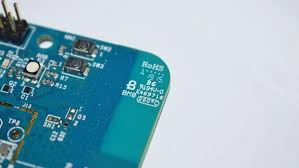
3. Marking and Documentation: Certified PCBs are required to prominently display the UL Recognized Component Mark, along with specific identifiers such as the manufacturer’s name and UL file number. Furthermore, comprehensive documentation must be supplied to trace all materials and processes utilized during manufacturing, thereby ensuring full transparency and accountability.
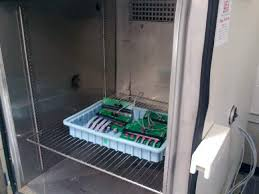
4. Environmental and Operational Testing: PCBs must undergo a series of tests that simulate real-world operating conditions. This includes exposure to high humidity (up to 85% relative humidity), extreme temperatures (often ranging from -40°C to 85°C), and electrical stress (such as applying voltages up to 500V or more to rigorously test insulation integrity). These tests confirm the board's continued functionality and safety under demanding environmental conditions.
What to Expect During UL 796 Testing Procedures?
The testing protocols for UL 796 certification are rigorous and systematic, meticulously designed to assess every facet of a PCB’s safety and performance. A clear understanding of these UL 796 testing procedures can significantly assist manufacturers in preparing their products for certification and avoiding costly delays. Here’s a detailed overview of the key tests involved.
Key Tests for UL 796 Certification
1. Flammability Testing: This test evaluates the resistance of PCB materials to ignition and flame propagation. A small flame is applied to a material sample for a set duration (typically 10 seconds), and its response is closely observed. For a 94V-0 rating, the material must cease burning within 10 seconds after the flame source is removed and must not produce flaming particles. This test is critical for ensuring the board will not contribute to fire hazards within electronic devices.
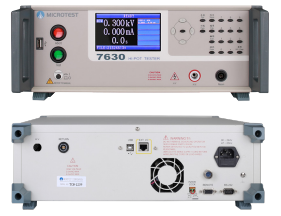
2. Dielectric Strength Testing: This measures the PCB’s capacity to withstand high voltages without experiencing electrical breakdown. During this test, a significant voltage (often exceeding 1000V) is applied across the insulation layers for a specified period (typically 60 seconds). If no breakdown occurs, the board successfully passes the test. This verifies the PCB’s ability to tolerate voltage spikes without structural failure.
3. Thermal Aging Testing: Thermal aging tests subject the PCB to elevated temperatures (often 105°C or higher) for extended durations (up to 7 days or more) to simulate long-term operational use. The board’s physical and electrical characteristics are measured both before and after this exposure to detect any degradation. For instance, a board might need to demonstrate a loss of less than 5% in its insulation resistance to pass, confirming its long-term reliability.
4. Mechanical Stress Testing: This test assesses the PCB’s durability when subjected to physical stresses, such as bending or vibration. For flexible PCBs, a bending test might involve repeatedly folding the board thousands of times (e.g., 10,000 cycles) to ensure it does not crack or lose electrical conductivity. For rigid boards, vibration tests simulate conditions in automotive or industrial applications, verifying that components remain securely attached.
5. Environmental Stress Testing: Environmental tests expose the PCB to challenging conditions like high humidity, salt spray (to evaluate corrosion resistance), and thermal cycling. A typical thermal cycling test might alternate between -40°C and 85°C for 100 cycles to check for cracking or delamination. These tests confirm the board’s ability to operate safely and reliably in harsh environments.
How to Efficiently Prepare for UL 796 Certification
Navigating the UL 796 certification process can appear formidable, but with strategic preparation, it becomes entirely manageable. Here are actionable steps to ensure your PCBs are fully ready for testing and subsequent certification.
Practical Steps for Certification Readiness
1. Select Compliant Materials: Collaborate with trusted suppliers who can provide materials with documented UL ratings. Verify that all laminates, solder masks, and other crucial components meet the necessary flammability and thermal endurance standards prior to commencing production.
2. Design with Safety Foremost: Integrate safety features into your PCB design from its inception. This includes meticulous trace spacing, robust insulation, and effective thermal management features such as heat sinks or strategically placed vias to dissipate heat. Utilize design software to simulate potential stress points and confirm adherence to UL guidelines.
3. Partner with a Certified Manufacturer: Establish a partnership with a manufacturing firm that possesses proven experience in producing UL-certified PCBs. Such a partner can provide expert guidance throughout the entire process, from material selection to final testing, ensuring every step aligns with UL 796 requirements.
4. Conduct Pre-Testing: Before officially submitting your PCBs for formal UL testing, conduct internal or third-party pre-testing. This proactive step can save considerable time and financial resources by identifying and resolving potential issues, such as inadequate insulation or flammability risks, at an early stage.
5. Maintain Comprehensive Records: Keep meticulous documentation of all materials used, precise design specifications, and detailed manufacturing processes. This is essential for traceability and will likely be required during the certification process to demonstrate unwavering compliance.
Why UL 796 Certification Provides a Strategic Business Advantage
Achieving UL 796 certification extends beyond mere regulatory compliance; it represents a significant strategic business advantage. It effectively positions your products as safe and highly reliable in the perception of customers, granting you a distinct competitive edge in industries where trust is paramount. Whether you are targeting the medical sector, where equipment failure can have life-threatening repercussions, or the consumer electronics market, where safety recalls can severely damage brand reputation, UL 796 certification unequivocally demonstrates your commitment to quality.
Moreover, certification can unlock opportunities in international markets. Many regions globally recognize UL standards as a definitive benchmark for safety, which simplifies the process of gaining regulatory approval and expanding your business on a global scale. In essence, investing in UL 796 certification is a prudent investment in your brand’s credibility and its long-term success.
Conclusion: Confidently Navigating UL 796 in PCB Manufacturing
A thorough understanding of the UL 796 standard for PCBs is an indispensable step for anyone involved in the electronics manufacturing industry. From fulfilling PCB safety certification requirements to effectively managing UL 796 testing procedures, this guide has covered the fundamental aspects necessary to ensure your products are safe, reliable, and ready for market. By prioritizing compliant materials, thoughtful design, and meticulous preparation, you can streamline the certification process and strategically position your business for sustained success.