Introduction
Industrial printed circuit boards serve as the backbone of modern electronics in demanding environments. From renewable energy systems to automation controls, these boards ensure reliability under harsh conditions. This guide provides a comprehensive look into industrial PCB design, manufacturing, and assembly. It offers insights from design to assembly, focusing on applications in renewable energy and automation. Whether you're an electrical engineer or a procurement specialist, understanding these processes is vital for optimizing performance and durability. The following sections break down the technical principles, best practices, and practical solutions for creating robust industrial PCBs that meet stringent industry needs.
What Are Industrial PCBs and Why They Matter
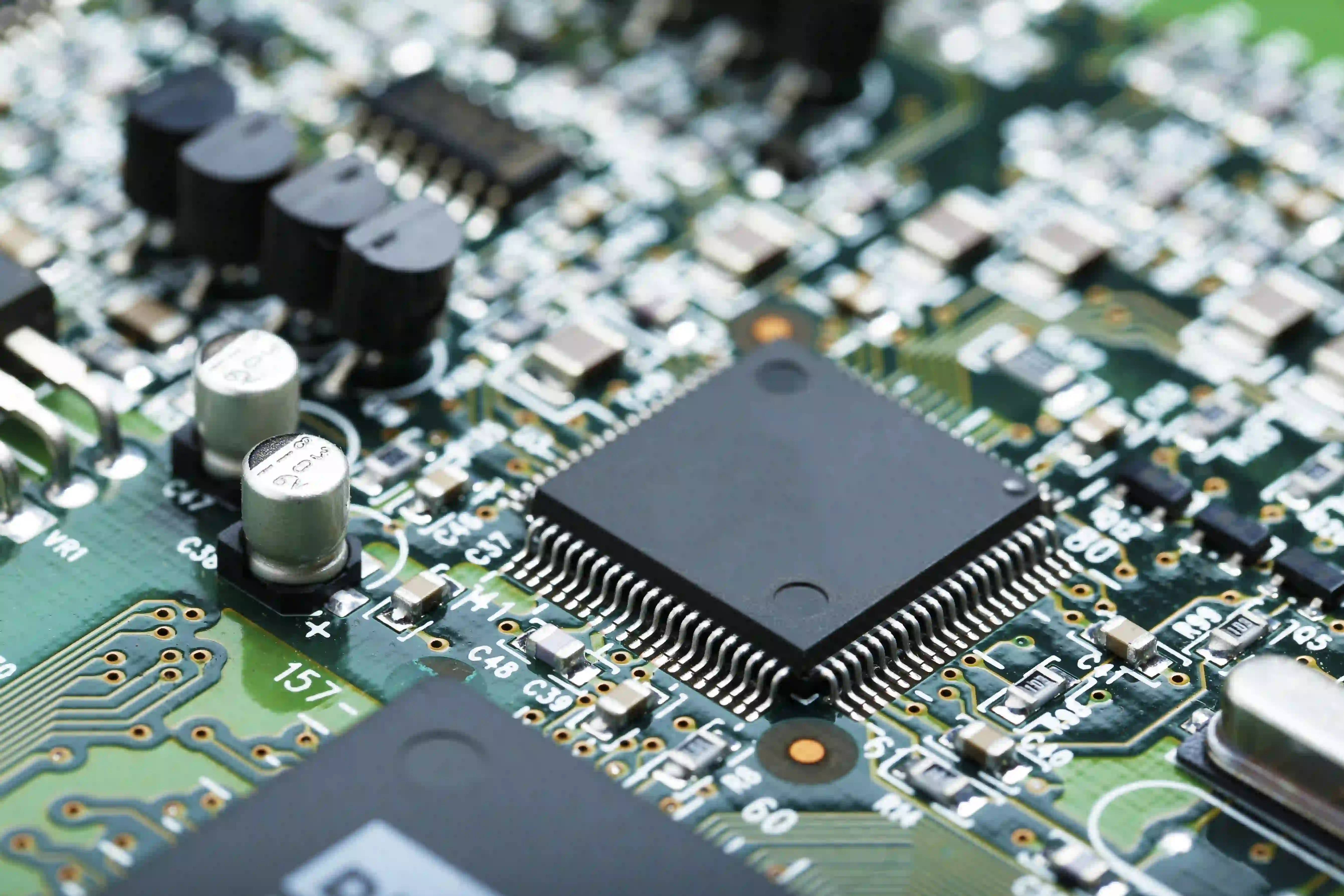
Industrial PCBs are specialized circuit boards engineered for applications requiring high reliability and resilience. Unlike consumer-grade boards, they operate in extreme temperatures, humidity, and vibration. They are integral to sectors like renewable energy, where they manage power conversion in solar inverters, and automation, where they control robotic systems in factories. Their importance lies in ensuring uninterrupted operation, minimizing downtime, and meeting safety standards. Failure in these environments can lead to significant losses. Thus, designing and assembling industrial PCBs with precision directly impacts system efficiency and longevity, especially in critical applications.
Technical Principles of Industrial PCB Design
Material Selection for Harsh Environments
Industrial PCBs require materials that withstand thermal and mechanical stress. High glass transition temperature laminates are often chosen to prevent deformation under heat. Copper thickness also plays a role in current carrying capacity and thermal dissipation. Standards such as IPC-6012E provide guidelines for material performance and qualification in rigid boards. Selecting the right substrate and copper weight ensures the board endures environmental challenges without compromising electrical integrity.
Layer Stackup and Signal Integrity
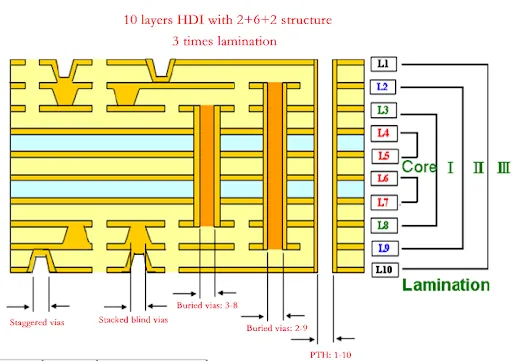
Proper layer stackup is crucial for maintaining signal integrity in industrial PCBs. Multiple layers help separate power, ground, and signal planes to reduce electromagnetic interference. This is especially important in automation systems where precise control signals are transmitted. Engineers must balance impedance control with board thickness to avoid signal loss. Adhering to design rules outlined in IPC-2221B for generic PCB design ensures reliable performance under high frequency operations.
Thermal Management Strategies
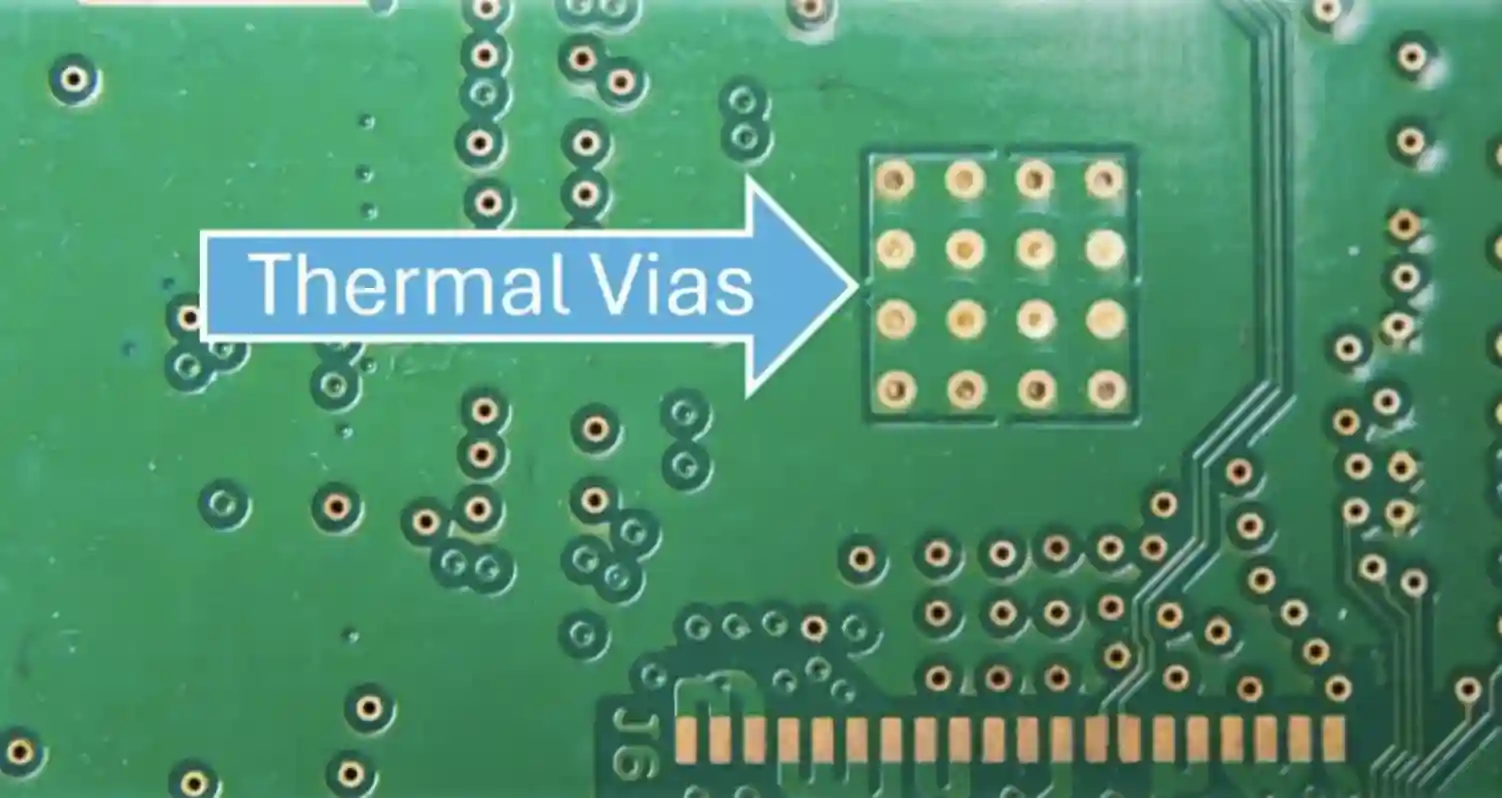
Heat dissipation is a primary concern in industrial applications. Components in renewable energy systems, like power inverters, generate significant heat. Designers incorporate thermal vias and heat sinks to transfer heat away from critical areas. Copper planes can also act as heat spreaders. Following guidelines in IPC-2152 for current carrying capacity and thermal relief helps prevent overheating. Effective thermal management extends the lifespan of the PCB in demanding conditions.
Manufacturing Standards for Industrial PCBs
Compliance with Industry Standards
Manufacturing industrial PCBs demands strict adherence to recognized standards. IPC-6012E specifies performance criteria for rigid boards, ensuring they meet mechanical and electrical requirements. Similarly, IPC-A-600K outlines acceptability criteria for visual and structural quality. These standards guide manufacturers in producing boards that resist delamination, cracking, and other defects common in harsh environments. Compliance is non negotiable for applications in renewable energy and automation, where reliability is paramount.
Fabrication Challenges and Solutions
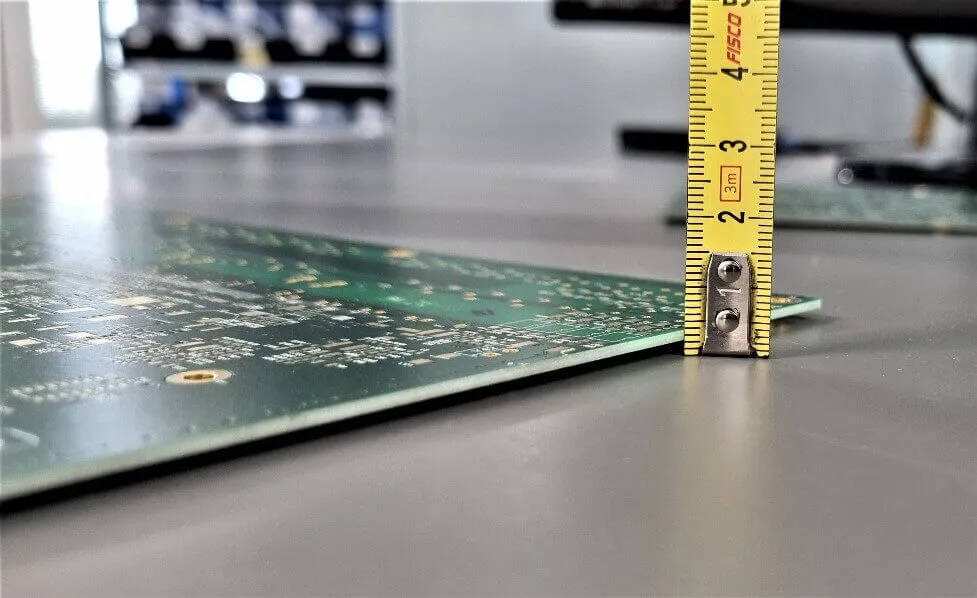
Fabricating industrial PCBs involves managing tight tolerances and complex designs. Issues like warpage can occur due to uneven copper distribution or thermal stress during lamination. Manufacturers mitigate this by balancing copper layers and using controlled cooling processes. Testing for warpage and flatness, as per IPC-TM-650, helps identify defects early. Precision in drilling and plating also ensures via reliability, critical for the multilayer circuit board used in industrial settings.
Assembly Techniques for Industrial PCBs
Surface Mount Technology for Precision
Surface mount technology is widely used in assembling industrial PCBs due to its precision and efficiency. Components are placed directly onto the board surface, allowing for compact designs essential in automation controllers. Solder paste application must be uniform to avoid defects like tombstoning. Following IPC-J-STD-001H for soldered electrical assemblies ensures consistent quality. Automated pick and place machines enhance accuracy, especially for high density layouts.
Through Hole Assembly for Durability
Through hole PCB assembly remains relevant for industrial PCBs requiring mechanical strength. Components with leads are inserted through drilled holes and soldered, providing robust connections. This method is often used in renewable energy applications where connectors face vibration. Wave soldering, guided by IPC-J-STD-001H, ensures reliable joints. Engineers must inspect for cold solder joints to prevent failures in critical systems.
Quality Control in Assembly
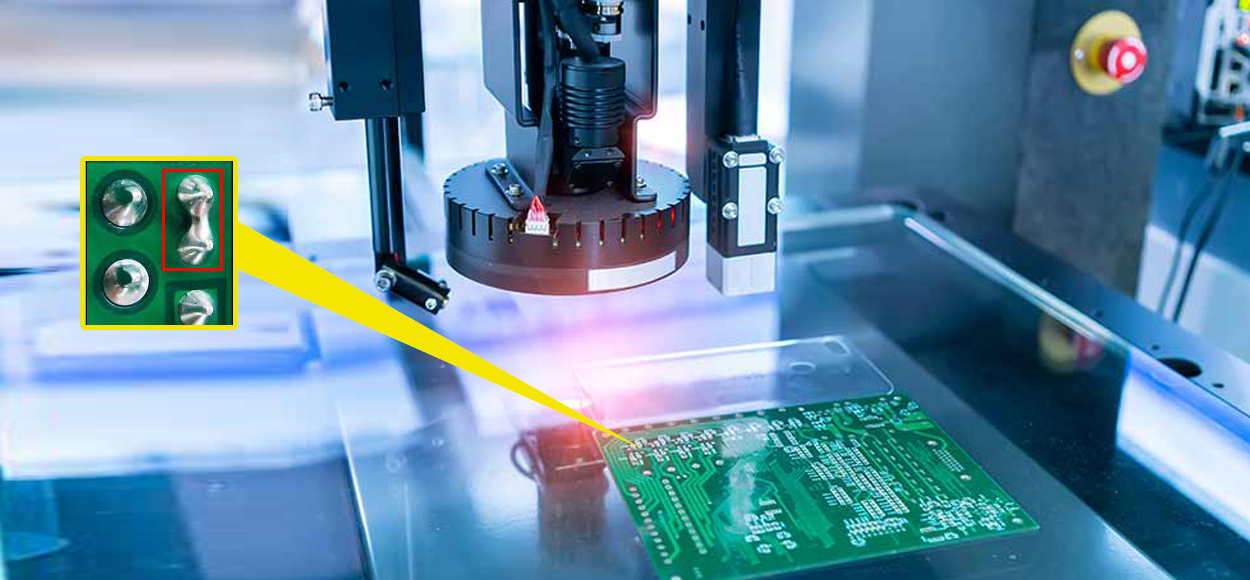
Post assembly inspection is vital to detect issues like misalignment or insufficient solder. Automated optical inspection systems check for component placement accuracy. X ray inspection reveals hidden defects in solder joints, especially for ball grid array components. Adhering to IPC-A-610H for acceptability of electronic assemblies guarantees that the final product meets industry expectations. Thorough testing under simulated conditions verifies performance in real world applications.
Best Practices for Industrial PCB Design and Assembly
Design for Manufacturability
Designing with manufacturability in mind reduces production errors. Engineers should minimize via sizes and avoid acute angles in traces to prevent etching issues. Providing clear documentation, including stackup details and material specifications, aligns design with fabrication capabilities. Following IPC-2221B for design standards ensures compatibility with manufacturing processes, reducing rework and delays in projects for renewable energy or automation.
Environmental Testing for Reliability
Industrial PCBs must undergo rigorous environmental testing. Thermal cycling, as per IPC-TM-650, assesses durability under temperature fluctuations. Humidity testing evaluates resistance to moisture, critical for outdoor renewable energy installations. Vibration testing simulates conditions in automation machinery. These tests confirm that the PCB can operate without failure in its intended environment, adhering to performance benchmarks in IPC-6012E.
Component Selection for Longevity
Choosing components with extended lifespans is essential for industrial applications. Engineers prioritize parts with wide operating temperature ranges and low failure rates. Capacitors and resistors must be rated for high voltage and current in power systems. JEDEC J-STD-020E provides classification for moisture and reflow sensitivity, guiding component selection for assembly. Proper derating practices further enhance reliability under stress.
Insights for Renewable Energy and Automation Applications
Renewable Energy Systems
In renewable energy, industrial PCBs manage power conversion and storage. Solar inverters and wind turbine controllers rely on boards with high current capacity and thermal stability. Multilayer designs accommodate complex circuitry while maintaining compactness. Engineers must account for outdoor exposure, incorporating conformal coatings for moisture protection. Standards like IPC-6012E ensure boards withstand environmental stressors, supporting efficient energy harvesting and distribution.
Automation and Control Systems
Automation systems demand PCBs with precise signal control and real time responsiveness. Industrial controllers and sensors require low noise designs to prevent data errors. Shielding and ground planes reduce interference, crucial for robotic operations. High reliability is achieved by following IPC-A-610H during assembly, ensuring connections remain stable under vibration. Tailored designs optimize performance in manufacturing and logistics environments.
Conclusion
Industrial PCBs are critical to the success of renewable energy and automation applications. From careful design considerations to stringent manufacturing and assembly processes, every step impacts performance and reliability. Adhering to established standards ensures these boards meet the demands of harsh environments. By applying best practices in material selection, thermal management, and environmental testing, engineers can create robust solutions. This guide offers actionable insights from design to assembly, empowering professionals to build durable and efficient industrial PCBs for modern challenges.
FAQs
Q1: What are the key design considerations for industrial PCBs in renewable energy?
A1: Industrial PCBs for renewable energy must prioritize thermal management and environmental resistance. High power components in solar inverters generate heat, requiring thermal vias and heat sinks. Materials with high thermal stability, as per IPC-6012E, prevent deformation. Conformal coatings protect against moisture in outdoor setups. Engineers must also ensure high current capacity through proper copper thickness to maintain efficiency in energy conversion systems. Answered by: Alex Chen – PCB Design Expert
Q2: How does automation benefit from industrial PCB assembly techniques?
A2: Automation systems gain from precise industrial PCB assembly techniques like surface mount technology. This allows compact, high density layouts for controllers and sensors. Following IPC-J-STD-001H ensures reliable solder joints, vital for real time control. Through hole assembly adds durability for connectors under vibration. Thorough inspection using automated optical systems catches defects early, ensuring consistent operation in robotic and manufacturing environments. Answered by: Grace Li – Assembly Engineer
Q3: Why are industry standards important for industrial PCB manufacturing?
A3: Industry standards provide a benchmark for quality and reliability in industrial PCB manufacturing. Specifications like IPC-6012E and IPC-A-600K define performance and acceptability criteria, ensuring boards withstand harsh conditions. Compliance prevents defects such as delamination or warpage, common in demanding applications. Standards guide processes from material selection to final testing, critical for consistent output in sectors like renewable energy and automation. Answered by: Sophia Wang – Manufacturing Specialist
Q4: What testing methods ensure industrial PCB reliability in harsh environments?
A4: Testing methods like thermal cycling, humidity exposure, and vibration analysis ensure industrial PCB reliability. Thermal cycling, per IPC-TM-650, checks durability under temperature changes. Humidity tests assess moisture resistance, crucial for outdoor use. Vibration testing replicates automation machinery conditions. These evaluations confirm the board's performance under stress, aligning with IPC-6012E standards to guarantee longevity in challenging renewable energy and industrial settings. Answered by: Sophia Wang – Manufacturing Specialist
References
IPC-6012E — Qualification and Performance Specification for Rigid Printed Boards. IPC, 2020.
IPC-A-600K — Acceptability of Printed Boards. IPC, 2020.
IPC-2221B — Generic Standard on Printed Board Design. IPC, 2012.
IPC-2152 — Standard for Determining Current Carrying Capacity in Printed Board Design. IPC, 2009.
IPC-J-STD-001H — Requirements for Soldered Electrical and Electronic Assemblies. IPC, 2021.
IPC-A-610H — Acceptability of Electronic Assemblies. IPC, 2021.
IPC-TM-650 — Test Methods Manual. IPC, Current Version.
JEDEC J-STD-020E — Moisture/Reflow Sensitivity Classification for Nonhermetic Surface Mount Devices. JEDEC, 2014.