Introduction
PCB etching forms a core step in printed circuit board manufacturing, selectively removing excess copper to reveal circuit traces. Engineers often handle this process in labs or small-scale production, exposing themselves to aggressive chemicals like ferric chloride and cupric chloride solutions. These etchants deliver precise results but carry significant risks, including skin corrosion, respiratory irritation, and environmental hazards if mismanaged. Prioritizing PCB etching safety precautions safeguards health, maintains workflow efficiency, and aligns with factory protocols. This guide equips electric engineers with factory-driven insights on handling PCB etchants, essential safety gear, disposal methods, and burn prevention strategies. By integrating these practices, you ensure compliance with industry benchmarks while minimizing downtime from incidents.
What Is PCB Etching and Why Safety Matters
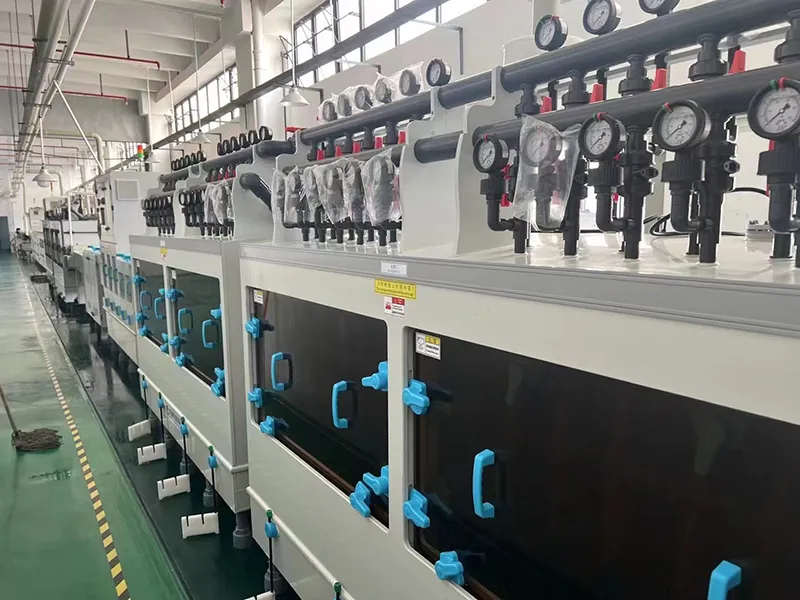
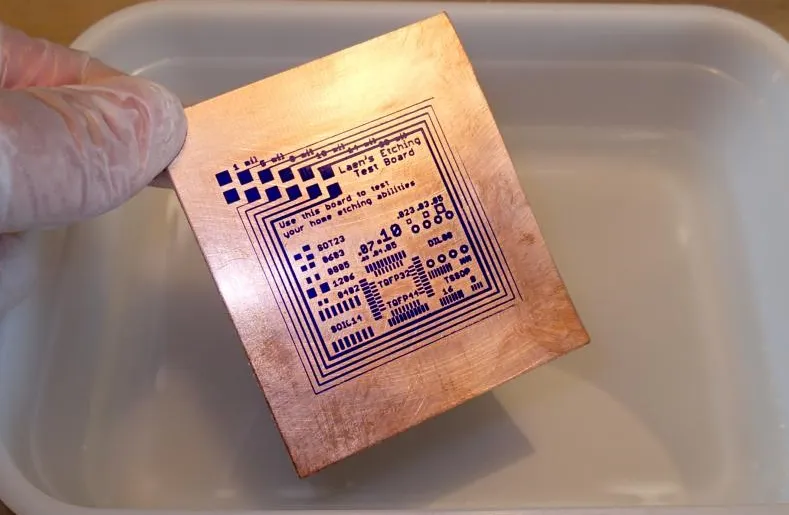
PCB etching involves immersing copper-clad boards in chemical solutions that dissolve unprotected metal, typically after applying a resist mask via imaging or printing. Common etchants operate at elevated temperatures to accelerate the reaction, generating heat, fumes, and metal-laden waste. In manufacturing environments, poor safety leads to chemical burns, inhalation injuries, or spills contaminating workspaces. Electric engineers must recognize these risks, as even brief exposure can cause long-term health effects or regulatory violations. Factory-driven approaches emphasize proactive measures, reducing incident rates and supporting consistent quality output. Ultimately, robust PCB etching safety precautions protect personnel, equipment, and the production line.
Understanding the Hazards of PCB Etchants
Ferric chloride, a staple etchant, presents as a dark solution that aggressively attacks copper but also corrodes skin and eyes on contact. Its vapors irritate mucous membranes, potentially leading to respiratory distress in confined spaces. Cupric chloride and persulfate-based alternatives share similar corrosiveness, with added risks from hydrogen chloride gas evolution during reactions. Spent solutions accumulate dissolved copper, classifying them as heavy metal hazards that demand careful handling to prevent ecological damage. Engineers should review material safety data sheets for each etchant to grasp concentration-specific dangers, such as faster etching rates at 40-42% ferric chloride increasing spill volatility. Awareness of these mechanisms underpins effective risk mitigation in factory settings.
Essential Safety Gear for PCB Etching
Safety gear for PCB etching starts with chemical-resistant gloves made from nitrile or PVC, which resist penetration better than latex during prolonged exposure. Full-face shields or goggles provide barrier protection against splashes, paired with respirators fitted with acid gas cartridges for fume-heavy operations. Aprons or lab coats fabricated from impermeable materials shield clothing and skin, while closed-toe shoes prevent foot injuries from drops. In factory protocols, donning this ensemble before handling PCB etchants forms the first defense layer. Regular inspection ensures gear integrity, as degraded items compromise protection. Equipping properly aligns with quality management systems like ISO 9001:2015, fostering disciplined workflows.
PCB Etching Safety Precautions During Handling
Always conduct etching in a fume hood or under local exhaust ventilation to capture rising vapors and maintain air quality below exposure limits. Use secondary containment trays under etching tanks to capture spills, minimizing spread during transfers. Pre-measure etchants in dedicated glass or plastic vessels compatible with corrosives, avoiding metal containers that react. Monitor solution temperature with non-contact thermometers, as overheating accelerates fume production and instability. Train on emergency shutdowns, including power isolation for bubblers or heaters. These handling PCB etchants practices, rooted in factory standards, prevent cumulative exposures over shifts.
Proper Disposing of PCB Chemicals
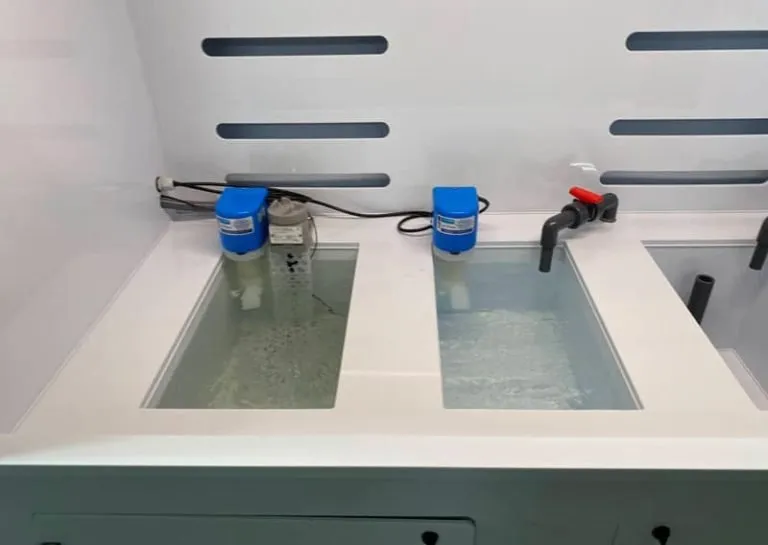
Disposing of PCB chemicals requires neutralization to render solutions less hazardous before professional collection. Add baking soda gradually to acidic etchants until pH stabilizes near neutral, precipitating copper sludge for filtration. Segregate waste streams, labeling containers clearly for hazardous transport. Never pour residues down drains, as copper ions persist and bioaccumulate in waterways. Factories coordinate with certified waste handlers adhering to environmental regulations, documenting volumes for audits. Implementing these steps ensures compliance and averts fines, transforming disposal into a controlled process.
Preventing Chemical Burns in PCB Etching
Preventing chemical burns PCB begins with immediate access to eyewash stations and safety showers for 15-minute rinses using copious water. Train on the "stop, drop, and rinse" protocol for skin contact, removing contaminated gear before flushing. Maintain spill kits stocked with absorbents tailored to etchants, neutralizing agents, and disposal bags nearby. Conduct pre-shift checks on workstations to eliminate clutter that could cause slips leading to splashes. Post-incident reviews refine procedures, emphasizing root causes like fatigue. Factory insights highlight that layered defenses, from gear to training, drastically cut burn incidents.
Best Practices and Standards Compliance
Integrate PCB etching into controlled environments meeting IPC-6012E requirements for rigid board qualification, where process parameters include safe chemical management. Regular audits verify ventilation efficacy and PPE usage, logging deviations for corrective action. Automate where feasible, such as agitation systems with overflow safeguards, reducing manual handling. Cross-train personnel on multiple etchants to build versatility without compromising safety. Adhering to IPC-A-600K acceptability criteria extends to clean post-etch processing, free from residue hazards. These standard-aligned practices elevate factory operations, ensuring traceability and reliability.
Conclusion
Mastering PCB etching safety transforms a high-risk process into a reliable manufacturing pillar for electric engineers. From donning comprehensive safety gear to meticulous disposal, each precaution layers protection against etchants' inherent dangers. Factory-driven protocols, backed by standards like ISO 9001:2015, minimize burns, exposures, and waste issues. Commit to these habits for sustained health, productivity, and quality. Equip your workspace today, and etch with confidence.
FAQs
Q1: What safety gear is essential for PCB etching?
A1: Safety gear for PCB etching includes nitrile or PVC gloves, full-face shields, acid gas respirators, impermeable aprons, and closed-toe shoes. These items form a barrier against splashes and fumes from etchants like ferric chloride. Factories mandate full ensembles to comply with handling protocols, inspecting gear routinely for integrity. This setup prevents most contact injuries during routine operations.
Q2: What are key PCB etching safety precautions?
A2: Key PCB etching safety precautions involve using fume hoods, secondary containment, and compatible vessels for transfers. Monitor temperatures to avoid boil-overs, and maintain emergency stations nearby. Segregate chemicals to prevent reactions, training all handlers on spill responses. These measures ensure safe workflows in engineering environments.
Q3: How should you dispose of PCB chemicals safely?
A3: Disposing of PCB chemicals starts with neutralizing spent etchants to neutral pH using agents like baking soda, then filtering solids. Store in labeled hazardous containers for certified disposal services, never drains. Document processes for regulatory compliance. Factory methods prioritize environmental protection alongside efficiency.
Q4: How can you prevent chemical burns during PCB etching?
A4: Preventing chemical burns PCB relies on PPE, immediate rinsing with water for 15 minutes, and spill kits deployment. Position eyewash and showers accessibly, conducting drills regularly. Workstation organization reduces slip risks from spills. Proactive training embeds these habits for incident-free etching.
References
[IPC-6012E — Qualification and Performance Specification for Rigid Printed Boards. IPC, 2017]
[IPC-A-600K — Acceptability of Printed Boards. IPC, 2020]
[ISO 9001:2015 — Quality Management Systems. ISO, 2015]