Current transformers are widely used in power systems. In power plants, current transformers measure motor output current and monitor operating conditions. In substations, they are used to measure energy consumption and to control switchgear operations. On transmission lines, current transformers measure line current and support relay protection. They are also applied in industrial automation, transportation, and building systems.
The wiring method for current transformers is critical to proper system operation. Single-phase and three-phase CT arrangements have different characteristics and must be chosen based on the specific application. Safe operating procedures must be followed to protect personnel and equipment. The following summarizes several CT wiring schemes for reference by electrical engineers.
01. Single CT for a Single-Phase Circuit
A single current transformer used for a single-phase circuit is suitable when only single-phase current and single-phase power need to be measured, and for protection against single-phase-to-ground faults.
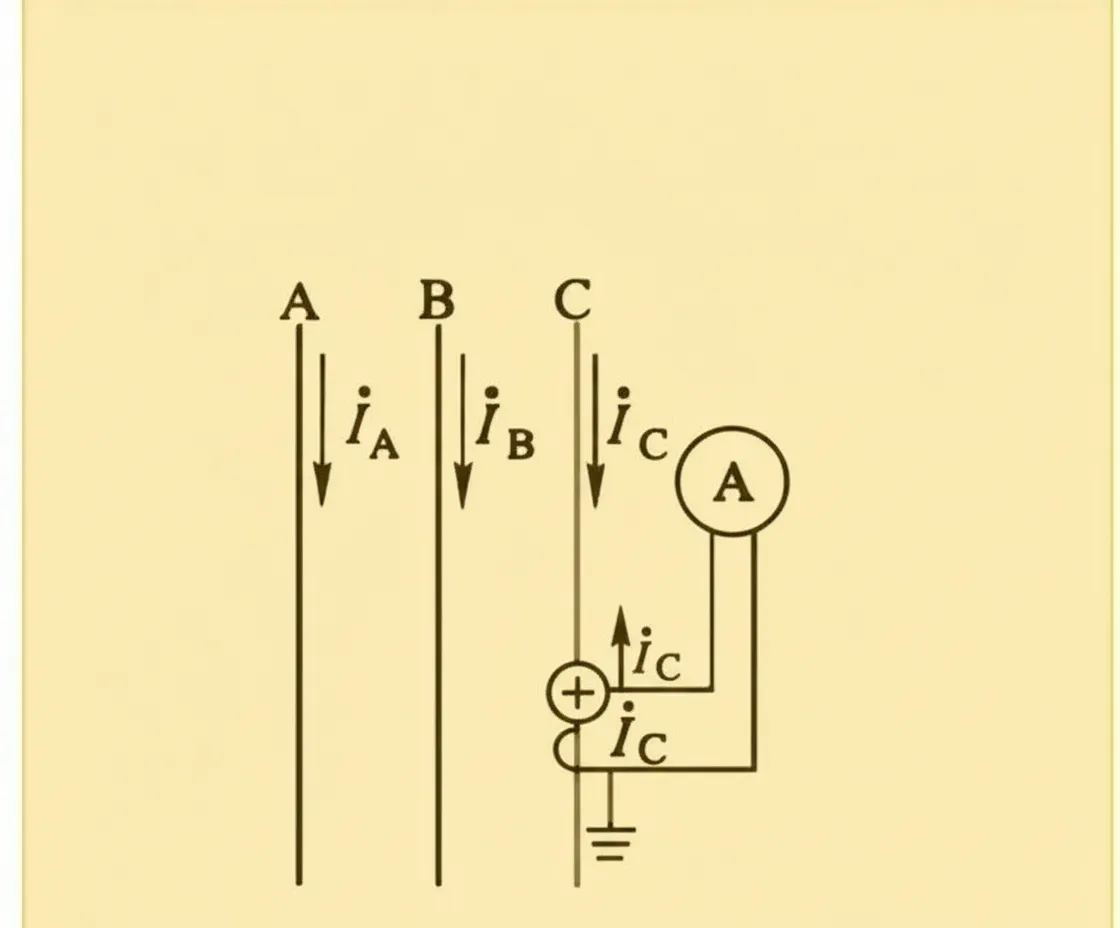
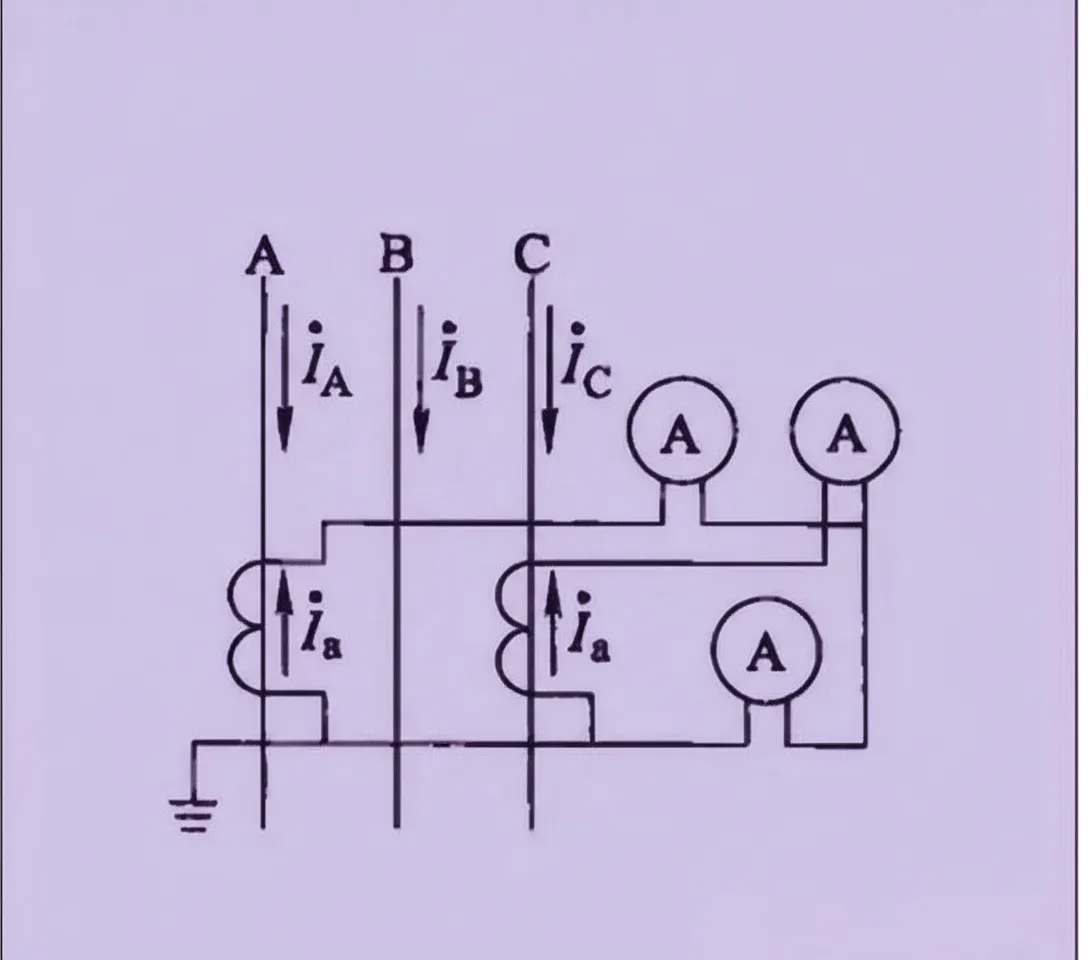
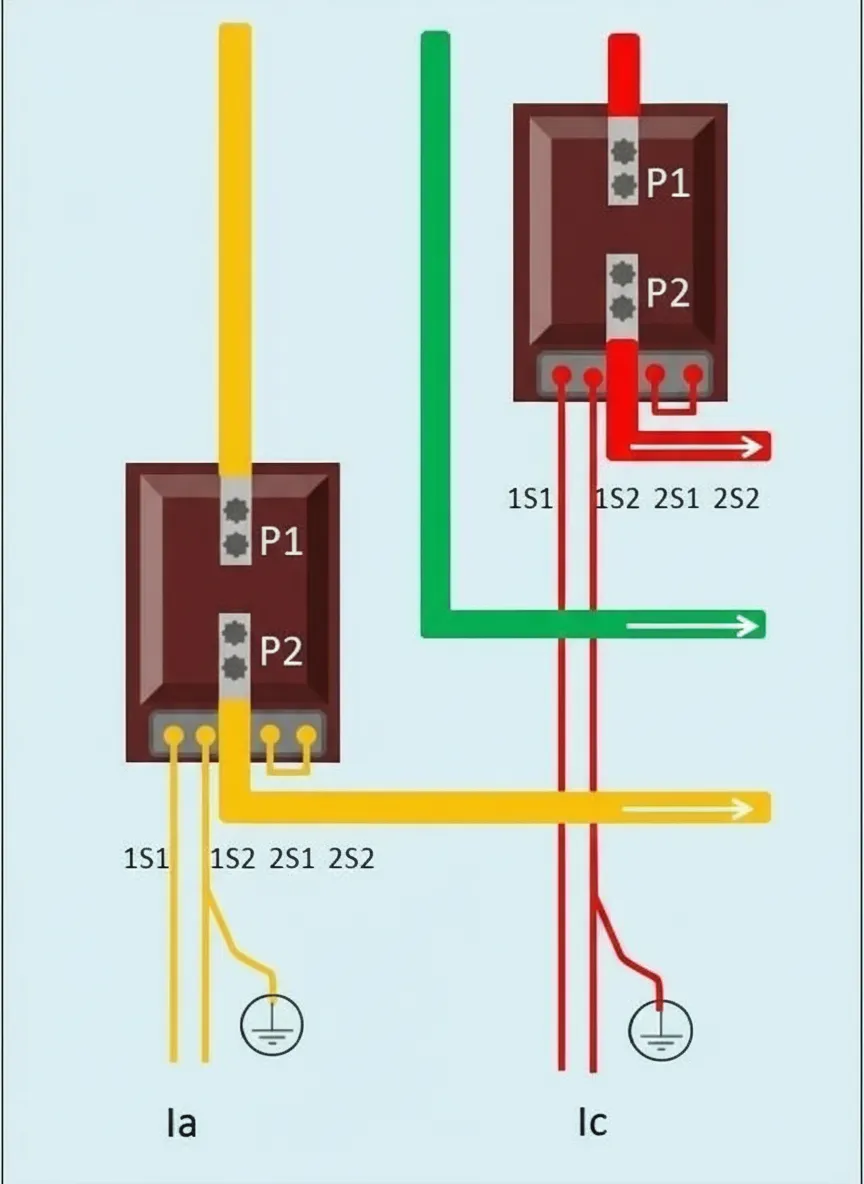
02. Two CTs in an Incomplete Star Connection
Two CTs wired in an incomplete star configuration are suitable for measuring three-phase current and three-phase power, and for protection against phase-to-phase short circuits.
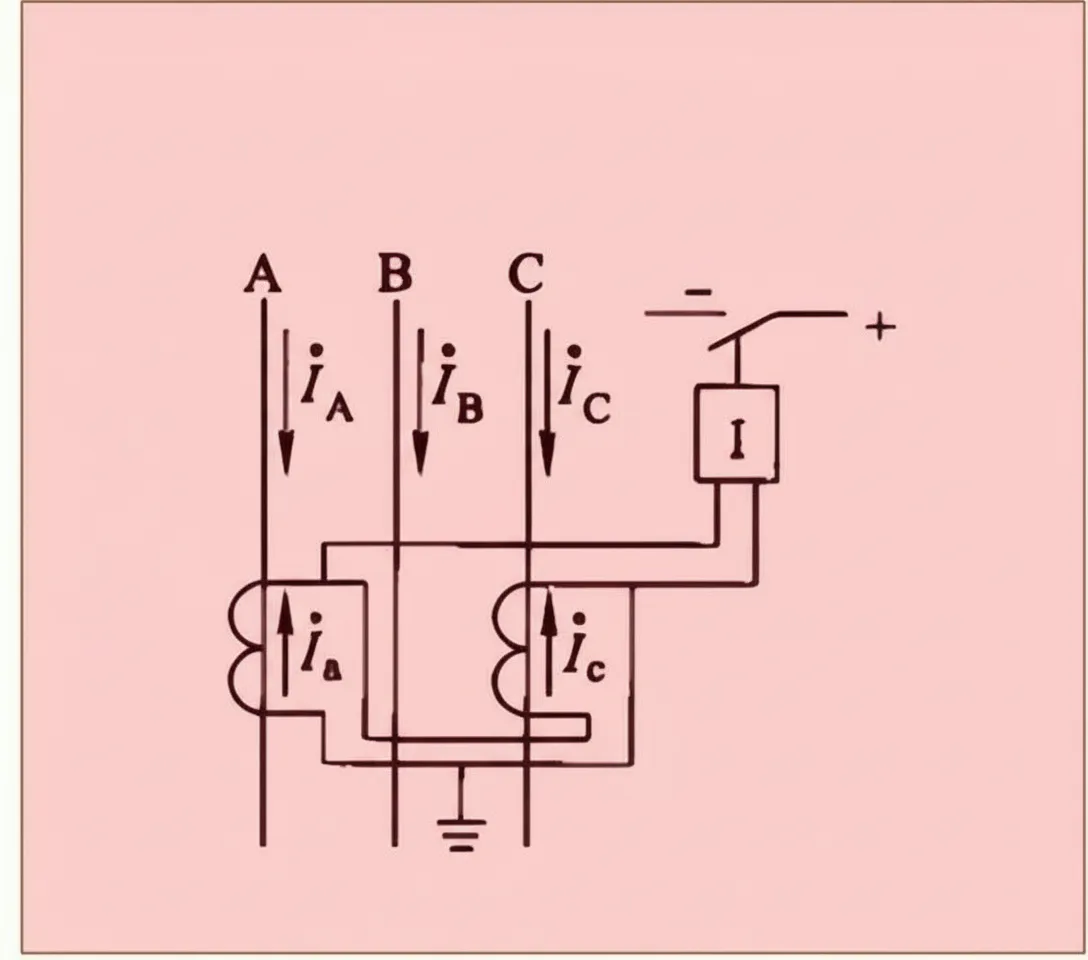
03. Two CTs in Differential Connection
A differential connection with two CTs measures the difference between two phase currents. This arrangement is suitable for measuring single-phase current and for protection against phase-to-phase short circuits.
04. Three CTs in Star Connection
Three CTs in a star connection are suitable for three-phase four-wire systems for measuring current and power. This configuration can provide protection for faults of any form.
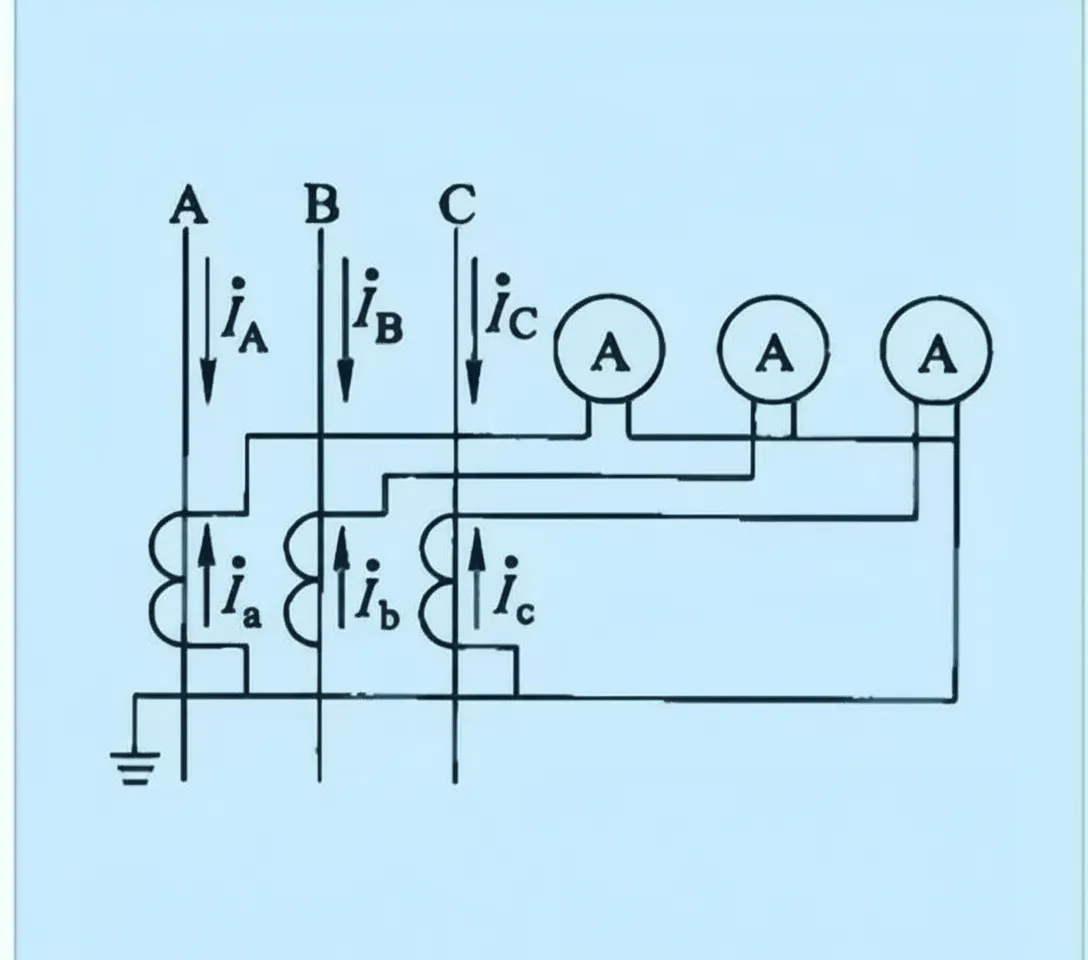
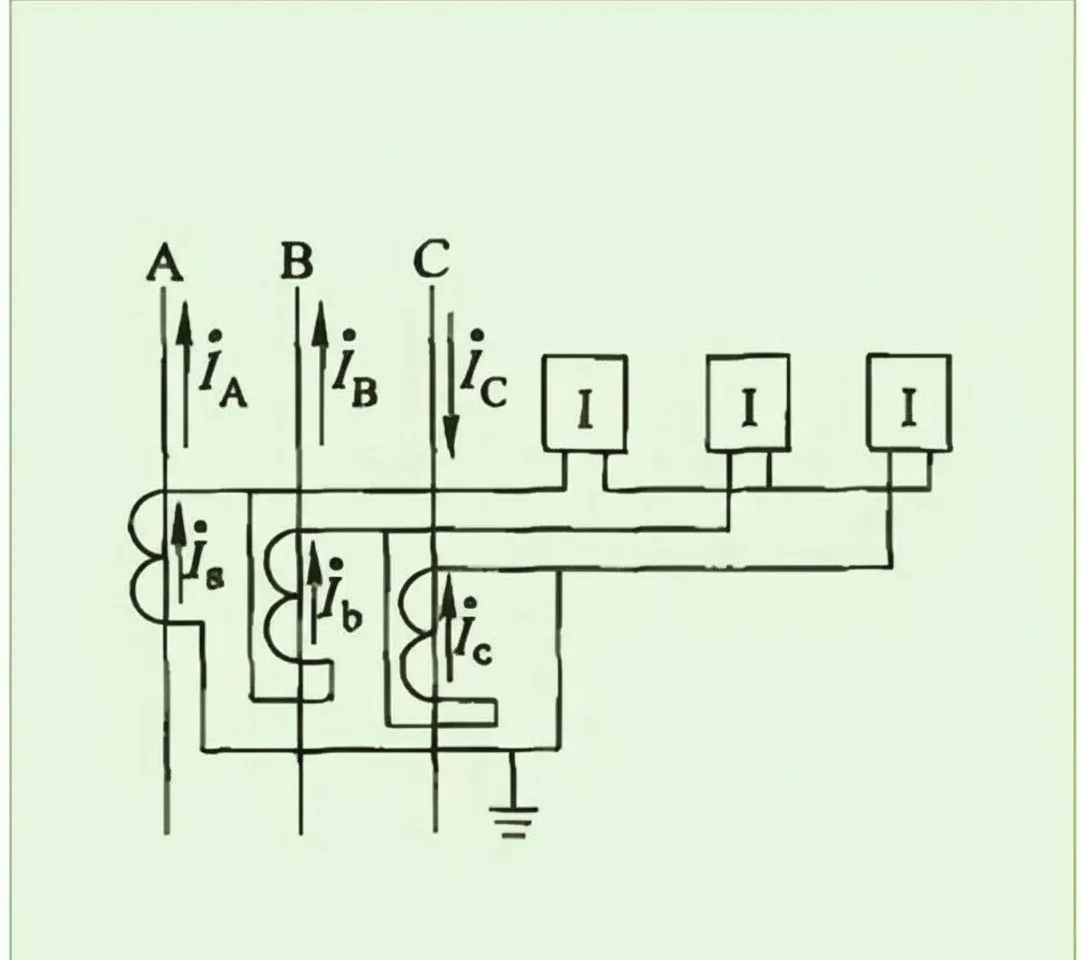
05. Three CTs in Delta Connection
Three CTs in a delta connection are used together with three current relays to protect against various short-circuit faults.
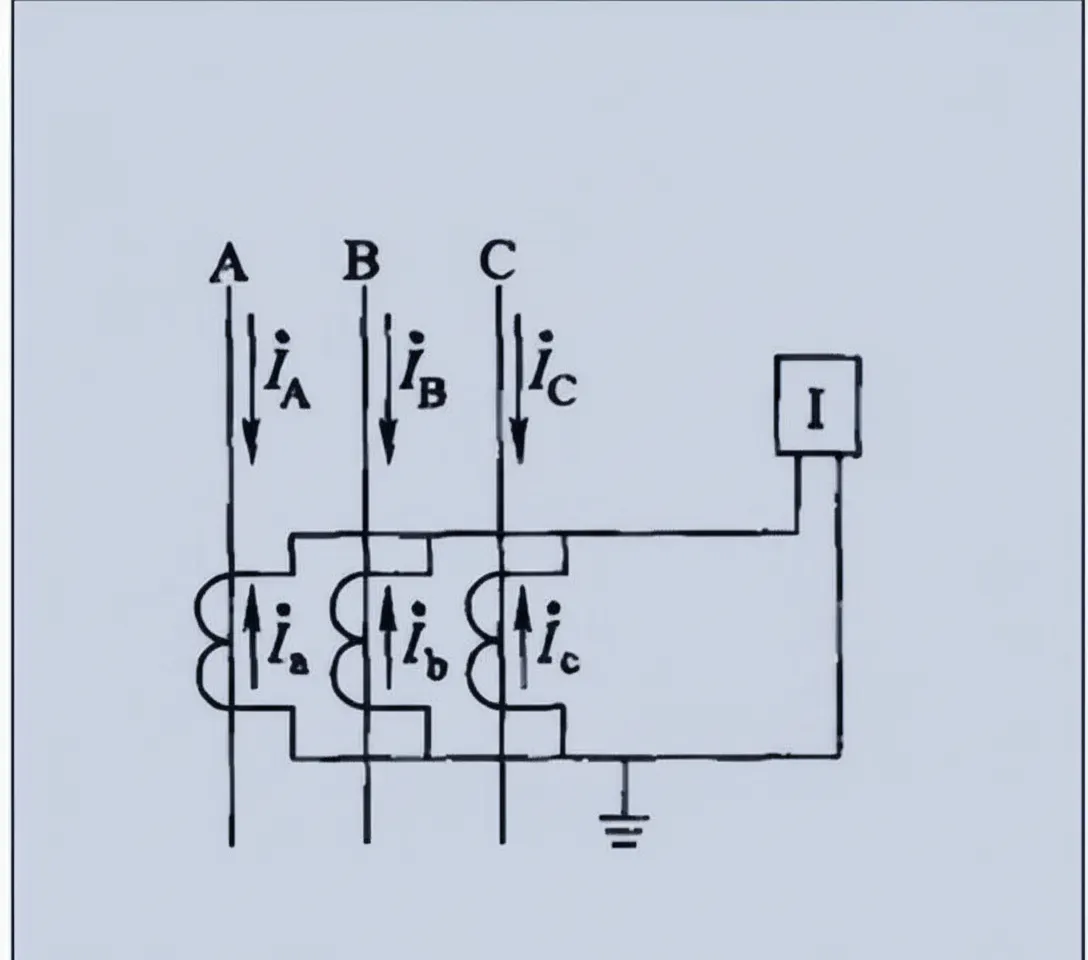
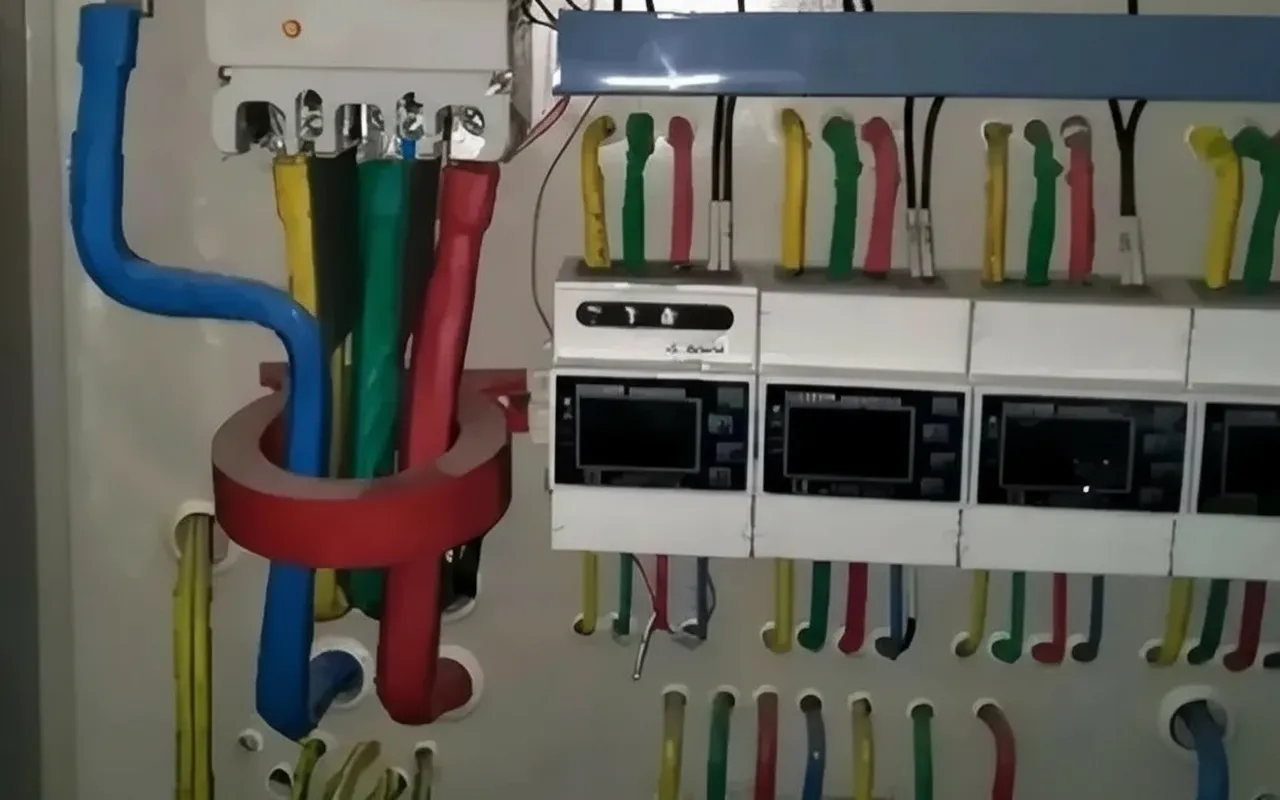
06. Three CTs for Zero-Sequence Protection
Three CTs arranged for zero-sequence protection are used for ground-fault protection based on zero-sequence currents. The preferred method to measure zero-sequence current is to use a dedicated zero-sequence current transformer.