Introduction
A switch-mode power supply (SMPS) is a common power delivery method in modern electronic equipment. It offers high efficiency, compact size, and good regulation, and is widely used across many products. For beginners, designing and debugging an SMPS can be challenging. This article outlines a step-by-step approach to designing and commissioning an SMPS.
1. Understand the basic principles of SMPS
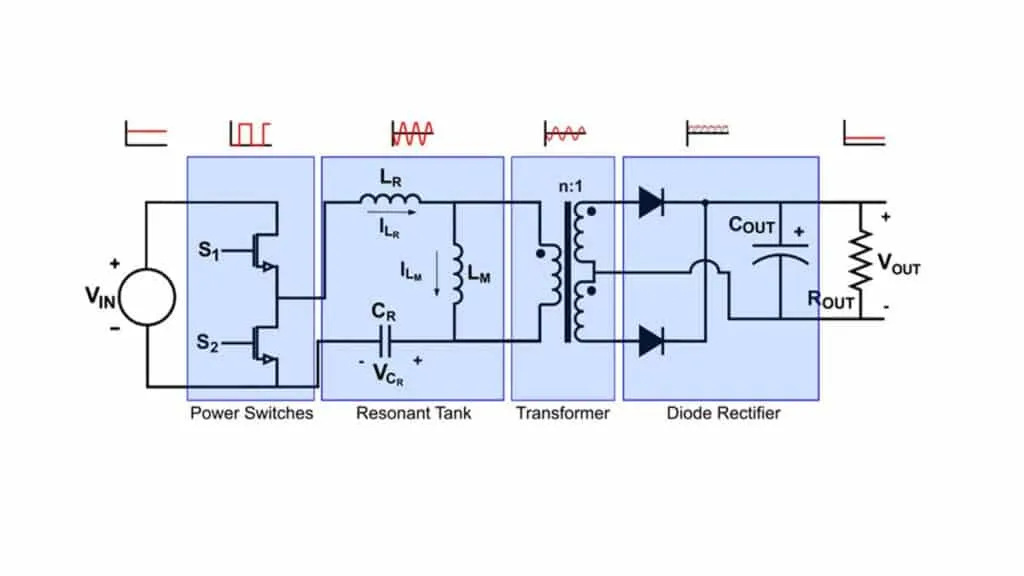
Before starting the design, first understand the basic operating principles. An SMPS uses the switching action of a transistor to regulate the input and produce the required output voltage and current. Core sections include input filtering, rectification, conversion stage, and output filtering. Beginners should study the relevant theory to gain a clear understanding of how the supply operates.
2. Select appropriate components
Component selection is critical for performance and stability. Choose the switching transistor, transformer or inductor, capacitors, and inductors that match the power level and topology. Also select a suitable control IC and protection circuits to ensure reliability and safety.
3. Circuit design and simulation
After selecting components, create the schematic and perform simulation analysis. Use circuit simulation tools to verify performance and stability. Simulation helps identify and resolve problems early, improving design efficiency and accuracy.
4. PCB layout and routing
Once the schematic and simulations are validated, proceed to PCB layout and routing. Proper layout minimizes electromagnetic interference and noise, improving immunity and stability. Pay attention to layout rules and best practices for power electronics, such as minimizing loop areas for high-current paths and maintaining good grounding.
5. Prototype testing and debugging
After PCB fabrication, perform bench testing and validation. Verify operating conditions and key performance parameters. During testing, issues may arise that require iterative debugging and optimization. Identify root causes and implement fixes to ensure correct operation.
6. Document and share lessons learned
After completing the design and debugging, document the process and lessons learned. This helps consolidate understanding of design and debugging techniques and serves as a reference for future projects. Sharing findings with peers supports knowledge exchange and continuous improvement.
Following these steps enables gradual mastery of SMPS design and debugging, leading to reliable and well-performing power supplies.