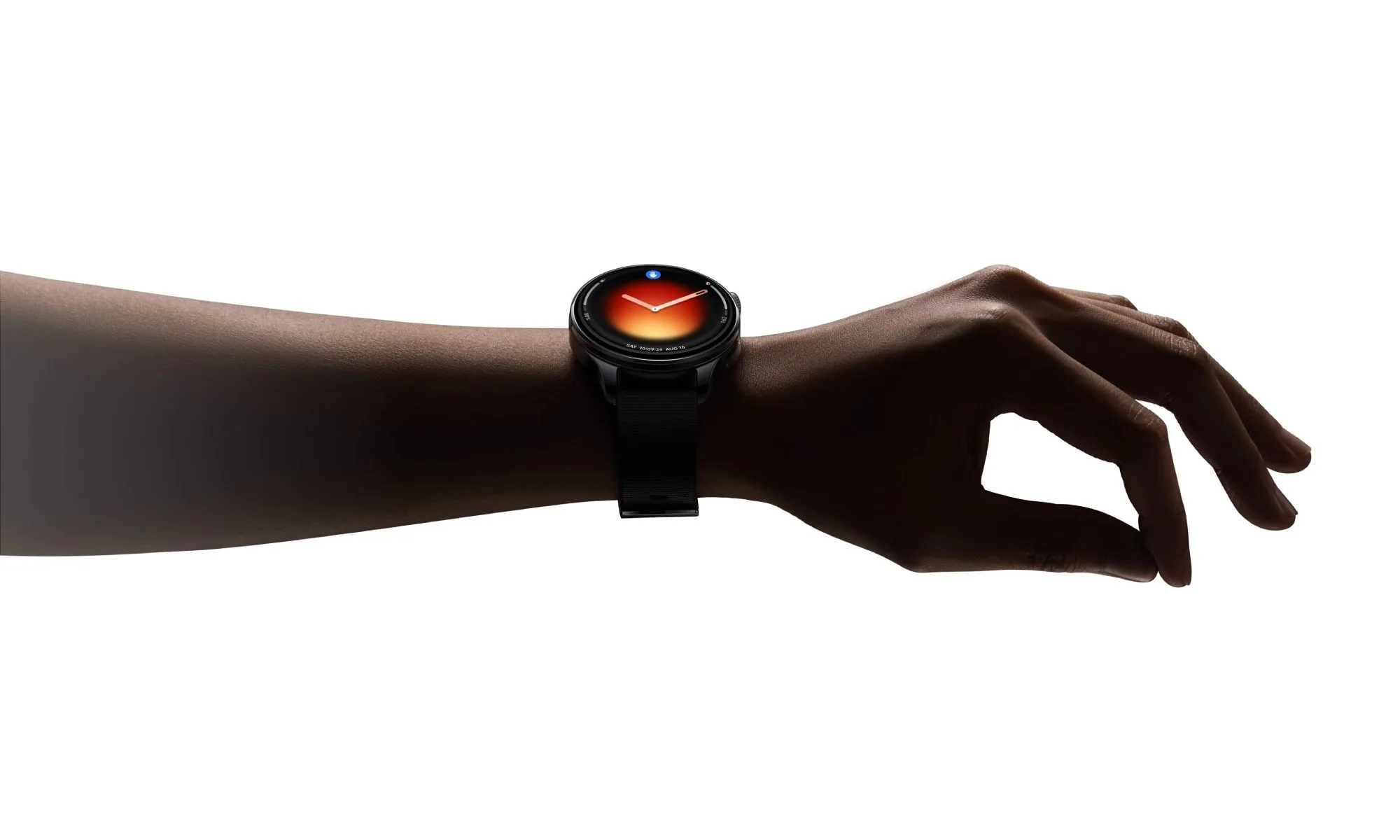
Overview
Smart bands are among the most commonly purchased consumer wearable products after VR headsets because of their low cost and higher penetration compared with smartwatches and other expensive smart hardware. Smart bands can be divided into models with heart rate monitoring and models without. This article focuses on the heart rate sensor technologies used in smart bands and the implications for measurement accuracy.
Technical categories
From a technical perspective, heart rate sensing in wearables can be divided into two main types. The first type is PPG photoplethysmography.
PPG: Photoplethysmography principle
In simple terms, PPG is a reflection-based optical method. It uses the pulsatile change in blood optical transmission to produce an electrical signal at a photodetector. That signal is then converted into heart rate by firmware or software algorithms.
When light of a certain wavelength illuminates the skin surface, it is transmitted or reflected to the photodetector. During this path, absorption by skin, muscle, and blood attenuates the detected light intensity. Absorption by skin and muscle tissue remains essentially constant over the cardiac cycle, while blood volume in the tissue varies pulsatilely under cardiac action. When the heart contracts, peripheral blood volume is at its maximum, producing the greatest light absorption and thus the lowest detected light intensity. During diastole, the opposite occurs and the detected light intensity is highest, so the photodetector signal shows a pulsatile variation.
Why is the LED color commonly green? In blood, green light is absorbed more strongly than red light, which tends to provide a clearer signal for pulse detection. When the heart beats, more blood flows past the wrist and green light absorption increases; between beats, blood flow decreases and green light absorption decreases accordingly.
For example, assume the LED emission level is 100, skin and muscle each absorb 10 (constant), and blood absorption is 15, so the reflected signal would be 100 - 10*2 - 15 = 65. When an arterial pulse arrives and red blood cell oxygenation increases, total blood absorption rises and the reflected signal may drop to about 50. The detector therefore observes a repeating pattern such as 65-50-65-50, and by counting how many pulses occur per second the device derives the heart rate.
This sensing principle also explains its limitations. If there is substantial sweat or other fluid between the band and the skin, the measured values will be inaccurate. Irregular motion introduces noise, producing sequences like 65-50-66-51-62-50-65 that make pulse detection less reliable.
Overall, PPG-based measurement is relatively accurate for resting heart rate and for regular activities such as running. For irregular sports movements, such as soccer or badminton, measurement accuracy can decline due to motion artifacts. For most nonprofessional users, the typical error is only a few beats per minute and is generally acceptable.