Introduction
Since Google announced Google Glass, more technology companies have invested in wearable devices. Shortly after Google Glass appeared, another wearable product emerged: the smart wristband. Many users may not be familiar with this device or its practical uses. This article summarizes what smart wristbands are, their common functions, and typical use cases.
What is a smart wristband
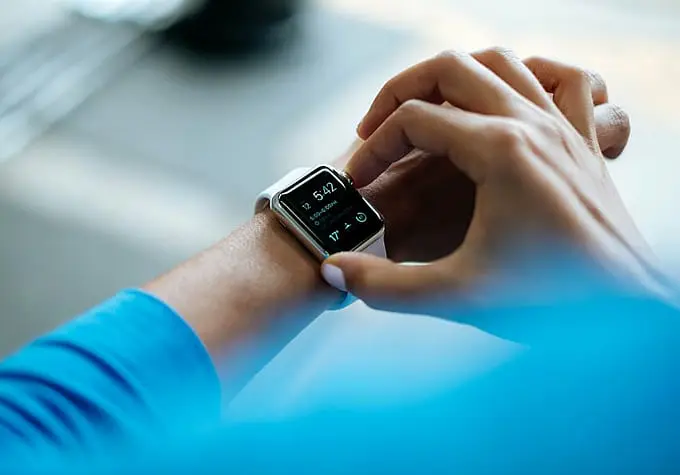
A smart wristband is a wearable device that records real-time data about daily activities such as exercise, diet, and sleep. The wristband can synchronize these data with iOS or Android devices, and the companion apps analyze the data to guide healthier living.
Mainstream smart wristbands include Nike+ FuelBand, Fitbit Flex, and Jawbone Up 2, and several Chinese manufacturers have released follow-up models. Recently, Yixun, part of Tencent, was the first in the Chinese market to exclusively sell the Jawbone Up, becoming the first Chinese e-commerce company to enter the wearable devices market; sales indicated interest among office workers.
Primary uses
- The wristband can function as an attractive accessory for users who regularly wear jewelry.
- It acts as an advanced pedometer, measuring steps, distance, calories burned, and estimated fat loss.
- Sleep monitoring: it tracks sleep and provides reminders to maintain healthy sleep habits. After synchronizing with a smartphone, it can display sleep start and wake times, deep and light sleep periods, and overall sleep quality.
- Personal coaching: it records activity paths, calories burned, and calorie intake. Users can set goals such as step counts or calorie targets and monitor completion rates in real time.
- Social sharing: users can share sleep quality, exercise data, and mood logs via social networks.
- Location and status reporting: with a built-in GPS connector, the device can send body-status and location information to family members or medical services, which can be useful for older adults.
- Fatigue reminders: the wristband can alert the user when excessive fatigue is detected.
- Water resistance: many wristbands provide water resistance, allowing use while swimming without damage.
- Auxiliary features: functions such as smart alarms, inactivity reminders, and power naps can be especially useful for office workers.
Key features
Vibration wake
Many wristbands include a vibration motor that can wake the user silently. Users can configure an alarm on the wristband to trigger vibration at a set time. Compared to audible alarms, vibration-based waking is less likely to cause anxiety and may have fewer negative effects on mood, memory, and cognitive speed.
Sleep tracking
Users typically mark sleep start and end when using the wristband, enabling synchronization of last-night sleep data to a phone or tablet. The wristband records sleep start time, deep sleep duration, light sleep duration, and wake time, and aggregates daily and weekly sleep statistics into visual charts. These insights can be shared on social platforms to discuss sleep patterns and adjust habits accordingly.
Activity monitoring
Activity tracking is a core function. The wristband records daily step counts, active time, idle time, distance, and energy expenditure. Users can set targets (for example, a step goal within 24 hours). For sedentary office workers, the wristband can detect prolonged inactivity and prompt stretching exercises to reduce muscle strain. Energy expenditure estimates are calculated using age, sex, height, weight, and activity intensity and duration.
Diet logging
Although wristbands cannot identify foods automatically, companion apps often provide an extensive food database. Users can add food items or photos and specify portion sizes; the app then estimates caloric intake and aggregates daily totals by time and meal type. While not perfectly precise, this method offers a useful baseline. Some apps also compare recorded foods against recommended daily nutrient percentages to provide a health index for meal choices.
Heart rate measurement
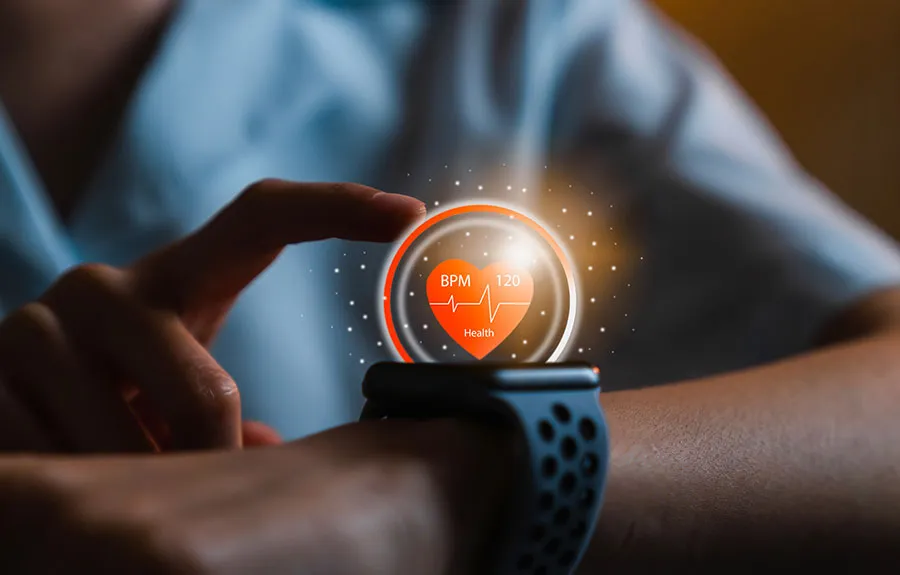
Many wristbands can measure heart rate when worn on the wrist. Heart rate data during sleep and exercise can inform sleep quality analysis and exercise intensity. Measurement accuracy varies between devices, but advances in sensor technology continue to improve reliability. Heart rate records can also be shared with others using the companion app.
Basic tracking functions
Step counting and sleep tracking are the baseline features in most wristbands. These functions rely on built-in motion sensors and flash memory to measure and store data. Other metrics such as calories burned, distance, and sleep quality are derived from those basic data combined with user profile inputs. Motion-sensor-based solutions still have some measurement error, so sensor quality and software algorithms are critical for improving step-count accuracy. Under identical test conditions, wristbands that report lower cumulative error generally provide step counts that are closer to actual steps.
Automatic sleep modes and usability
Some devices support both automatic and manual sleep tracking modes, which helps avoid data gaps caused by forgetting to enable or disable tracking.
Battery life
Short battery life and frequent charging remain common issues for portable devices. Because battery capacity scales with device size and current lithium battery technology limits energy density, frequent charging can interrupt continuous data collection. For a device intended for 24/7 wear, planning charging times to avoid data gaps is an important consideration.
Synchronization
Wristbands depend on companion apps on phones or computers to store and analyze large amounts of data. The convenience of synchronization with phones or PCs significantly affects the user experience.
Comfort and materials
Comfort and ergonomic design are as important as functionality. Materials that are comfortable and a shape that follows human factors guidelines reduce discomfort during extended wear. Many wristbands use medical-grade rubber, with some models incorporating ABS plastic or metal components. To accommodate users with metal sensitivities, many manufacturers use nonmetal materials for contact surfaces.
Alert and status feedback
Alert features let users quickly understand progress toward goals, such as steps taken or remaining to reach a daily target. LEDs, small displays, or vibration notifications are more convenient than opening an app. Some wristbands require a tap or another action to activate the display, which conserves battery life but may be less convenient than an always-on wrist-watch-like raise-to-wake behavior.
Network and sharing
Wristbands provide social sharing features that allow users to publish sleep, diet, exercise, and mood data via companion apps. For vulnerable users, location and status reporting via built-in GPS connectors can notify family or medical services as needed.
Conclusion
A smart wristband is a wearable device that records exercise, sleep, and dietary data, synchronizes with iOS or Android devices, and supports data-driven guidance for healthier living. Key considerations when choosing a wristband include sensor quality, software algorithms, comfort, battery life, synchronization options, and the availability of relevant features for the intended user.