Aperture Optimization
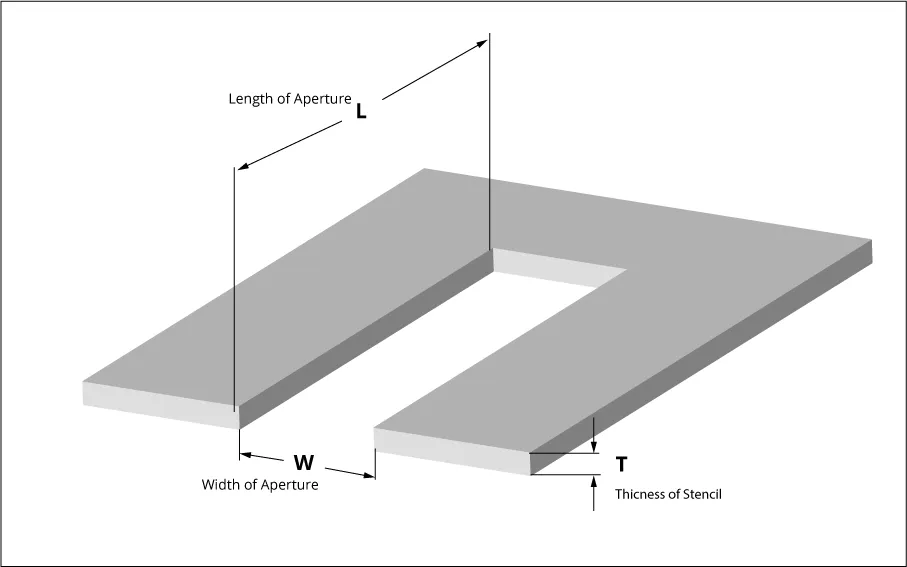
Aperture optimization plays a critical role in printed circuit board (PCB) manufacturing, particularly during the solder paste stencil printing process. This technique involves fine-tuning the size, shape, and configuration of apertures in stencils to ensure precise solder paste deposition on pads. For engineers and designers searching for aperture optimization strategies, understanding this concept can significantly enhance assembly yields and minimize common defects such as bridging, tombstoning, or insufficient solder joints. By adjusting aperture dimensions based on factors like component size, pad geometry, and paste viscosity, manufacturers can achieve better print quality and reliability in high-volume production environments. In practice, aperture optimization often requires analyzing specific board designs and assembly requirements. For instance, smaller apertures may be ideal for fine-pitch components to prevent excess paste, while larger ones suit power devices needing robust solder connections. Best practices include using simulation software to model paste release and conducting empirical tests to validate adjustments. This approach not only reduces material waste but also supports compliance with industry standards like IPC-7525 for stencil design. Professionals in electronics assembly will find that optimizing apertures leads to fewer rework cycles and improved overall product performance, especially in applications involving dense interconnects or mixed-technology boards. The articles gathered under the Aperture Optimization tag provide in-depth discussions on these topics, offering step-by-step methodologies and case studies from real-world PCB projects. Readers can delve into guides on aperture ratio calculations, the impact of stencil thickness, and integration with automated optical inspection systems. Whether you are troubleshooting assembly issues or refining designs for new prototypes, these resources equip you with the knowledge to implement effective optimizations tailored to your specific needs.
Video Guide
No videos found for this tag.
Technical Articles
Get in Touch
Send Message
- Products & Service
- Company
- About AIVON
- Contact
- News
- Blog
- Certification
-


- Payment
-


2026 AIVON.COM All Rights Reserved