BGA Rework
Ball Grid Array (BGA) components are integral to modern printed circuit boards, offering high-density interconnections in compact designs. However, when these components fail or require upgrades, BGA rework becomes essential for restoring functionality without discarding the entire board. This tag page aggregates expert insights and resources focused on BGA rework processes, including removal, reballing, soldering, and inspection techniques. Whether you are a PCB designer troubleshooting assembly issues or a repair technician dealing with thermal management challenges, these articles provide practical guidance to ensure reliable outcomes. Understanding BGA rework starts with recognizing common pitfalls, such as misalignment during reflow or voiding in solder joints, which can lead to electrical failures. Our content delves into best practices like selecting appropriate flux types, calibrating reflow profiles, and using advanced tools such as infrared rework stations or X-ray inspection systems. For instance, professionals often benefit from step-by-step tutorials on preheating methods to minimize thermal stress on surrounding components, thereby extending the lifespan of high-value assemblies in industries like aerospace and consumer electronics. By exploring the articles linked here, you can gain actionable strategies tailored to specific scenarios, from prototyping small runs to handling large-scale production repairs. This collection equips you with the knowledge to tackle BGA rework efficiently, reducing downtime and costs while maintaining quality standards. Dive into these resources to refine your skills and address real-world electronics challenges effectively.
Technical Articles

Preventing Mechanical Stress Damage to SMT BGA Solder Joints: PCA Line Control Essentials

BGA Soldering Defects: A Comprehensive Guide for SMT Process Engineers

Root Cause Analysis and Corrective Actions for a 76% Open-Solder Rate on Recycled BGA Devices

Dye Stain Analysis of SMT BGA Defects: A Review of Five Typical Cases

SMT BGA Head-in-Pillow (HIP) Defect: Mechanism, Detection, and Process Solutions
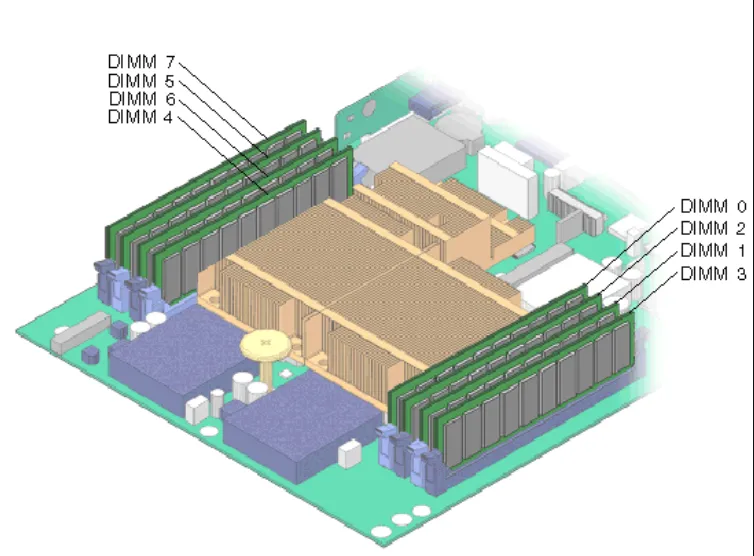
Why You Should Not Place Components Larger Than 3216 Directly Under a BGA

SMT BGA Failure Analysis by Dye Stain: Procedure, Criteria, and Practical Cases
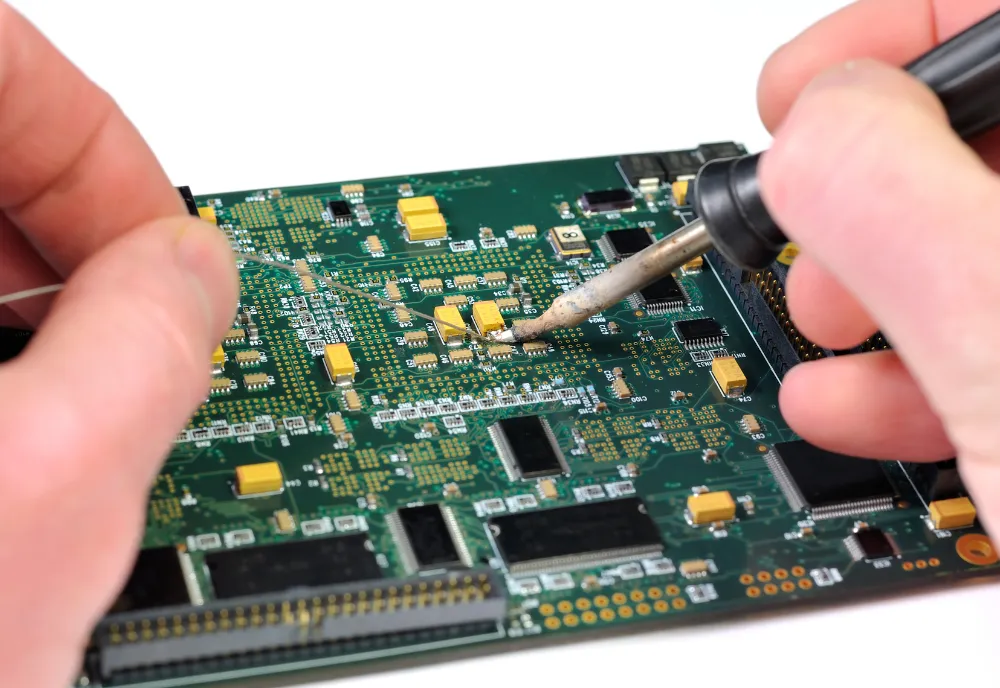
PCB Rework and the Internet of Things (IoT): Addressing Unique Challenges
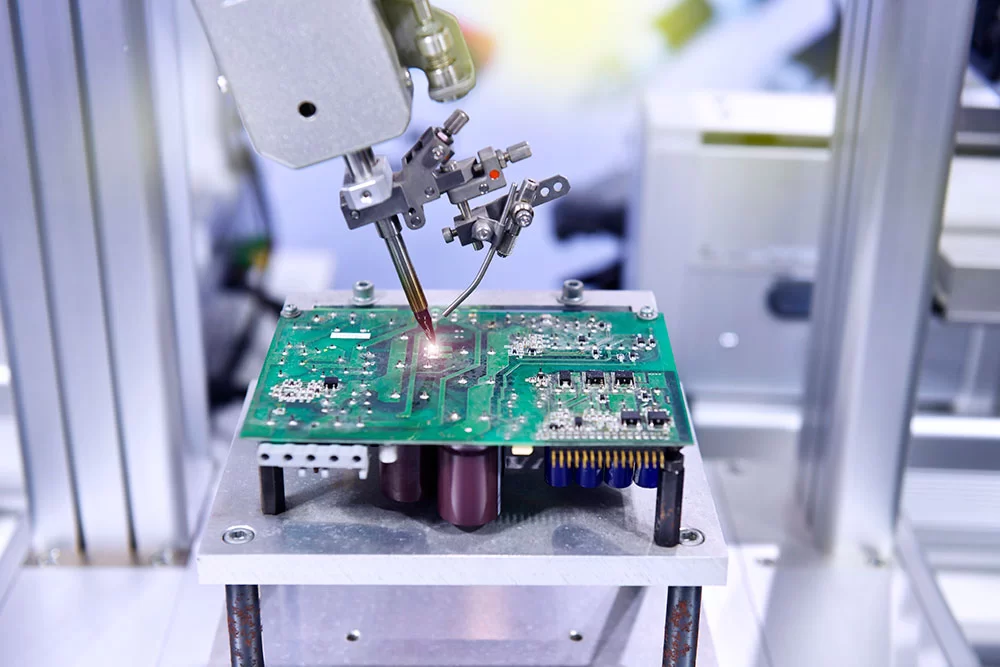
The Ultimate Guide to PCB Rework Stations: Choosing the Right Equipment for Repair

X Ray Inspection For Prototype PCB Rework
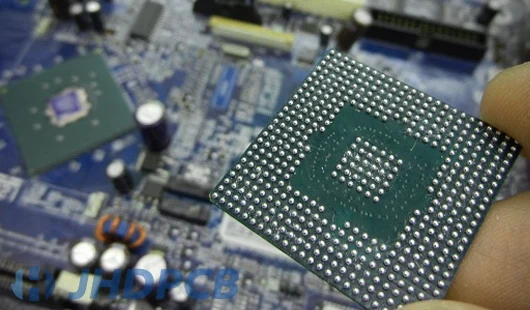
BGA Reballing: Prototype PCB Rework Process
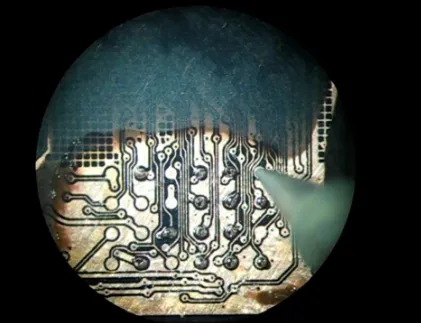
How to Access NAND Flash and Read Data
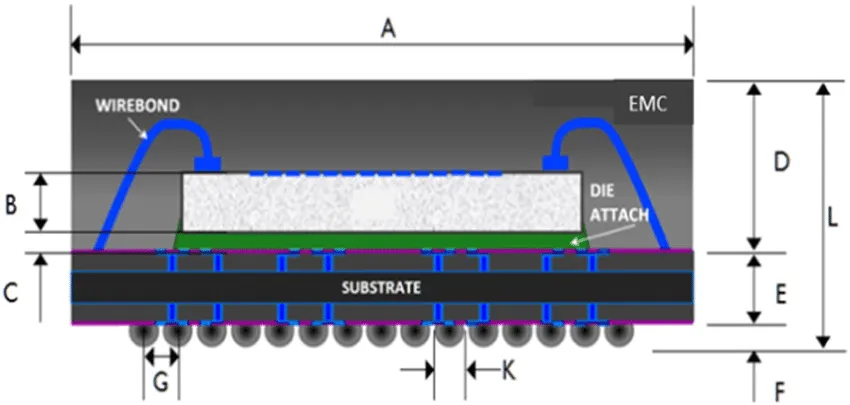
A Comprehensive Guide to BGA Assembly and Inspection
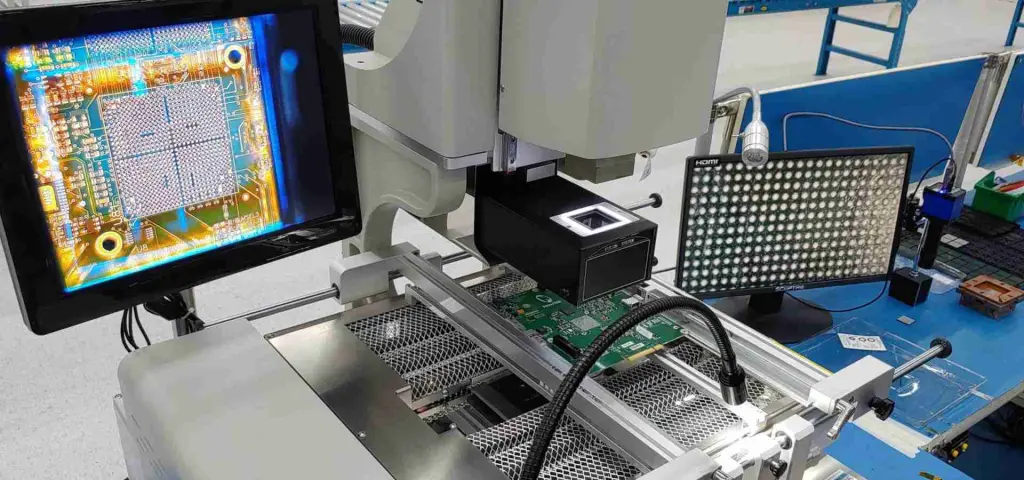
Advanced SMT Rework Techniques: A Comprehensive Guide for Professional Engineers
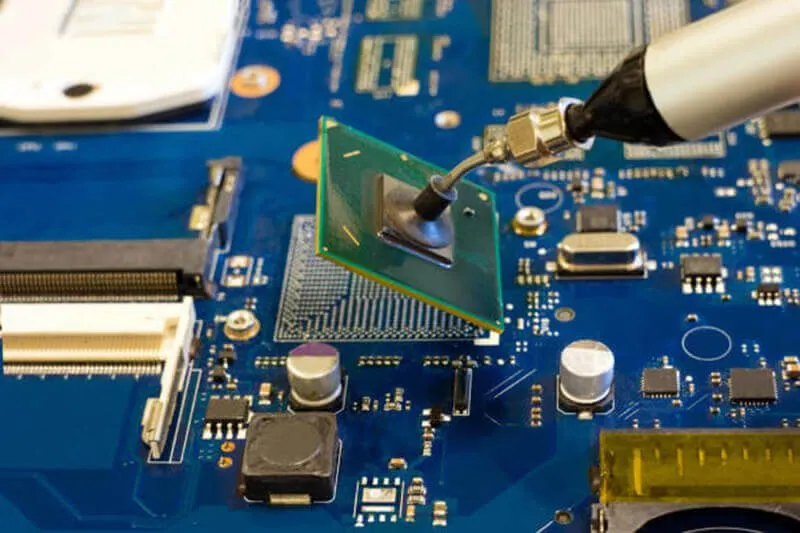
SMT Stencils for Rework and Repair: Techniques and Considerations