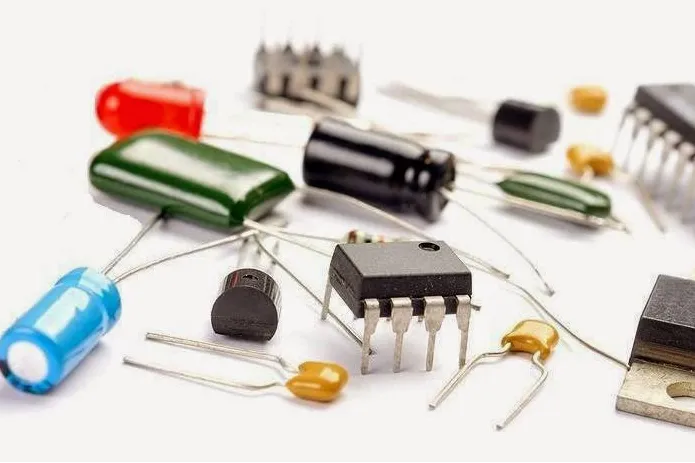
Design For Reliability (DFR)
Design For Reliability (DFR) is a critical engineering discipline focused on integrating reliability principles into the early stages of product development, particularly in PCB and electronics design. By anticipating potential failure modes and environmental stresses, DFR ensures that electronic systems perform consistently over their intended lifespan, minimizing downtime, warranty claims, and costly redesigns. This approach is essential for industries such as aerospace, automotive, medical devices, and consumer electronics, where reliability directly impacts safety, user satisfaction, and regulatory compliance. Engineers and designers searching for DFR resources often seek strategies to enhance product durability, from selecting robust components to implementing redundancy and fault-tolerant architectures. At its core, DFR involves systematic methodologies like Failure Mode and Effects Analysis (FMEA), accelerated life testing, and thermal management techniques. These practices help identify vulnerabilities early, allowing teams to incorporate features such as overvoltage protection, vibration resistance, and corrosion-resistant materials. For instance, in PCB layout, applying DFR principles might include optimizing trace routing to reduce electromagnetic interference or using conformal coatings to protect against moisture. By adopting these best practices, professionals can achieve higher mean time between failures (MTBF) and align with standards like IPC-6012 for PCB qualification. This not only extends product life but also supports sustainable manufacturing by reducing electronic waste. The content under this tag delves into real-world applications and case studies, providing practical guidance for implementing DFR in various projects. Readers can find detailed discussions on tools like reliability prediction software and integration with design software suites, helping to streamline workflows and improve outcomes in electronics development. Whether you are troubleshooting existing designs or planning new ones, these resources offer valuable insights to elevate your reliability engineering efforts.
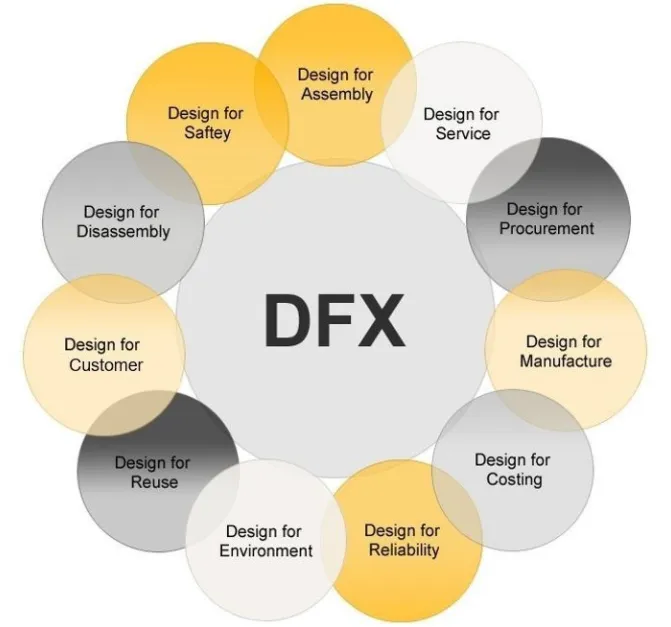
Get in Touch
Send Message
- Products & Service
- Company
- About AIVON
- Contact
- News
- Blog
- Certification
-


- Payment
-


2026 AIVON.COM All Rights Reserved