Electronic Prototyping
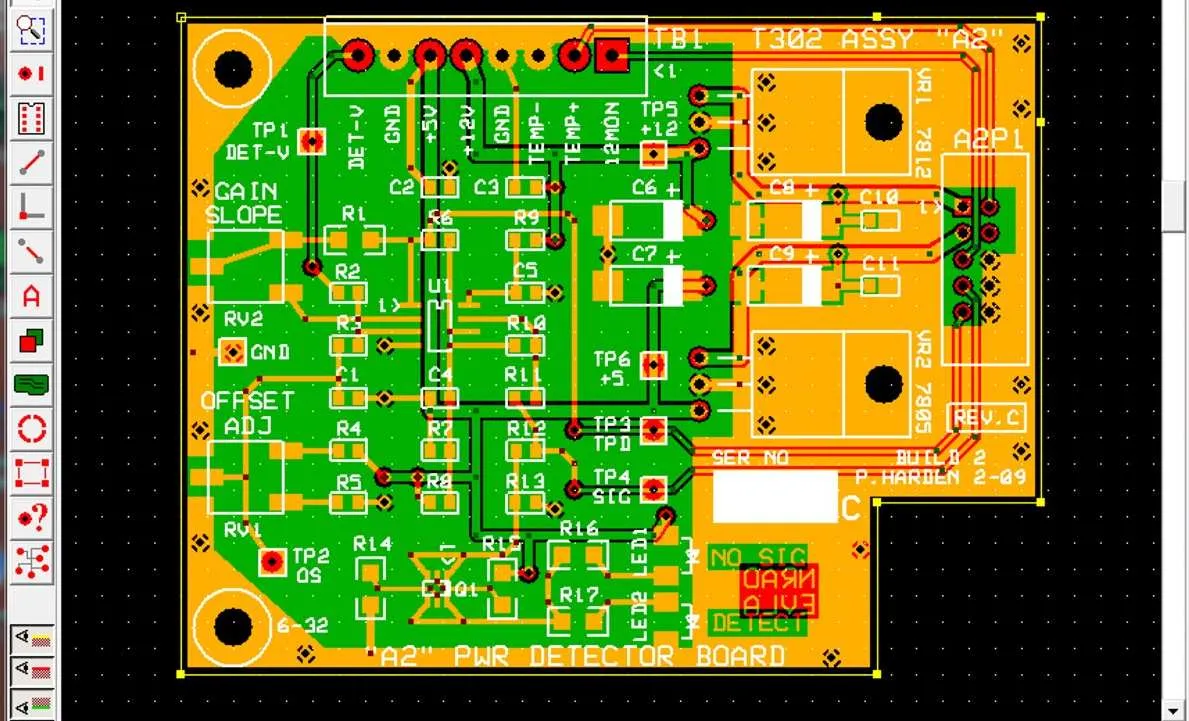
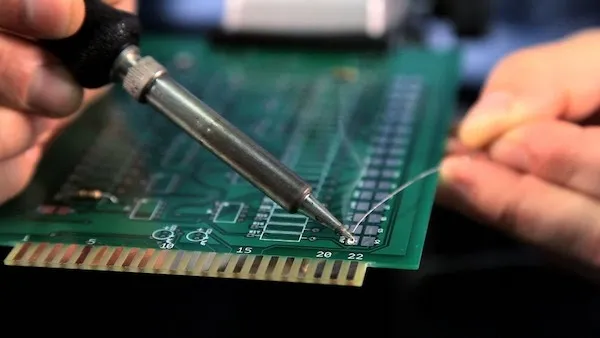
Electronic Prototyping serves as the foundational step in bringing innovative electronic ideas to life, allowing engineers, hobbyists, and inventors to test concepts quickly and efficiently before committing to full-scale production. This tag encompasses a wide range of techniques and tools essential for anyone involved in electronics design, from basic breadboard assemblies to advanced PCB layouts and simulation software. By focusing on Electronic Prototyping, users can explore methods to validate circuit functionality, identify potential flaws early, and iterate designs with minimal resources, ultimately reducing time to market and development costs. For those searching for guidance on Electronic Prototyping, the content here addresses common challenges such as selecting the right prototyping boards, integrating microcontrollers, or troubleshooting signal integrity issues. Practical applications include creating custom IoT devices, wearable tech, or automated systems, where rapid prototyping enables experimentation with components like sensors, resistors, and capacitors in real-world scenarios. Best practices emphasize starting with modular designs to facilitate easy modifications, using simulation tools like SPICE for virtual testing, and documenting each iteration to track improvements and avoid repeated errors. Professionals and enthusiasts alike benefit from these insights, whether refining a prototype for commercial viability or building a personal project. The articles under this tag provide detailed walkthroughs on soldering techniques, enclosure design, and transitioning from prototype to manufacturable PCB, helping users achieve reliable results. Diving into these resources can offer the knowledge needed to turn theoretical ideas into functional prototypes, supporting both educational pursuits and professional endeavors in the electronics field.
Technical Articles
Get in Touch
Send Message
- Products & Service
- Company
- About AIVON
- Contact
- News
- Blog
- Certification
-


- Payment
-


2026 AIVON.COM All Rights Reserved