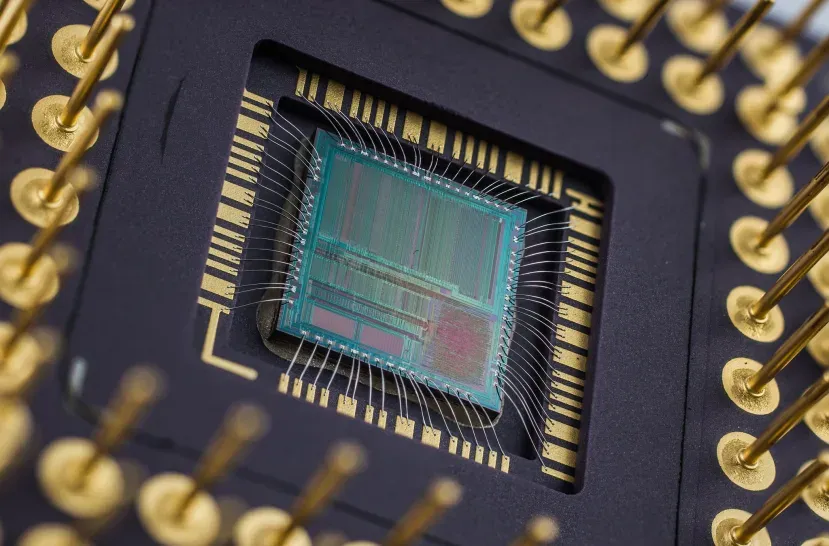
Embedded Components
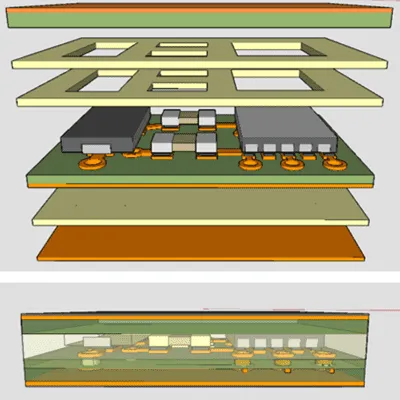
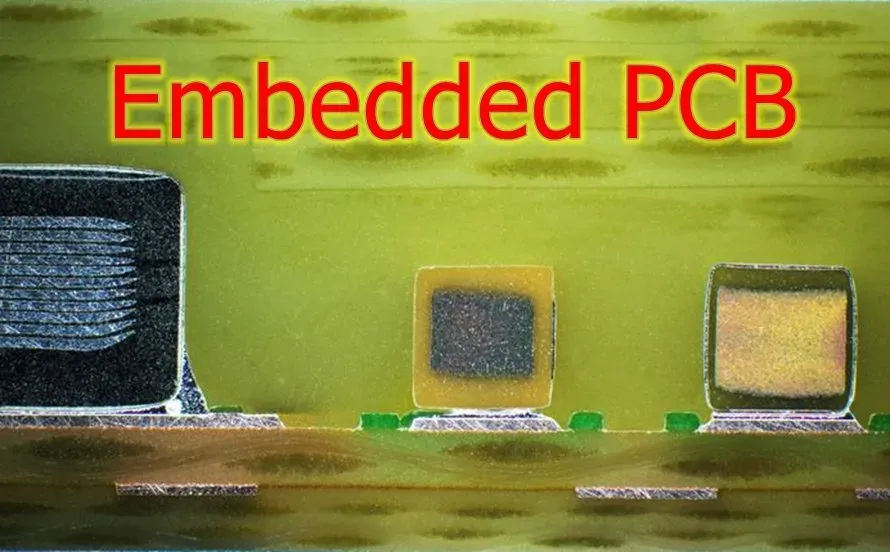
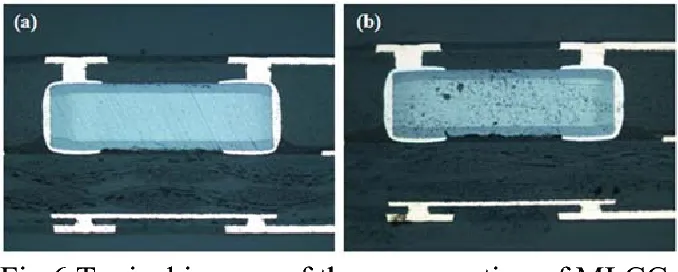
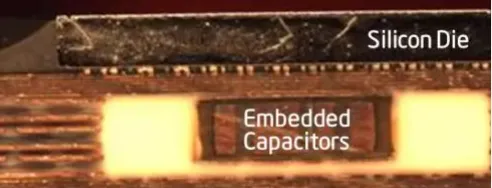
Embedded components represent a sophisticated advancement in printed circuit board (PCB) design, where passive elements such as resistors, capacitors, and inductors are integrated directly into the substrate layers rather than mounted on the surface. This approach minimizes board footprint, enhances signal integrity, and improves thermal management, making it ideal for high-density applications in modern electronics. For engineers and designers searching for information on embedded components, this tag serves as a comprehensive resource, covering the fundamentals of their implementation and the advantages they offer over traditional surface-mount technology. In practical terms, embedding components allows for more compact designs without sacrificing performance, which is particularly valuable in industries like consumer electronics, automotive systems, and wearable devices. For instance, in smartphones and IoT modules, this technique reduces parasitic inductance and capacitance, leading to faster signal speeds and lower power consumption. Best practices include selecting appropriate materials for the PCB substrate to ensure compatibility with embedded elements, conducting thorough simulations to predict electrical behavior, and adhering to manufacturing standards like those from IPC to avoid issues such as delamination or alignment errors during fabrication. Professionals tackling complex PCB projects can benefit from understanding the trade-offs, such as increased initial costs versus long-term reliability gains. Articles linked under this tag delve into case studies, design guidelines, and troubleshooting tips, providing actionable insights for optimizing layouts and integrating embedded components effectively. By reviewing these resources, you can refine your approach to achieve more efficient and innovative electronic solutions.
Get in Touch
Send Message
- Products & Service
- Company
- About AIVON
- Contact
- News
- Blog
- Certification
-


- Payment
-


2026 AIVON.COM All Rights Reserved