Flex Microvias
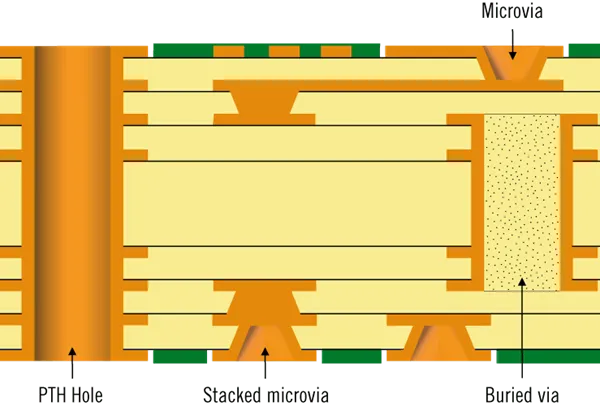
Flex microvias represent a critical advancement in flexible printed circuit board (PCB) design, enabling high-density interconnections in compact, bendable electronics. These small-diameter vias, typically less than 150 microns, are laser-drilled or mechanically formed to connect layers in flex PCBs, allowing for intricate routing without compromising the board's flexibility. For engineers and designers searching for information on flex microvias, this tag compiles resources that delve into their fabrication processes, material compatibility, and integration challenges. Understanding these elements is essential for developing reliable flexible circuits used in applications like wearable devices, medical implants, and automotive sensors, where space constraints and mechanical stress are common hurdles. In practice, flex microvias offer significant advantages over traditional through-hole vias by reducing signal path lengths and improving electrical performance in high-frequency designs. Best practices include selecting appropriate dielectric materials such as polyimide to withstand repeated flexing, and employing precise laser ablation techniques to minimize thermal damage. Designers should also consider via filling methods, like conductive paste or plating, to enhance reliability and prevent failures from environmental factors such as humidity or vibration. Articles under this tag provide actionable insights, including step-by-step guidelines for optimizing microvia aspect ratios and stackup configurations to achieve better yield rates in manufacturing. For those tackling real-world projects, exploring the content here can help troubleshoot common issues like via cracking or delamination in flex assemblies. Detailed case studies illustrate how flex microvias have been successfully implemented in consumer electronics and aerospace systems, offering practical lessons on testing protocols and compliance with standards like IPC-6013. By reviewing these resources, professionals can refine their approaches to flex PCB design, ensuring robust performance in demanding environments.
Video Guide
No videos found for this tag.
Technical Articles
Get in Touch
Send Message
- Products & Service
- Company
- About AIVON
- Contact
- News
- Blog
- Certification
-


- Payment
-


2026 AIVON.COM All Rights Reserved