Laminate Adhesion
Laminate adhesion plays a critical role in the manufacturing and performance of printed circuit boards (PCBs), ensuring that multiple layers bond securely to withstand thermal, mechanical, and environmental stresses. In PCB design and production, this property refers to the strength of the bond between the laminate materials, such as epoxy resins and copper foils, which directly impacts the board's reliability and longevity. Poor adhesion can lead to delamination, signal integrity issues, or complete failure in high-stakes applications like aerospace, automotive, and consumer electronics. For engineers and technicians searching for information on laminate adhesion, understanding its fundamentals helps in selecting appropriate materials and processes to enhance board durability. Key factors influencing laminate adhesion include surface preparation, resin chemistry, and curing conditions. For instance, proper roughening of copper surfaces through chemical etching or mechanical abrasion promotes better interlocking with the prepreg layers, while controlled pressure and temperature during lamination prevent voids or weak spots. Testing methods such as peel strength tests or cross-sectional analysis provide quantifiable data to validate adhesion quality, allowing manufacturers to meet standards like IPC-4101. Practical applications extend to troubleshooting common problems, such as adhesion failure in multilayer boards exposed to humidity or thermal cycling, where solutions might involve using adhesion promoters or optimizing stack-up designs. Professionals in electronics can benefit from best practices outlined in resources focused on this topic, including guidelines for material compatibility and process optimization to achieve robust bonds. Articles tagged under Laminate Adhesion offer detailed explorations of these concepts, from innovative techniques in high-frequency laminates to case studies on failure analysis, providing the insights needed to improve PCB fabrication outcomes and reduce defects in production environments.
Technical Articles
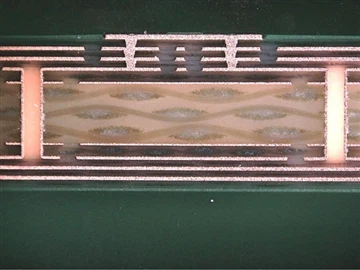
Delamination in PCB Lamination: Causes, Detection, and Prevention
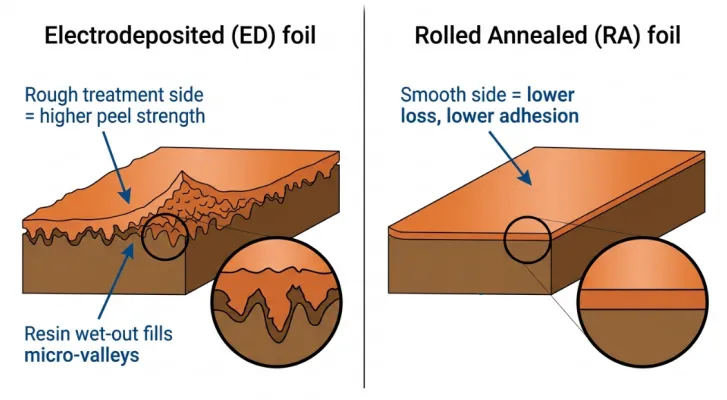
FR4 PCB Copper Foil Peeling: Causes and Prevention
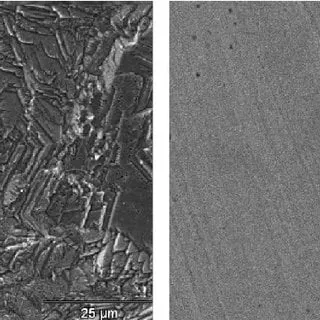
FR4 PCB Surface Preparation Before Lamination
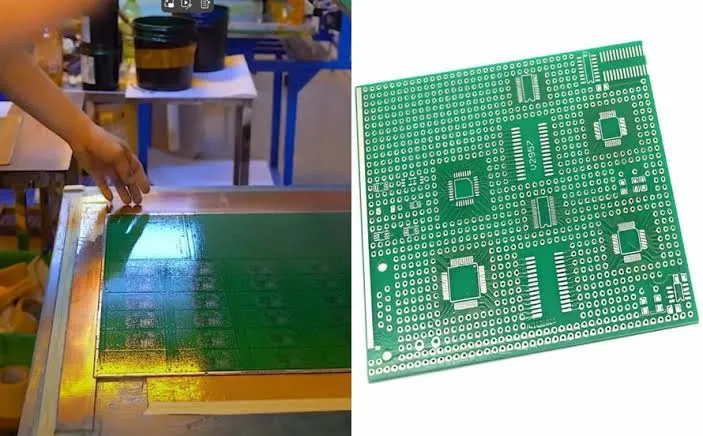
FR4 PCB Solder Mask Adhesion: Common Problems and Process Controls
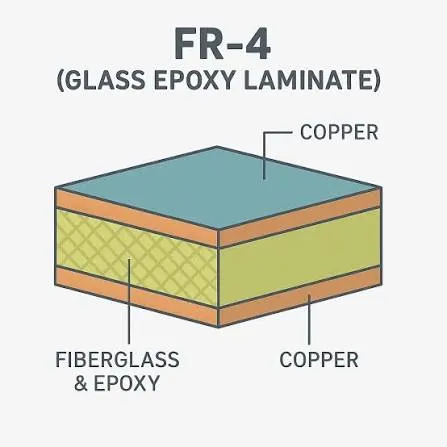
FR4 PCB Inner Layer Oxide Treatment: Purpose and Process Control
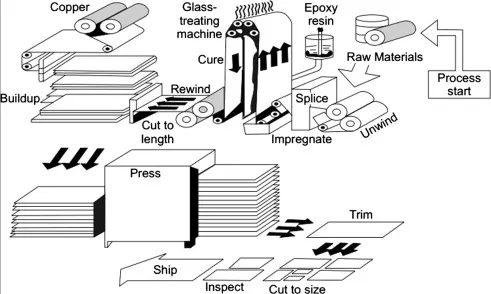
The Manufacturing Process of Copper-Clad Laminate: A Step-by-Step Guide