Laser-Cut Stencils
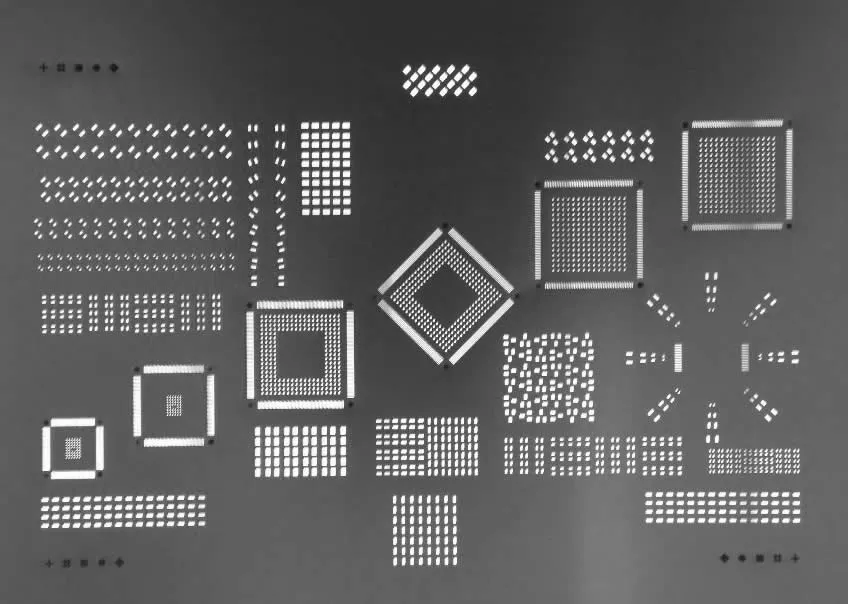
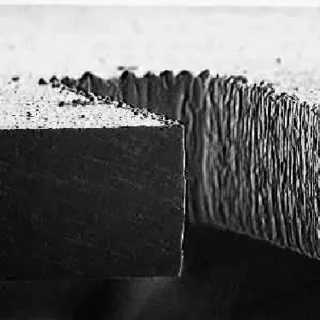
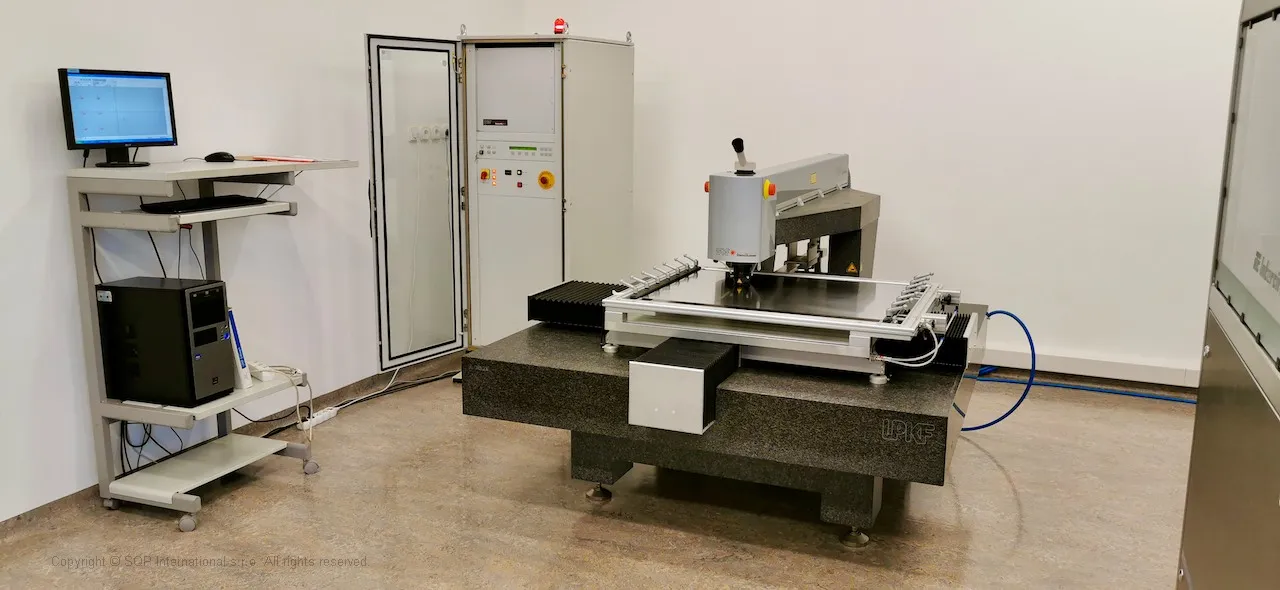
Laser-cut stencils are essential tools in PCB assembly, enabling precise application of solder paste to circuit boards for surface-mount technology (SMT) processes. These stencils are fabricated using laser cutting technology, which ensures high accuracy and fine detail, making them ideal for both prototyping and high-volume production. By aligning the stencil over the PCB and spreading solder paste through laser-etched apertures, engineers achieve uniform deposits that minimize defects like bridging or insufficient solder, ultimately improving the reliability and performance of electronic assemblies. For professionals and hobbyists searching for information on laser-cut stencils, this tag compiles in-depth resources that address common challenges and solutions. You'll find guidance on selecting the right stencil thickness and material, such as stainless steel or polyimide, to match your project's requirements. Practical applications include creating custom stencils for dense BGA packages or fine-pitch components, where precision is critical to avoid costly rework. Best practices covered here emphasize proper stencil alignment techniques, paste viscosity considerations, and cleaning methods to extend stencil lifespan and maintain consistent results across batches. Whether you're optimizing a DIY electronics project or scaling up manufacturing, understanding laser-cut stencils can significantly enhance your workflow. Articles in this tag delve into troubleshooting tips, like adjusting laser parameters for aperture accuracy, and compare them to alternatives like chemical etching for cost-effectiveness. As you navigate these topics, related pieces on SMT assembly tools and PCB design software offer complementary insights to refine your approach and achieve professional-grade outcomes.
Video Guide
No videos found for this tag.
Technical Articles
Get in Touch
Send Message
- Products & Service
- Company
- About AIVON
- Contact
- News
- Blog
- Certification
-


- Payment
-


2026 AIVON.COM All Rights Reserved