Minimum Drill Size
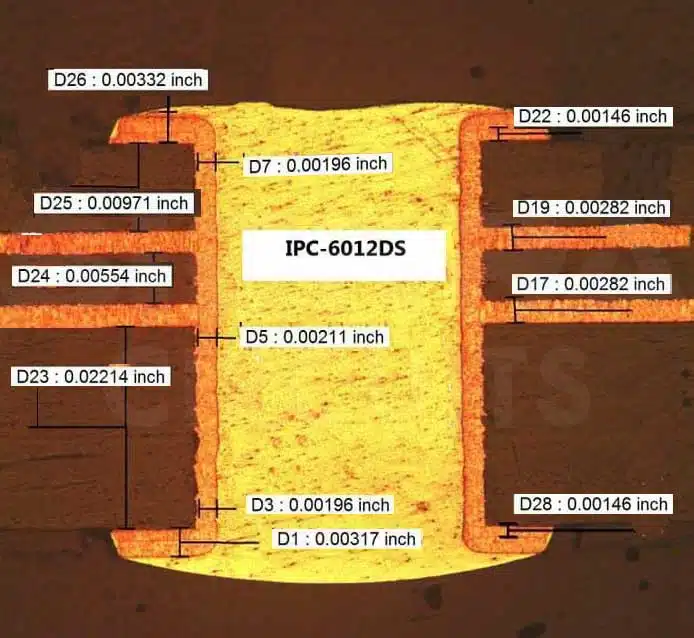
Understanding the minimum drill size is crucial for anyone involved in PCB design and manufacturing, as it directly impacts the feasibility, reliability, and cost of electronic assemblies. In printed circuit board production, the minimum drill size refers to the smallest diameter hole that can be reliably drilled through the board material, typically for vias, through-holes, or mounting points. This parameter is determined by factors such as the drilling equipment's capabilities, the substrate's thickness, and the aspect ratio of the hole, which must balance structural integrity with electrical performance. For engineers and hobbyists searching for information on minimum drill size, this tag aggregates resources that explain these constraints in detail, helping you avoid common pitfalls like drill bit breakage, plating issues, or signal integrity problems in high-speed circuits. Practical applications of adhering to minimum drill size guidelines are evident in designs requiring dense component placement, such as smartphones or automotive electronics, where smaller holes enable tighter routing and reduced board size. Best practices include selecting drill sizes no smaller than 0.15mm for standard FR-4 boards to ensure manufacturability, while advanced processes like laser drilling can achieve even finer features down to 0.075mm for microvias. Always consult your PCB fabricator's design rules early in the process to incorporate tolerances that prevent defects during production. By optimizing drill sizes, you can enhance yield rates and minimize rework, ultimately leading to more efficient prototypes and scalable manufacturing. The articles linked under this minimum drill size tag offer in-depth discussions on topics like calculating optimal sizes based on current carrying capacity, comparing mechanical versus laser drilling methods, and case studies from real-world projects. These insights equip you with the knowledge to make informed decisions, whether you are refining a new design or troubleshooting existing issues. Diving into these resources can provide the technical depth needed to elevate your PCB projects.
Technical Articles