 00:45
00:45
PCB Component Removal
PCB component removal is a critical skill in electronics repair, prototyping, and manufacturing, allowing engineers and hobbyists to salvage parts, fix faulty circuits, or upgrade designs without discarding entire boards. Whether you're dealing with through-hole resistors, surface-mount capacitors, or integrated circuits, mastering safe and effective removal techniques minimizes damage to the PCB and surrounding components. This tag, PCB Component Removal, gathers comprehensive resources to guide you through the process, from basic desoldering methods to advanced rework strategies. Understanding the fundamentals starts with selecting the right tools, such as soldering irons, desoldering pumps, hot air stations, or wick for precise heat application and solder extraction. Best practices emphasize temperature control to prevent thermal stress on the board, which could lead to lifted pads or warped substrates. For instance, preheating the area and using flux can improve solder flow and reduce the risk of cold joints during reinstallation. Practical applications include troubleshooting defective devices, recycling valuable components for cost savings, or iterating on prototypes where iterative changes are common. Safety is paramount; always work in a well-ventilated space to avoid inhaling fumes, and use ESD protection to safeguard sensitive electronics. By following these guidelines, you can achieve clean removals that preserve board integrity and extend the lifecycle of your projects. Dive into the articles under this tag to discover step-by-step tutorials, tool recommendations, and case studies that address common challenges like removing multi-pin ICs or handling lead-free solder. These insights equip you with the knowledge to tackle real-world scenarios efficiently, enhancing your electronics expertise.
Video Guide
-
00:45
-
 00:46
00:46
SOP Rework for Correcting Wrong Chip Orientation on PCBs
-
 00:52
00:52
Hot Air Gun Settings for Safe PCB Rework
-
 01:11
01:11
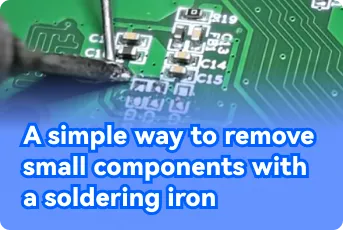
Remove Small SMD Components with Soldering Iron: Reliable Technique for PCB Rework
-
 00:48
00:48
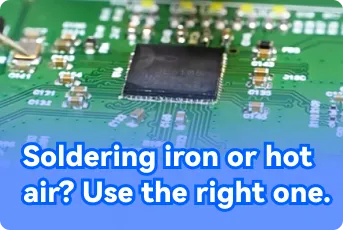
SMD Parts Removal with Soldering Iron: Reliable Techniques Without Hot Air
-
 00:39
00:39
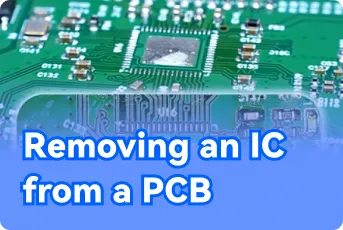
IC Desoldering & Removal: Professional Techniques for Safe PCB Rework
-
 00:55
00:55
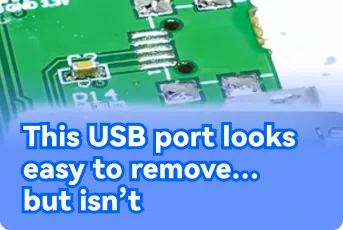
USB Port Desoldering and Removal: Critical Techniques for Safe PCB Rework
-
 00:45
00:45
SMD Component Removal: Professional PCB Rework and Repair Techniques
Technical Articles