PCB Core Thickness
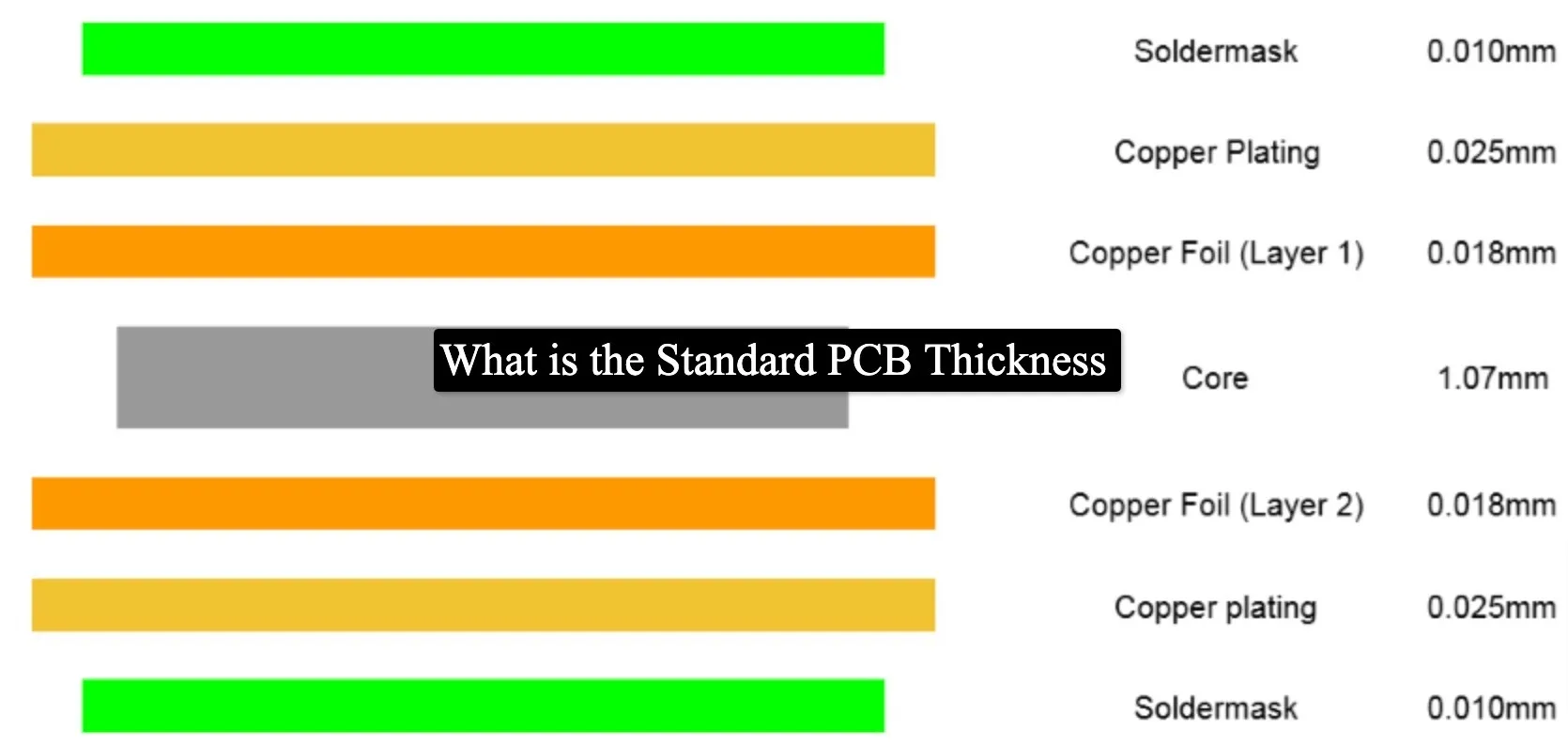
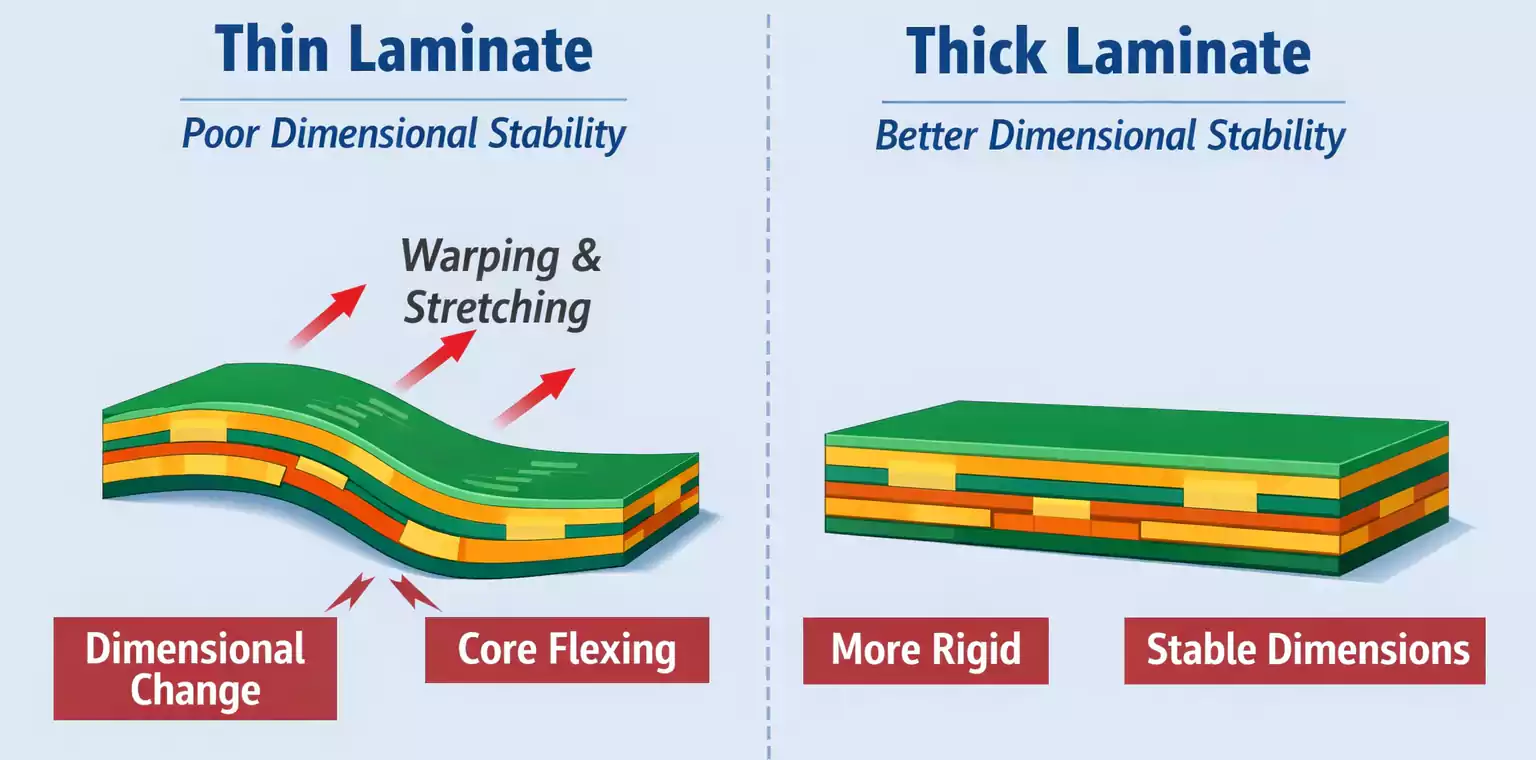
Understanding PCB core thickness is essential for engineers and designers aiming to optimize printed circuit board performance, reliability, and manufacturability. The core thickness refers to the dimension of the insulating substrate layer in a PCB, typically made from materials like FR-4, which forms the foundation between conductive layers. This parameter directly influences mechanical stability, signal integrity, thermal dissipation, and overall board flexibility, making it a critical consideration in high-frequency, high-power, or compact electronic designs. For those searching for information on PCB core thickness, this tag aggregates in-depth articles that explore its implications across various applications. Common thicknesses range from 0.2mm for flexible or ultra-thin boards to 3.2mm or more for rigid, high-durability designs used in automotive or aerospace sectors. Selecting the appropriate thickness involves balancing factors such as impedance control, where thicker cores can reduce crosstalk in multilayer boards, and cost efficiency, as thinner materials may lower production expenses but require careful handling to avoid warping during assembly. Practical insights include adhering to industry standards like IPC-4101 for material specifications, which help ensure compatibility with soldering processes and environmental stresses. In high-speed digital circuits, for instance, a core thickness of 1.6mm often serves as a standard for maintaining controlled impedance, while embedded systems might benefit from customized thicknesses to enhance heat management. Best practices recommend simulating thermal and electrical behaviors early in the design phase using tools like Altium or KiCad to predict how core thickness affects performance metrics. By delving into the resources under this PCB core thickness tag, readers can gain actionable strategies for their projects, from prototyping to scaling production. Related articles cover topics such as material selection, layer stacking techniques, and troubleshooting common issues, providing a comprehensive guide to informed decision-making in PCB engineering.
Technical Articles