 00:49
00:49
PCB Flux
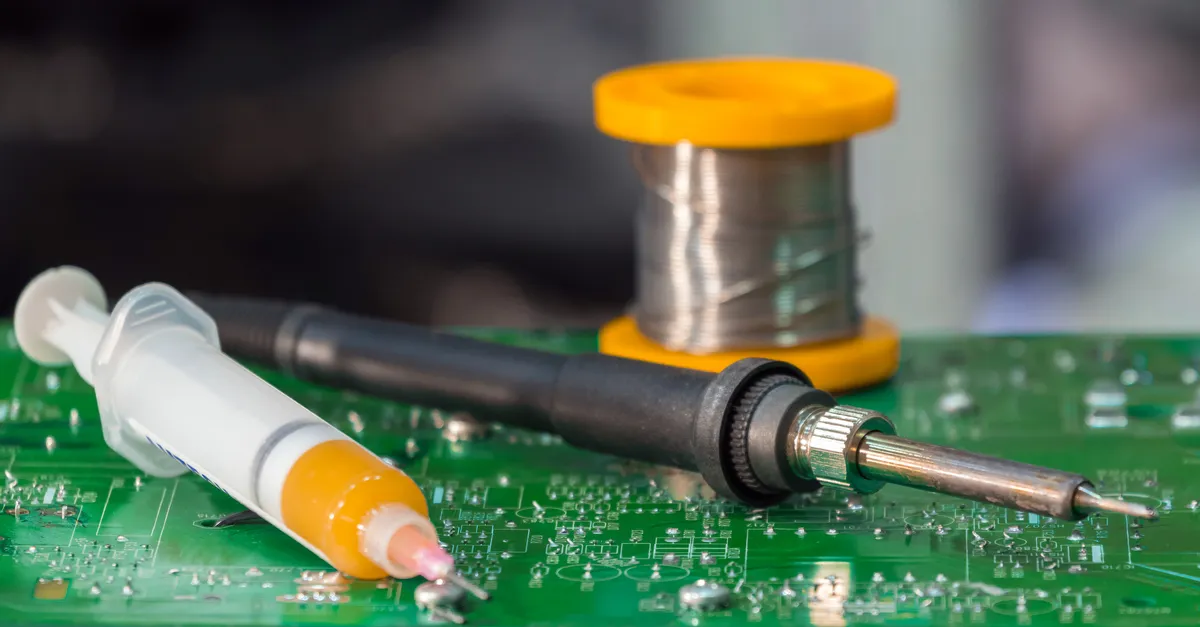
PCB flux plays a critical role in the soldering process for printed circuit boards, ensuring reliable connections and high-quality assemblies. As a chemical agent applied during soldering, it removes oxides from metal surfaces, prevents oxidation, and promotes better wetting and flow of solder. For electronics engineers, hobbyists, and manufacturers searching for information on PCB flux, this tag aggregates in-depth articles that cover its various types, including rosin-based, water-soluble, and no-clean formulations. Understanding these options is essential for selecting the right flux to match specific project requirements, such as environmental compliance or ease of post-soldering cleanup. In practical applications, proper use of PCB flux can significantly reduce defects like cold joints or bridging, leading to more durable and efficient electronic devices. Articles under this tag delve into best practices, such as applying the correct amount to avoid residue buildup, choosing flux compatible with lead-free solders, and integrating it into automated assembly lines. For instance, you'll find guidance on troubleshooting common issues like flux residue causing corrosion and tips for safe handling to minimize health risks from fumes. These insights are particularly valuable for optimizing soldering workflows in prototyping or high-volume production. By exploring the resources here, readers can gain actionable knowledge to enhance their PCB assembly techniques, whether refining DIY projects or scaling professional manufacturing processes. The content draws from industry standards and real-world case studies, helping you stay informed on advancements in flux technology and regulatory updates.
Video Guide
-
00:49
Technical Articles