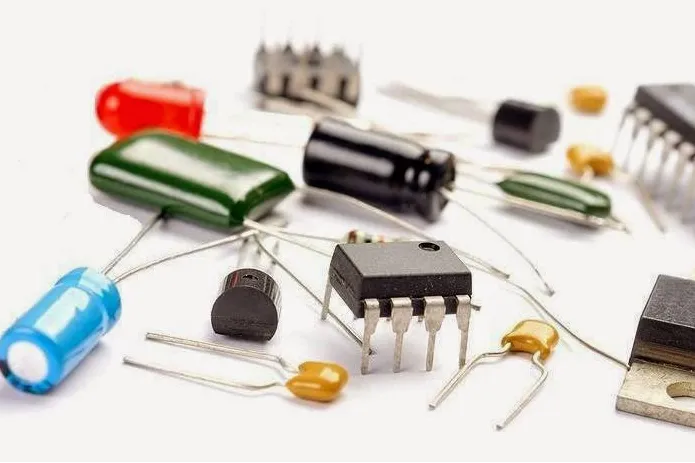
PCB Vibration
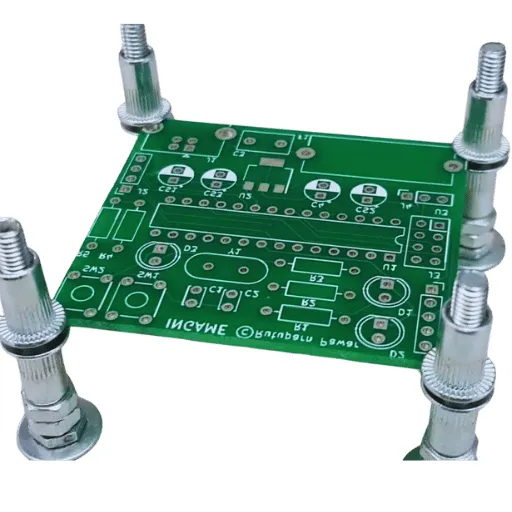
Vibration poses a significant challenge in the design and reliability of printed circuit boards (PCBs), particularly in environments exposed to mechanical stress such as automotive systems, aerospace applications, and industrial machinery. The PCB Vibration tag encompasses a range of topics focused on understanding, analyzing, and mitigating the effects of vibrations on electronic assemblies. For engineers and designers searching this keyword, these resources offer essential guidance on how vibrations can lead to component fatigue, solder joint failures, or signal integrity issues, ultimately compromising device performance and longevity. Key insights under this tag include practical strategies for vibration testing and simulation. Professionals can learn about standardized methods like those outlined in IPC standards or MIL-STD protocols, which help evaluate PCB resilience through shaker table tests or finite element analysis (FEA) software. Best practices emphasize selecting robust materials, such as high-Tg laminates or flexible substrates, and incorporating design features like reinforced mounting points, damping adhesives, or conformal coatings to absorb shocks. These approaches not only prevent failures but also extend the operational life of PCBs in high-vibration settings, reducing costly rework and downtime. For those tackling specific vibration-related problems, the articles here delve into real-world case studies and troubleshooting techniques. Whether optimizing layouts to minimize resonance frequencies or integrating sensors for ongoing vibration monitoring, the content provides actionable steps tailored to various industries. By exploring these detailed discussions, readers can apply proven solutions to enhance PCB durability and ensure compliance with regulatory requirements, fostering more reliable electronic systems overall.
Video Guide
No videos found for this tag.
Technical Articles
Get in Touch
Send Message
- Products & Service
- Company
- About AIVON
- Contact
- News
- Blog
- Certification
-


- Payment
-


2026 AIVON.COM All Rights Reserved