 00:46
00:46
SMT Rework
Surface-mount technology (SMT) rework is a critical process in electronics manufacturing and repair, involving the removal, replacement, or modification of components on printed circuit boards (PCBs) without damaging the surrounding assembly. For engineers, technicians, and hobbyists searching for SMT Rework, this tag serves as a comprehensive resource hub, offering insights into techniques that ensure high-quality repairs and minimize production downtime. Whether dealing with defective solder joints, component failures, or design iterations, understanding SMT Rework can significantly improve yield rates and extend the lifespan of electronic devices. Key aspects covered include essential tools such as hot air stations, soldering irons, and reflow ovens, along with step-by-step methods for desoldering and resoldering components like resistors, capacitors, and integrated circuits. Best practices emphasize temperature control to prevent thermal stress, proper flux application for clean joints, and inspection techniques using magnification or X-ray to verify rework integrity. These actionable strategies are particularly useful for troubleshooting common issues in high-density PCBs, where precision is paramount to avoid costly errors. Professionals in fields like consumer electronics, automotive, and aerospace often rely on SMT Rework to maintain compliance with standards such as IPC-7711/7721, ensuring reliability in mission-critical applications. By delving into the articles under this tag, readers can access practical case studies, tutorials, and expert tips that address real-world challenges, from small-scale prototyping to large-volume production repairs. This knowledge empowers users to enhance their skills, optimize workflows, and achieve consistent results in their electronics projects.
Video Guide
-
00:46
-
 00:46
00:46
SOP Rework for Correcting Wrong Chip Orientation on PCBs
-
 00:37
00:37
Safe QFP Chip Removal from PCB with Hot Air Rework
-
 00:38
00:38
Fix Blocked Through-Hole on PCB After Soldering: Reliable Clearing Methods
-
 00:39
00:39
IC Desoldering & Removal: Professional Techniques for Safe PCB Rework
-
 00:48
00:48
PCB Plastic Connector Removal: Safe Rework Techniques Without Melting
-
 00:48
00:48
Through-Hole Components Replacement: Professional Techniques for Reliable PCB Repairs
-
 00:49
00:49
Soldering Iron vs Hot Air: Choosing the Right Tool for PCB Soldering and Rework
Technical Articles

Deep Analysis: The BGA Rework Keep-Out Zone — Why You Must Not Place Components ≥ 3216 Directly Under a BGA
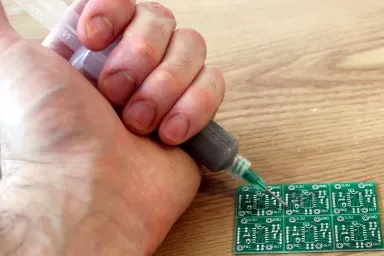
How to Hand Solder Tiny PCB Components (Like 0402 SMDs)
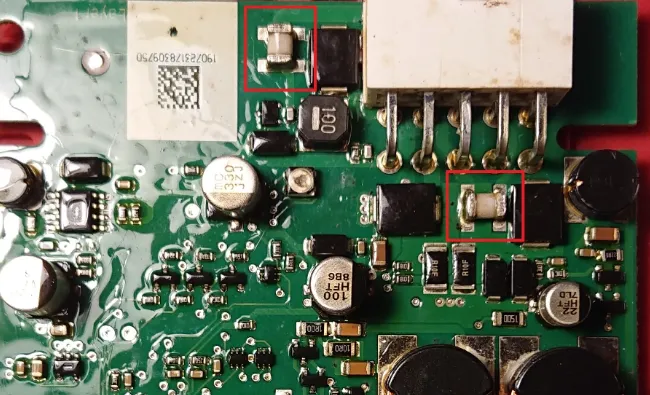
Troubleshooting Blown Fuses on PCBs: A Step by Step Guide
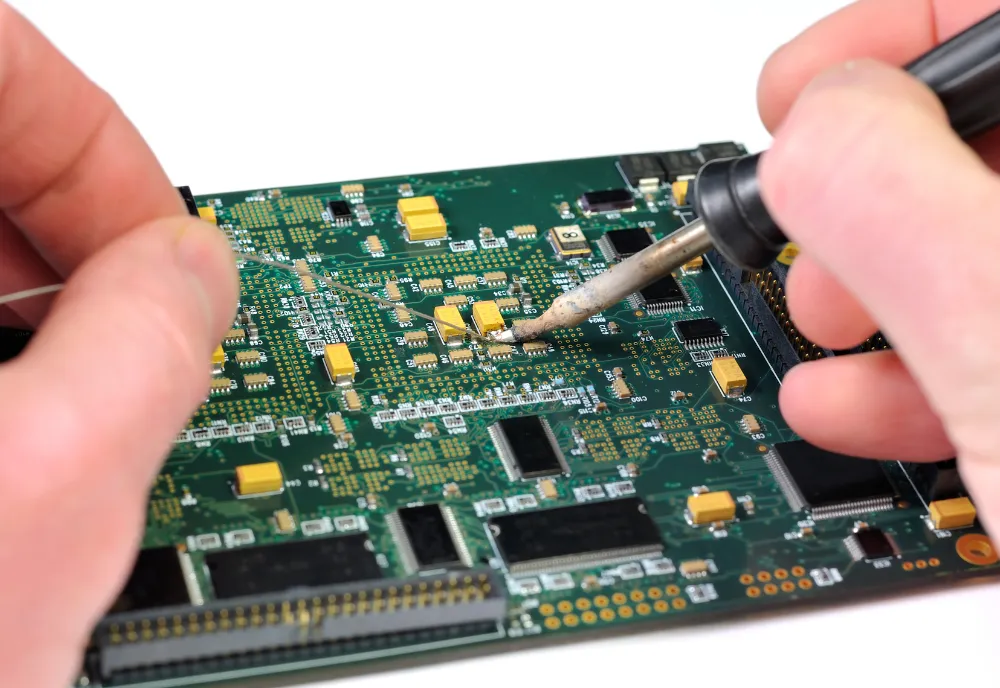
PCB Rework and the Internet of Things (IoT): Addressing Unique Challenges
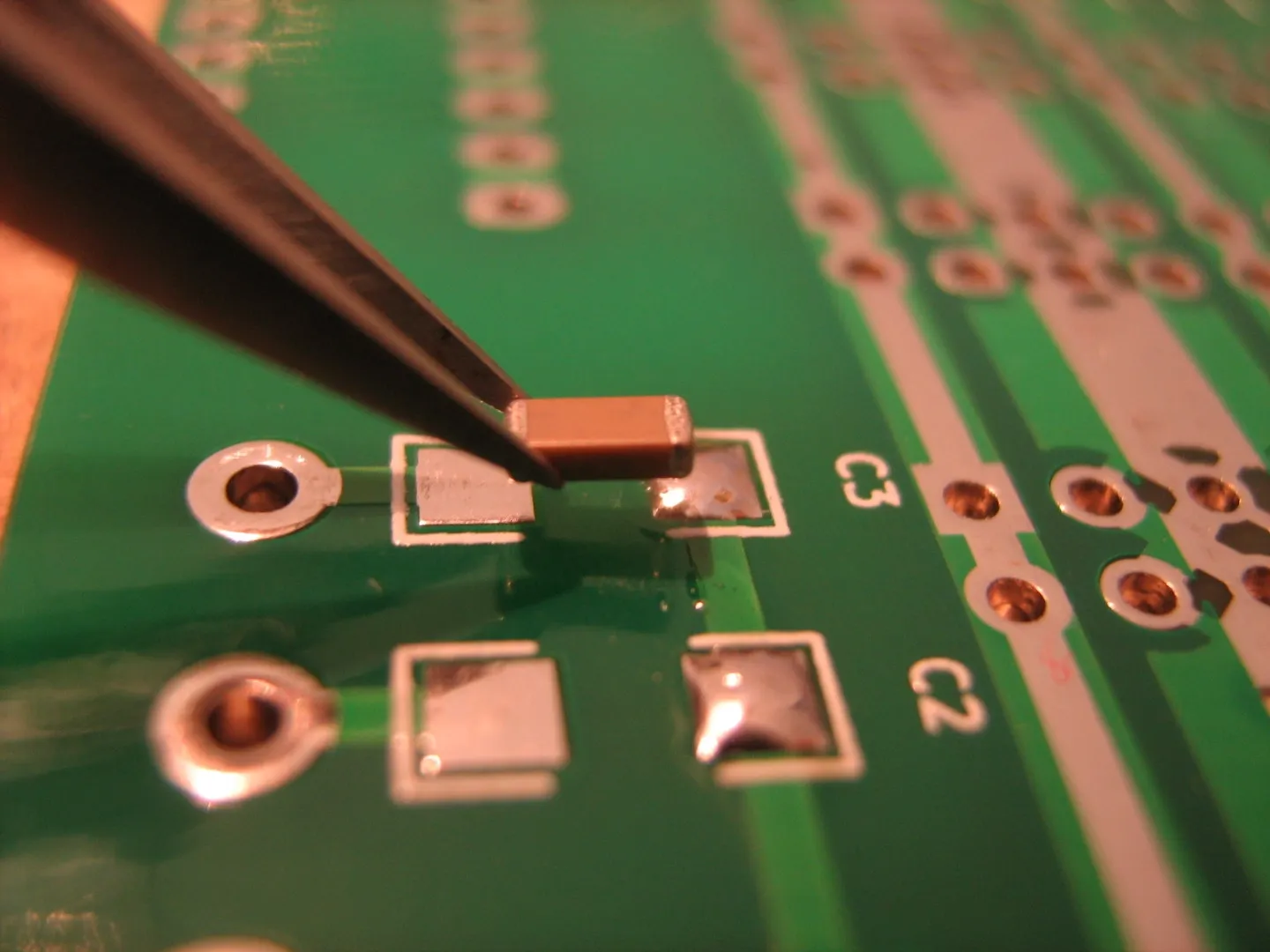
SMD Component Replacement: A Step by Step Rework Tutorial
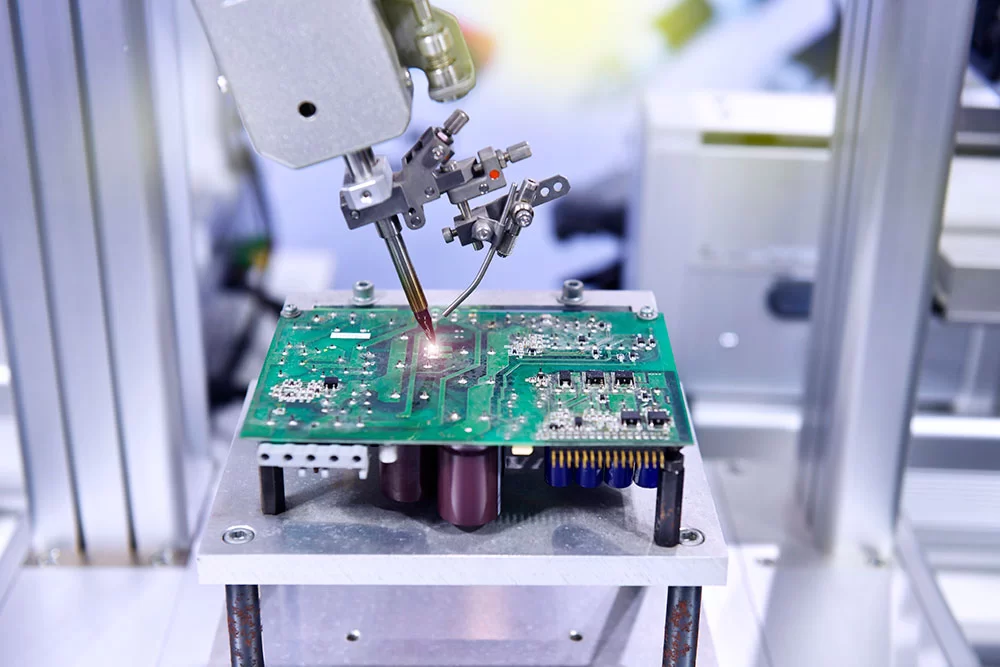
The Ultimate Guide to PCB Rework Stations: Choosing the Right Equipment for Repair
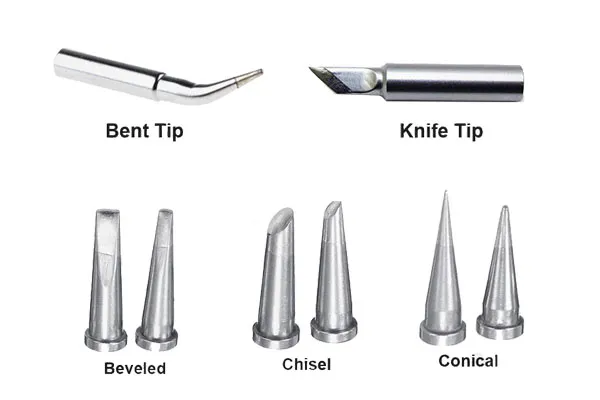
The Ultimate Guide to Choosing the Right Manual Soldering Station for SMD Rework
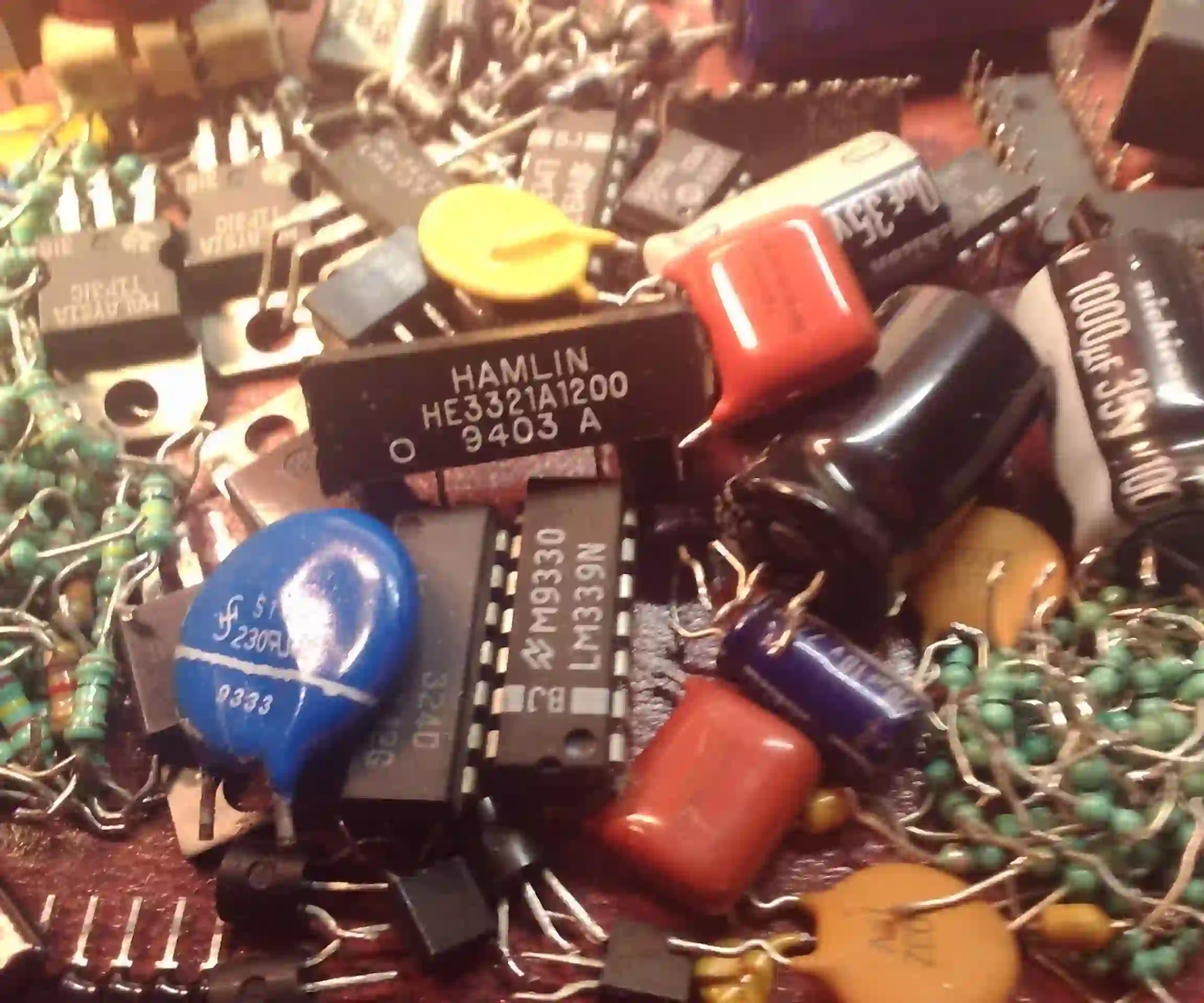
Salvaging SMT Components: A Guide to Reclaiming Parts from Old Electronics
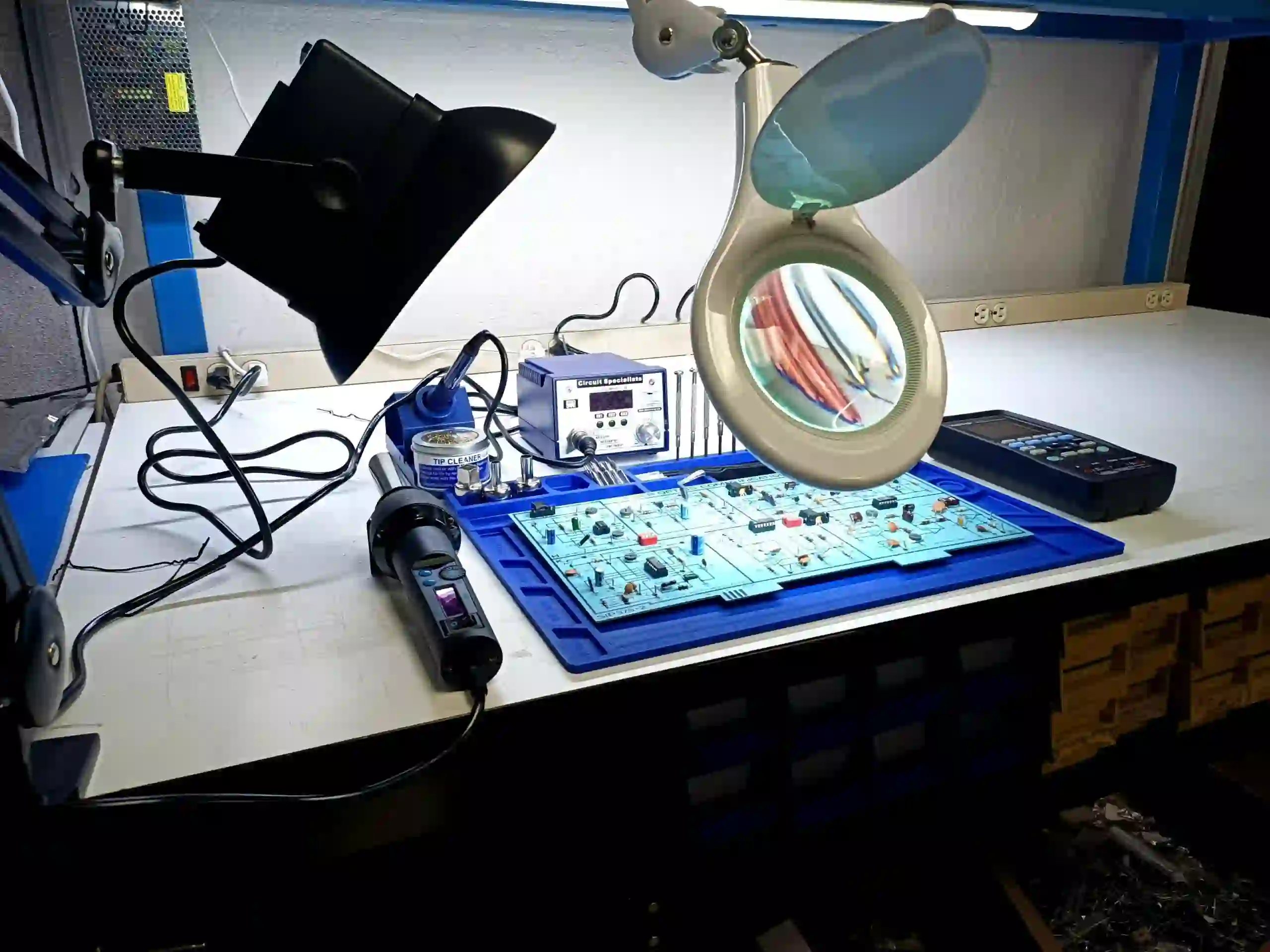
Simplify Your SMT Project: A Beginner's Guide to Surface Mount Soldering at Home
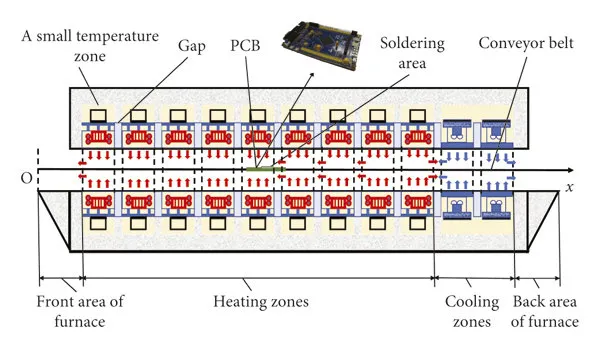
Troubleshooting Reflow Issues with Advanced Thermal Profiling
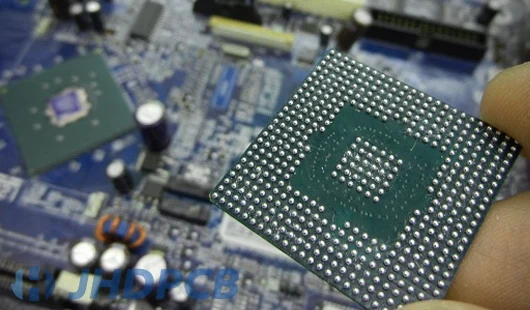
BGA Reballing: Prototype PCB Rework Process
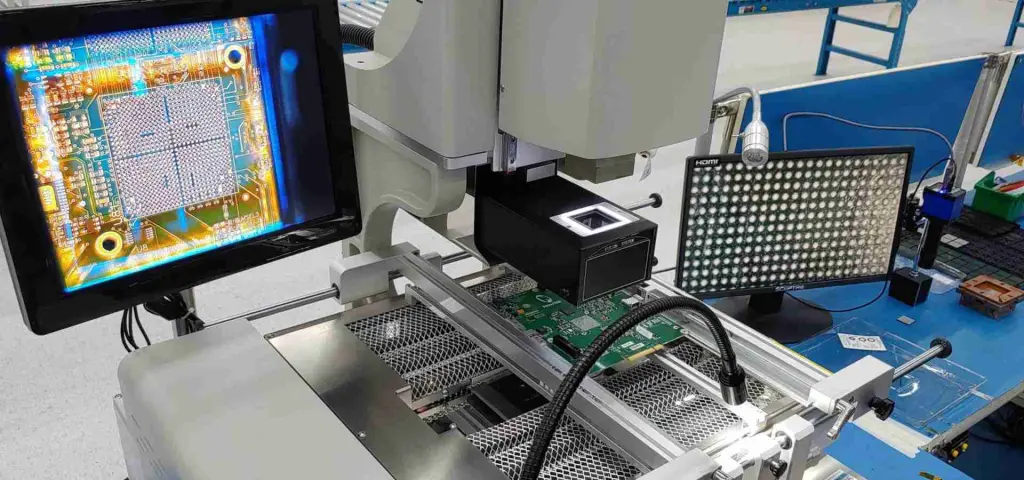
Advanced SMT Rework Techniques: A Comprehensive Guide for Professional Engineers
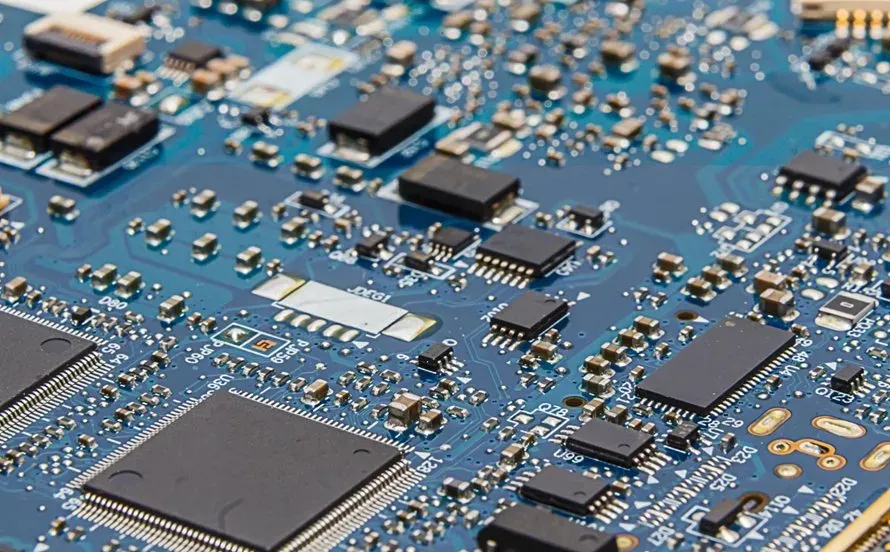
Troubleshooting SMT Assembly Defects: A Comprehensive Guide for Engineers
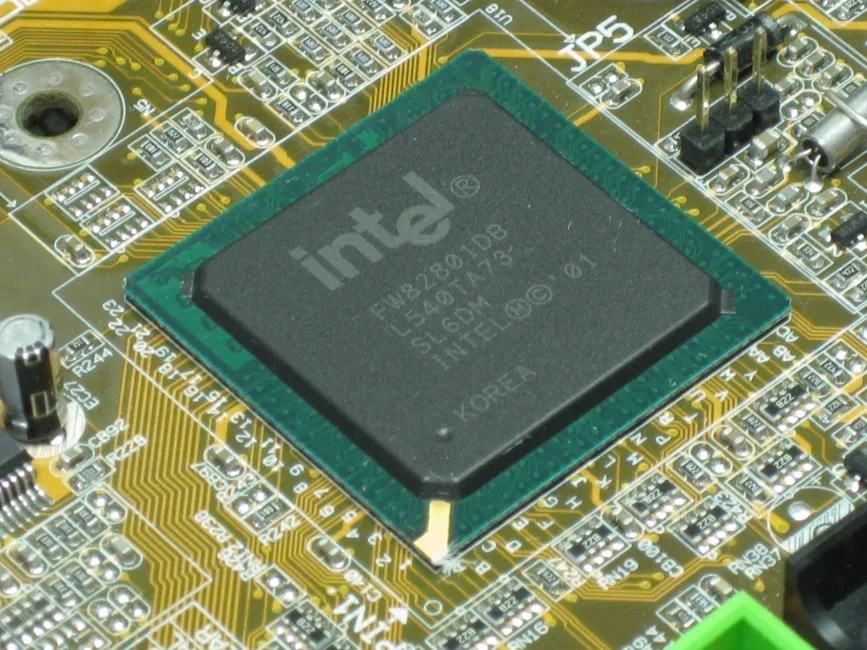
Step-by-Step Guide to Removing and Replacing SMD Components with a PCB Assembly Rework Station
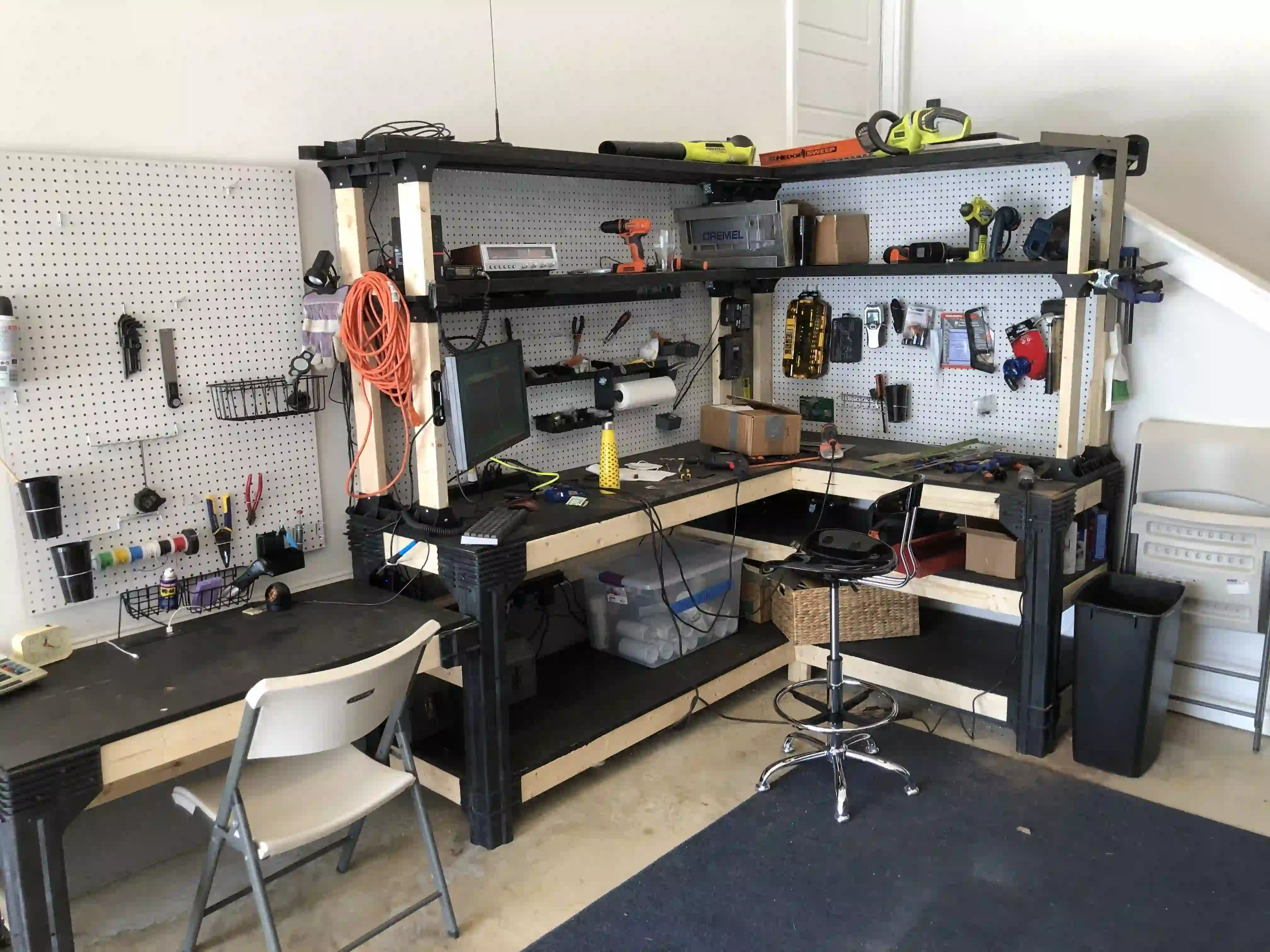
5 Essential Tools for Working with PCB Components in Your Home Lab