Solder Paste Release
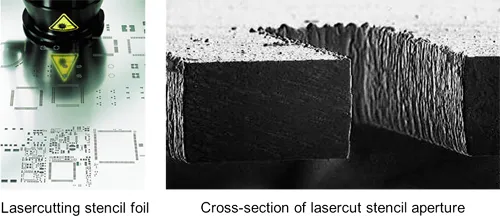
Solder paste release plays a critical role in the surface mount technology (SMT) assembly process, where precise deposition of solder paste onto printed circuit boards (PCBs) determines the quality of solder joints and overall product reliability. This phenomenon refers to the ability of solder paste to cleanly separate from the stencil apertures during the printing stage, ensuring uniform paste transfer without defects such as slumping, bridging, or incomplete coverage. For engineers and technicians involved in PCB manufacturing, understanding solder paste release is essential to minimizing production errors, reducing rework, and optimizing yield rates in high-volume environments. Factors influencing solder paste release include stencil design parameters like aperture size, wall smoothness, and thickness, as well as paste properties such as viscosity, particle size, and flux composition. Practical applications often involve selecting the right stencil materials, such as laser-cut stainless steel or nano-coated options, to enhance release efficiency. Best practices recommend maintaining optimal squeegee pressure and speed during printing, alongside regular stencil cleaning to prevent paste buildup. Troubleshooting common issues, like poor release in fine-pitch components, can involve adjusting environmental controls for humidity and temperature, which directly affect paste rheology. In the articles grouped under the Solder Paste Release tag, readers can find in-depth discussions on these topics, including case studies from real-world assembly lines and step-by-step guides for improving paste formulations. Whether you are debugging stencil printing problems or seeking ways to achieve better first-pass yields, these resources offer valuable insights to refine your processes and stay ahead in electronics manufacturing.
Video Guide
No videos found for this tag.
Technical Articles
Get in Touch
Send Message
- Products & Service
- Company
- About AIVON
- Contact
- News
- Blog
- Certification
-


- Payment
-


2026 AIVON.COM All Rights Reserved