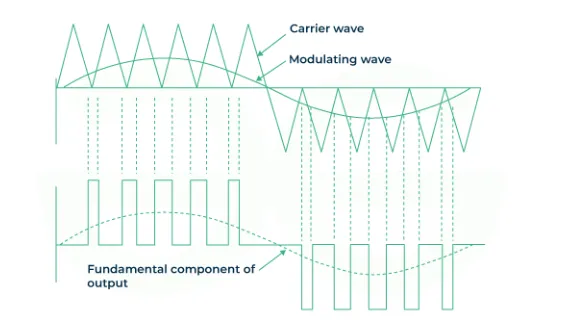
Introduction to PWM Principles and Design
Overview of PWM: definition, frequency and duty cycle, digital encoding of analog signals, and practical applications such as servo and motor speed control.
Analog Technology forms the backbone of countless electronic systems, bridging the gap between the physical world and digital processing. In this category, we delve into the principles and applications of analog circuits, signals, and components that enable precise control and manipulation of continuous variables. From amplifiers and filters to oscillators and sensors, these elements remain essential in modern electronics, even as digital technologies advance. Understanding analog technology equips engineers and hobbyists with the tools to design robust systems that handle real-time data with accuracy and efficiency. Our collection of articles offers comprehensive guides on foundational concepts, such as signal integrity and noise reduction, alongside advanced tutorials on circuit simulation and optimization. Readers will find practical insights into selecting components for high-performance analog designs, including best practices for PCB layout to minimize interference and ensure reliability. Whether you are troubleshooting a voltage regulator or integrating analog interfaces in IoT devices, these resources provide actionable strategies drawn from industry expertise. The real-world relevance of analog technology shines in applications like audio processing, medical instrumentation, and automotive systems, where precision and responsiveness are critical. By examining case studies and innovative approaches within this category, you can enhance your skills in creating efficient, cost-effective solutions. Articles here also address emerging trends, such as hybrid analog-digital systems, helping you stay ahead in evolving fields like renewable energy and telecommunications. Engaging with these topics fosters a deeper appreciation for how analog principles drive technological innovation, making it worthwhile to review multiple pieces for a well-rounded perspective.
Overview of PWM: definition, frequency and duty cycle, digital encoding of analog signals, and practical applications such as servo and motor speed control.
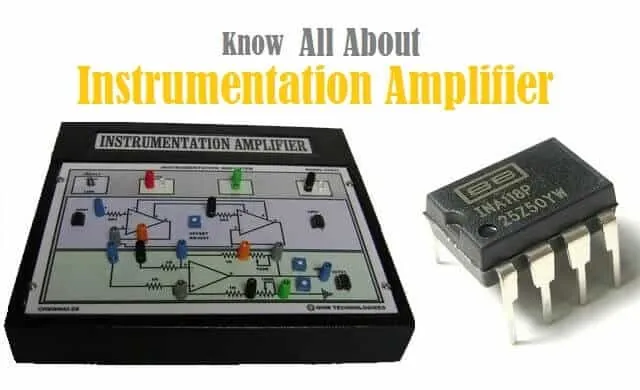
Technical overview of instrumentation amplifier design, operation and gain derivation, covering three-op-amp topology, input buffering and CMRR.
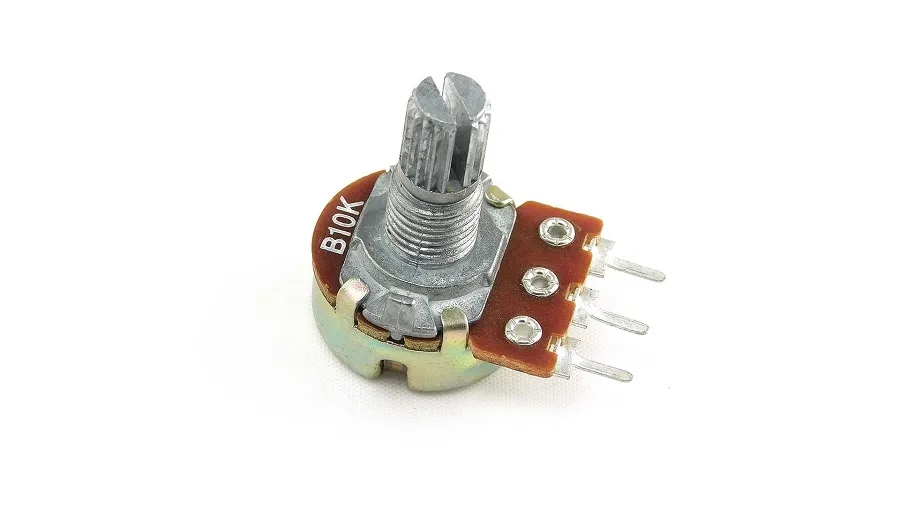
Technical overview of potentiometer types and characteristics (wire-wound, carbon, conductive plastic, digital) and core functions: voltage divider, rheostat, current control
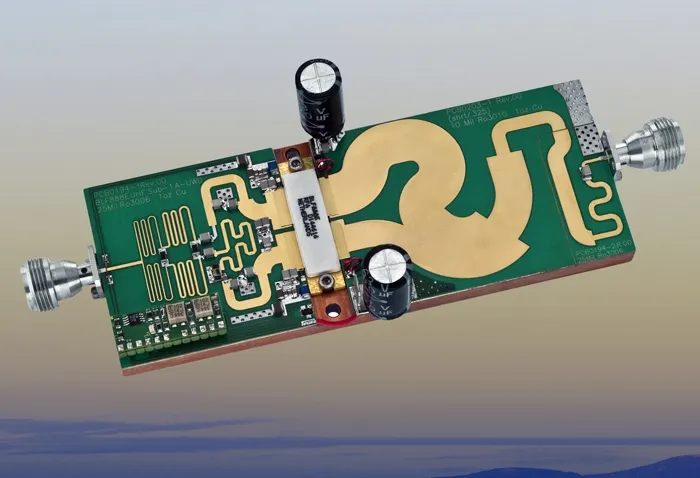
Overview of Doherty amplifier operation, carrier and peaking paths, handling high PAPR to improve RF power amplifier efficiency, variants and trade-offs.
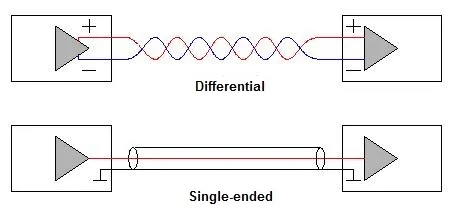
Explains differential output principles, components and advantages, including differential signaling, common-mode rejection and improved noise immunity for circuit design.