Parking sensors and rearview cameras represent two complementary technologies used in modern vehicle parking assistance systems. While both improve driver situational awareness during low-speed maneuvers, they operate on fundamentally different detection principles and present distinct requirements for electronic hardware.
Operating Principles of Parking Sensors
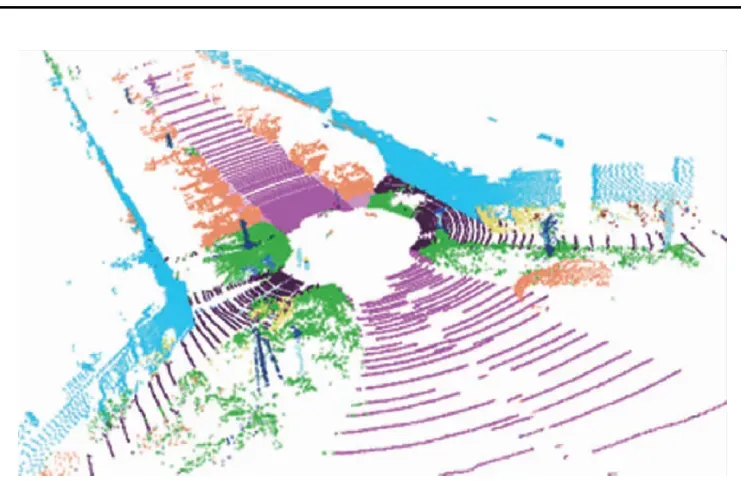
Parking sensors detect nearby obstacles using active ranging technologies. Ultrasonic variants emit high-frequency sound pulses (typically 40–50 kHz) and measure the time-of-flight of returning echoes to calculate distance. Radar-based systems, often millimeter-wave, transmit electromagnetic pulses and analyze reflected signals for the same purpose.
Multiple sensors are usually mounted on the front, rear, and side bumpers. Signal processing algorithms convert raw time-of-flight data into distance values and trigger graduated audible tones or visual indicators on the dashboard or infotainment screen. These systems excel at providing precise proximity data for objects within 0.2–2 meters, even when line-of-sight is obstructed.

Operating Principles of Rearview Cameras
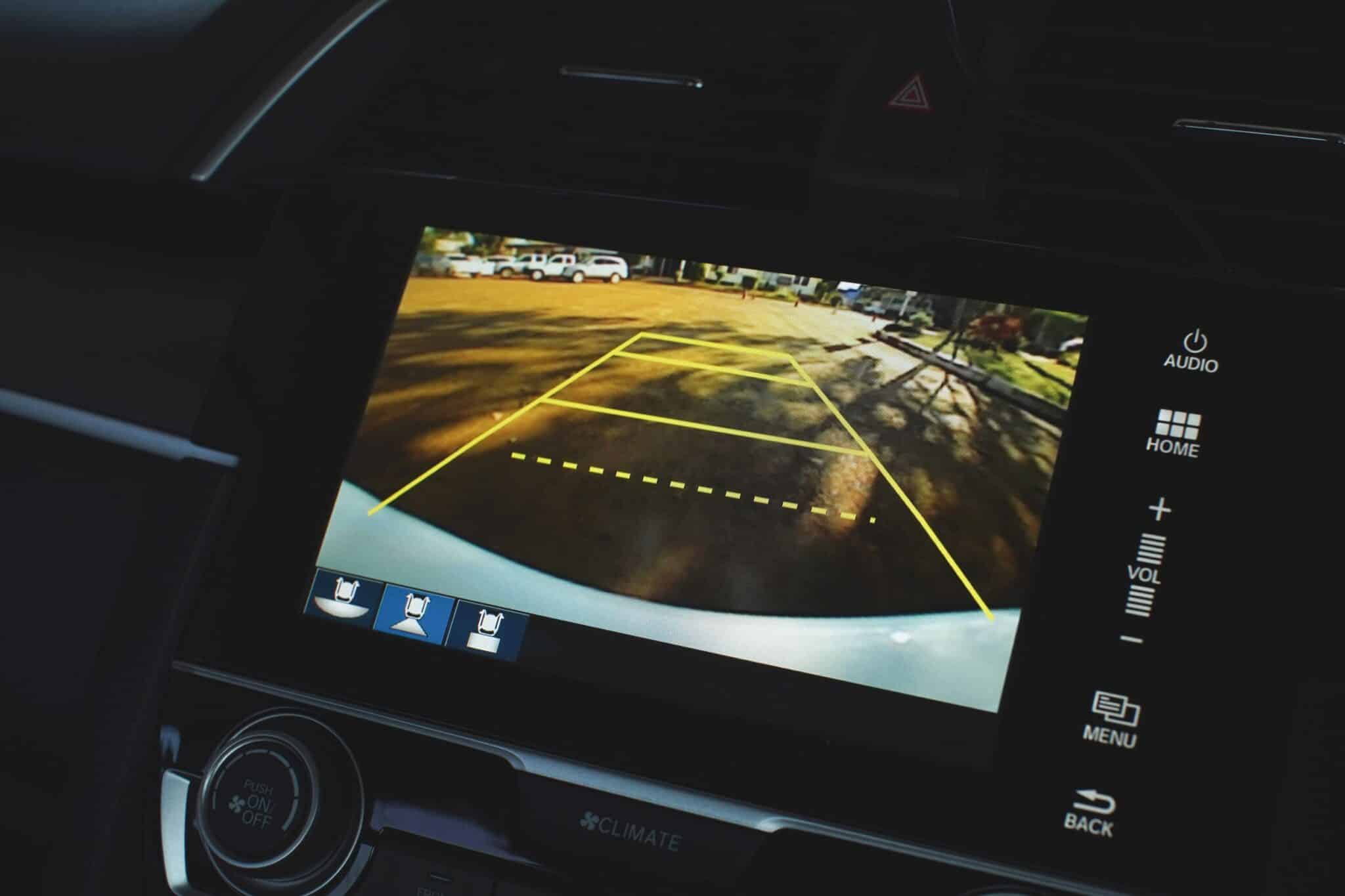
Rearview camera systems rely on optical imaging. A wide-angle lens mounted at the rear of the vehicle captures live video, which is processed and displayed on an in-cabin screen. The camera provides direct visual context, allowing drivers to assess spatial relationships, identify obstacles, and judge distances through perspective and reference lines overlaid on the image.
Modern implementations often include dynamic guidelines that adjust according to steering angle, further aiding precise maneuvering. Because the output is visual rather than ranging-based, these systems are less affected by certain environmental factors that can degrade ultrasonic performance.、
Key Functional Differences
Parking sensors deliver quantitative distance information and operate effectively in conditions where visibility is limited. Rearview cameras supply qualitative visual context and a wide field of view but require the driver to interpret the image. Many vehicles integrate both technologies so that sensors provide immediate proximity alerts while the camera supplies confirmatory visual detail.
Design and Manufacturing Considerations
Integrating these systems into vehicles introduces several engineering constraints. Ultrasonic sensor modules must withstand temperature extremes, vibration, and exposure to water, road chemicals, and debris. Their piezoelectric transducers and associated drive circuitry require robust PCB layouts that minimize electromagnetic interference while maintaining signal integrity for accurate time-of-flight measurements.
Radar modules demand even tighter control over RF trace routing, impedance matching, and thermal management on the PCB. High-frequency signals are sensitive to material dielectric properties and copper thickness variations. Camera modules require high-speed data interfaces (such as MIPI CSI-2) and careful attention to power delivery and grounding to preserve image quality under automotive EMI conditions.
Environmental qualification testing (vibration, thermal cycling, humidity, salt spray) directly influences material selection for substrates, conformal coatings, and component packaging. High-density interconnect (HDI) techniques or flexible PCBs are frequently employed where space is limited or where sensors must conform to curved bumper surfaces.
Industry Trends and System Integration
The shift toward advanced driver-assistance systems (ADAS) and automated parking functions is driving tighter integration between sensors, cameras, and central electronic control units. This increases demand for reliable high-speed interconnects, redundant power architectures, and real-time signal processing on automotive PCBs. Long-term reliability requirements in safety-critical applications further emphasize the need for rigorous design-for-manufacturability practices.
PCB and Electronic Manufacturing Relevance
PCB fabrication and assembly processes directly influence the performance and durability of parking assistance electronics. Precise control of dielectric materials, copper weights, and via structures supports the signal integrity required by ultrasonic drivers and radar transceivers. Camera modules benefit from optimized high-speed routing and EMI shielding techniques. Flexible circuit constructions enable compact, vibration-resistant sensor placement. Thermal management solutions, including metal-core PCBs or embedded heat spreaders, help maintain component reliability in engine-compartment-adjacent locations.
These manufacturing capabilities allow automotive electronics suppliers to meet the stringent quality and environmental standards demanded by vehicle platforms while supporting the ongoing evolution of integrated parking and ADAS features.
Conclusion
Parking sensors and rearview cameras each address specific limitations of human perception during parking maneuvers, yet their effectiveness ultimately depends on the underlying electronic hardware. Ultrasonic and radar ranging systems require precise analog and RF circuitry, while camera modules demand high-speed digital interfaces and robust image processing. Both technologies place significant demands on PCB design, material selection, and assembly processes to ensure long-term reliability under harsh automotive conditions. As vehicle platforms continue to integrate more advanced driver-assistance functions, the ability to produce high-quality, application-specific PCBs and flexible circuits becomes a critical enabler for safe, dependable parking assistance systems.