With rapid technological advances, 3D imaging and sensing technologies are becoming central to digital and intelligent systems. These technologies enhance visual perception and support progress in virtual reality (VR), augmented reality (AR), autonomous driving, medical imaging, and industrial automation. Yole recently published a report titled "3D Imaging and Sensing 2023" that surveys the market and presents data and insights. This article summarizes that report and highlights the roles of 3D imaging and sensing in current and future applications.
Global market size for 3D imaging and sensing
In 2022, global shipments of 3D imaging devices reached 409.6 million units. Mobile consumer devices accounted for 96% of shipments, autonomous driving 2%, and industrial applications 2%; the remainder is negligible.
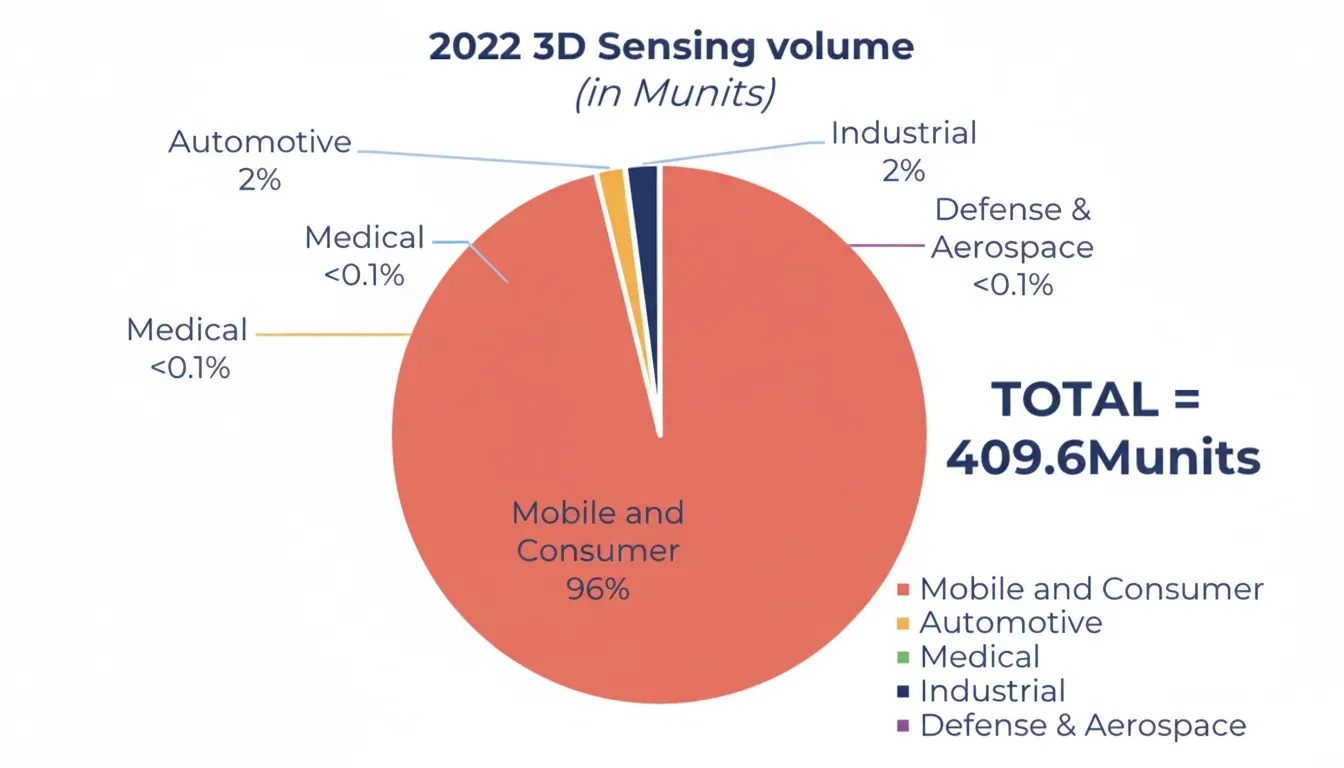
Detailed shipment breakdown includes:
- Mobile phone front cameras: 250 million
- Mobile phone rear cameras: 144 million
- Laptop/tablet front cameras: 5.5 million
- Laptop/tablet rear cameras: 5.5 million
- AR/VR/MR devices: 13 million
- Consumer robots: 2.2 million
- Smart door locks: 1.8 million
- ADAS: 7 million
- Payment/access control: 6 million
- Logistics: 2.44 million
The majority of front-facing phone cameras and many laptop cameras are contributed by a single vendor's products.
Which 3D markets will grow fastest?
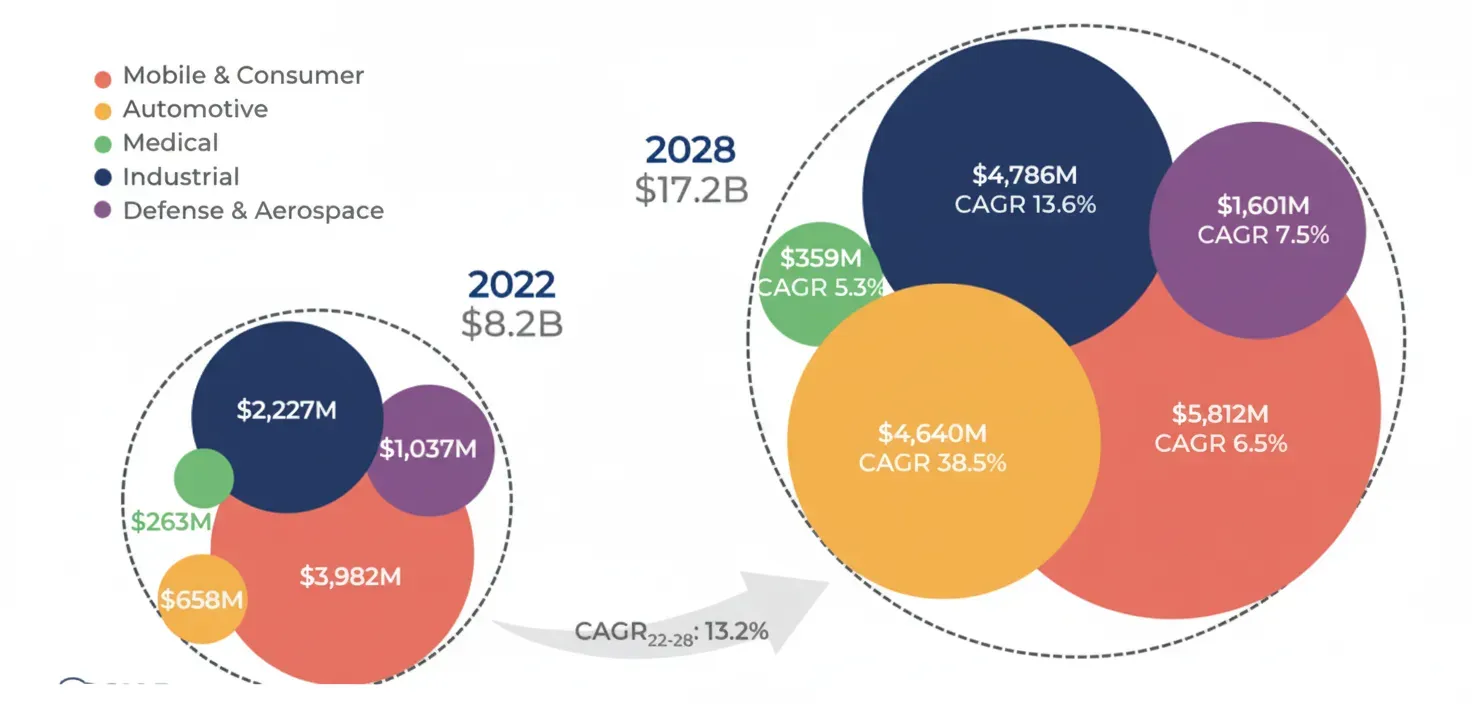
By end-market, the fastest growth is projected in the automotive sector, followed by industrial, defense, and consumer markets. Market value in 2028 is expected to be more than double that of 2022.
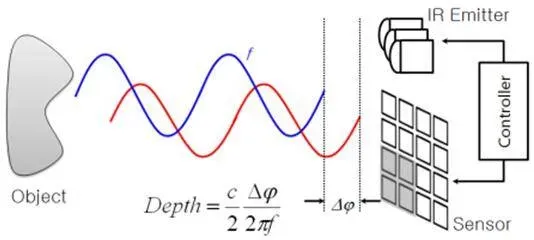
By 3D implementation method, time-of-flight (ToF) shows the highest compound annual growth rate (CAGR) at 20.7%, followed by stereo vision at 17.5%, then laser triangulation, CT, and structured light. Although structured light's growth rate is not the highest, its base is large: nearly 370 million units in 2023.
Automotive: fastest-growing end-market and use cases
Almost all automotive application areas show high growth. ADAS imaging increases from 7.2 million units in 2022 to 14.9 million in 2028. ADAS radar achieves a 77.7% CAGR, rising from 0.23 million in 2022 to 7.31 million in 2028. In-cabin monitoring and access authentication also show rapid growth, with annual CAGRs around 84.3%.
Prices for multi-camera and stereo ADAS systems are expected to fall below $110, which will significantly increase volume. Other drivers for 3D imaging adoption include intelligent door detection, keyless entry identity authentication, and stricter NACP and DMS requirements.
An additional automotive application not detailed in the report is the "magic carpet" active suspension system. The system, originating from Mercedes' active body control and subsequent variants, augments air suspension with active hydraulic modules. A 48V electric hydraulic pump controls hydraulic pressure to manage each wheel's motion independently. Earlier implementations, such as Magic Body Control, scanned the road ahead to prepare and adjust the suspension in real time; the system could preemptively raise one side of the body to mitigate lateral collision forces. In the modern variant, a forward-facing stereo vision solution scans road conditions and coordinates with the air suspension for active control.
Consumer market growth points
Outside smartphones, penetration of 3D imaging in laptops and tablets is rising quickly. Although notebook and tablet volumes are flat, more devices include face recognition modules, and tablets increasingly deploy rear ToF modules.
XR devices and robotic cleaning devices are major drivers for consumer 3D imaging growth.
XR-related 3D imaging is forecast at a 21.3% CAGR. Many XR devices already use ToF cameras: HoloLens 2 uses the ADSD3100 1MP iToF, Magic Leap 2 uses PMD VGA iToF, while other XR devices commonly use stereo cameras.
Robotics overall shows a 10.5% CAGR, but robots equipped with 3D imaging reach 44.5% CAGR. In the robot vacuum market, units with 3D imaging increase yearly, with penetration rising from 9.4% in 2022 to 58.8% in 2028.
Smart locks and smartwatches also show incremental 3D penetration in the consumer segment.
A large drone market highlighted in the report
Careful review of the report reveals a large market opportunity in drones. In 2022, the drone industry grew 34% in total output value, surpassing 100 billion CNY for the first time. In consumer drones, China already accounts for 74% of the global market, and China holds 55% of the industrial drone market. Since around 2016, automatic obstacle avoidance has become a basic requirement for drones.
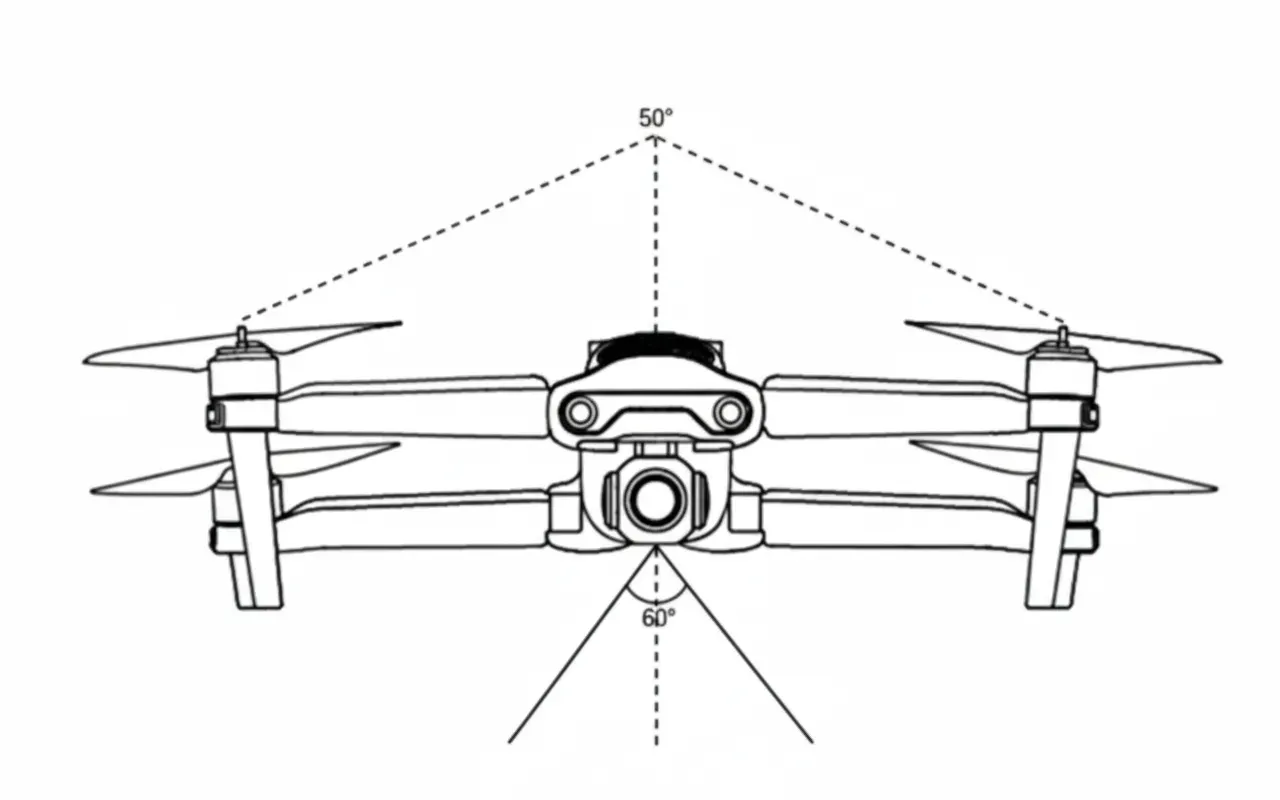
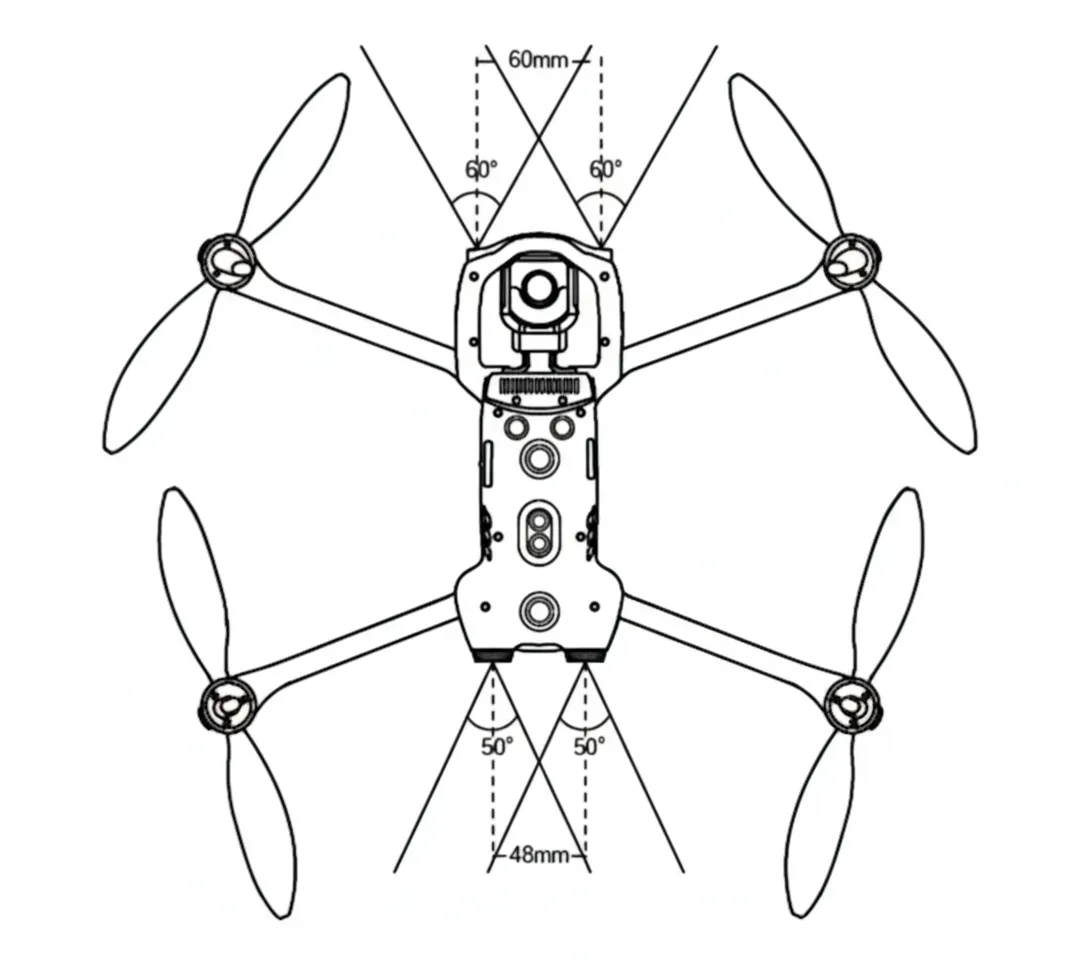
For example, the EVO II series adopts visual obstacle avoidance similar to human binocular distance perception: image data is used to calculate distance to obstacles, and the aircraft stops forward motion when an obstacle is detected. The EVO II uses 12 cameras for obstacle avoidance and an omnidirectional obstacle perception system covering front, rear, up, down, left, and right, with two visual sensors per direction.
Conclusions
This summary highlights several current and future growth areas for 3D imaging. In a more digital and intelligent future, 3D perception will be a key element across many industries. Engineers still have substantial work to do, particularly in addressing practical issues of accuracy, environmental robustness, and hardware calibration in 3D imaging systems.