Introduction
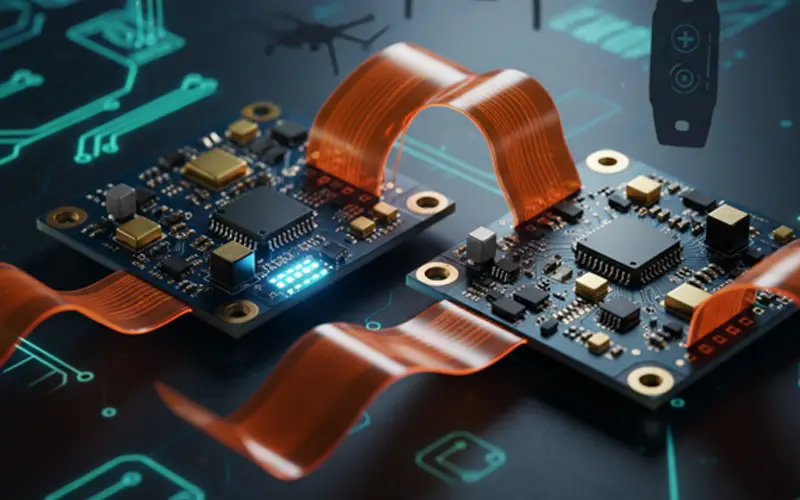
The rapid advancement of electronics toward smaller and more ergonomic form factors has elevated the role of flexible printed circuits from niche components to essential architectural elements. Unlike traditional rigid boards, flexible circuits allow engineers to solve complex packaging challenges by folding, bending, and conforming to the natural shapes of high performance devices. This versatility is driving innovation across sectors such as aerospace, consumer electronics, and healthcare.
For technical decision makers and engineers, understanding flexible PCB applications is about more than just physical flexibility. It requires a systematic approach to balancing electrical performance with mechanical durability. This sub-pillar page provides a structured framework to help you navigate the unique design requirements and manufacturing considerations associated with high growth flexible electronic sectors.
Core Framework for Flexible PCB Application and Implementation
Implementing flexible circuitry requires a departure from standard rigid design logic. The primary goal is to integrate electronic functionality into spaces where rigid boards cannot go while maintaining signal integrity and mechanical longevity. To master this, one must understand the three pillars of flexible application: form factor optimization, material stability, and environmental resistance.
Flexible circuits typically utilize a polyimide substrate which provides excellent thermal stability and mechanical strength in a very thin profile. Engineers must classify their projects based on the nature of the application. Is the circuit a static flex intended for a one time fold during assembly, or a dynamic flex that must withstand millions of cycles? Establishing this framework allows teams to select the appropriate copper weights and adhesive systems early in the design phase, preventing costly failures during the production cycle.
Engineering Flexible Interconnects for Smart Eyewear and AR Displays
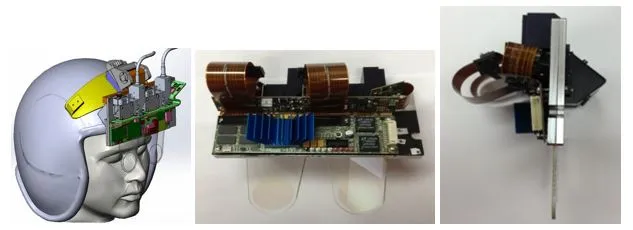
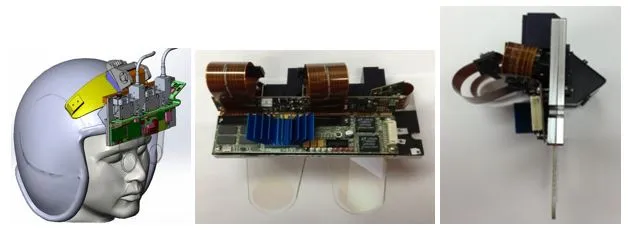
While traditional electronics often rely on rectangular housing, smart eyewear presents a unique challenge where circuitry must wrap around the curved frames of glasses while housing sensors and displays. The integration of advanced features like augmented reality requires a significant amount of processing power and connectivity in a highly restricted volume.
The transition from standard wearables to head mounted displays necessitates a focus on extreme miniaturization and specialized stackup configurations. Achieving high performance in these devices depends on specialized smart eyewear PCB design techniques that prioritize weight reduction and heat dissipation. Because these circuits are located near the head of the user, thermal management and material safety are paramount. Designers must select substrates that maintain their electrical properties while being thin enough to fit within the narrow temples of the frames, ensuring a seamless user experience.
Flexible PCB Application in Health Tech and Medical Wearable Design
Moving from consumer electronics to the medical field requires a shift in priorities toward clinical accuracy and long term reliability. Medical wearables often function as continuous diagnostic tools that must remain comfortable for the patient while surviving constant exposure to movement and moisture.
The requirements for health monitoring devices extend beyond basic flexibility to include biocompatibility and high signal sensitivity. Success in this sector requires a specialized approach to health tech wearable design where the focus is on robust interconnects that can handle the rigors of daily wear. These circuits must process delicate physiological signals while maintaining a stable connection to power sources and communication modules. By utilizing advanced materials and protective coatings, manufacturers can create devices that meet the strict reliability standards required for medical certification and patient monitoring.

Cross-Industry Synergies in Miniaturization and Ergonomics
The development of flexible applications in eyewear and medical tech reveals significant overlap in engineering challenges. Both sectors require high density interconnects and advanced power management to support multifunctional capabilities in small packages. Innovations in one field, such as the use of ultra thin stiffeners for component support, often find immediate utility in the other.
Understanding these synergies allows engineers to apply proven methodologies across different product lines. For example, the moisture protection techniques developed for medical grade wearables can enhance the durability of consumer smart glasses. When viewed as a unified system, these applications demonstrate that the core principles of flexible engineering, such as neutral axis bending and optimized trace geometry, are universal regardless of the specific end use.
Manufacturing and Quality Considerations for Flexible Electronics
From a manufacturing perspective, the success of a flexible PCB application depends on a robust design for manufacturing strategy. Flexible circuits are more sensitive to handling and process variations than rigid boards, requiring specialized equipment and precise chemistry for plating and etching.
Business to business decision makers must prioritize collaboration with manufacturing partners who have a deep understanding of flexible material behavior. This includes evaluating panel layout efficiency to manage material costs and implementing rigorous testing protocols like cross sectioning and thermal shock testing. Maintaining high quality standards ensures that the final assembly can withstand the mechanical and thermal stresses it will encounter in the field. A structured focus on reliability from the initial prototype phase through mass production is the most effective way to mitigate risk and achieve a high return on investment.
Summary of Flexible Application Principles
The strategic use of flexible PCBs enables the creation of a new generation of electronics that are more integrated and human centric than ever before. By mastering the fundamental principles of flex circuit architecture, engineers can solve the most difficult packaging and reliability challenges in industries like smart eyewear and medical technology. This systematic understanding allows for the creation of devices that are not only functional but also durable and cost effective. As the industry continues to move toward more complex wearable and portable solutions, the ability to effectively implement flexible circuitry will remain a core competency for successful hardware engineering teams. Focus on material selection, mechanical constraints, and manufacturing best practices provides the foundation necessary for excellence in any flexible electronic application.