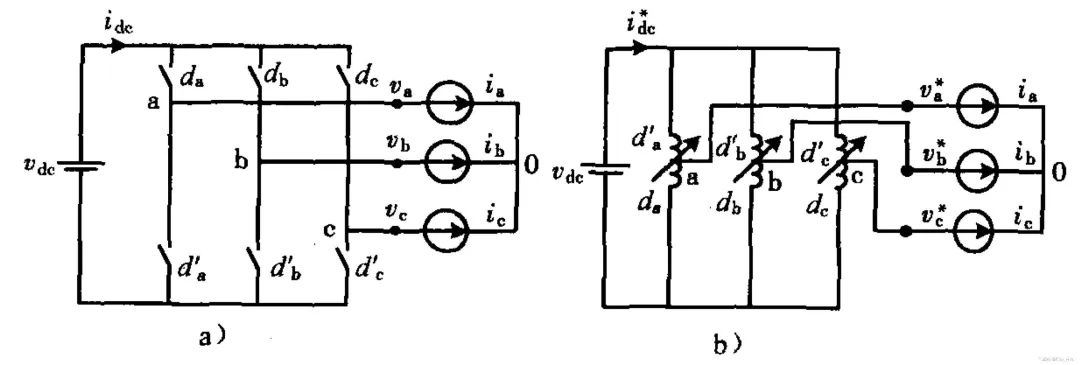
Mathematical Model of Three-Phase SVPWM Voltage Inverter
Technical overview of three-phase inverter modeling: circuit topology, abc/alpha-beta/dq-frame mathematical models using Clarke and Park transforms for controller design.
Technical overview of three-phase inverter modeling: circuit topology, abc/alpha-beta/dq-frame mathematical models using Clarke and Park transforms for controller design.
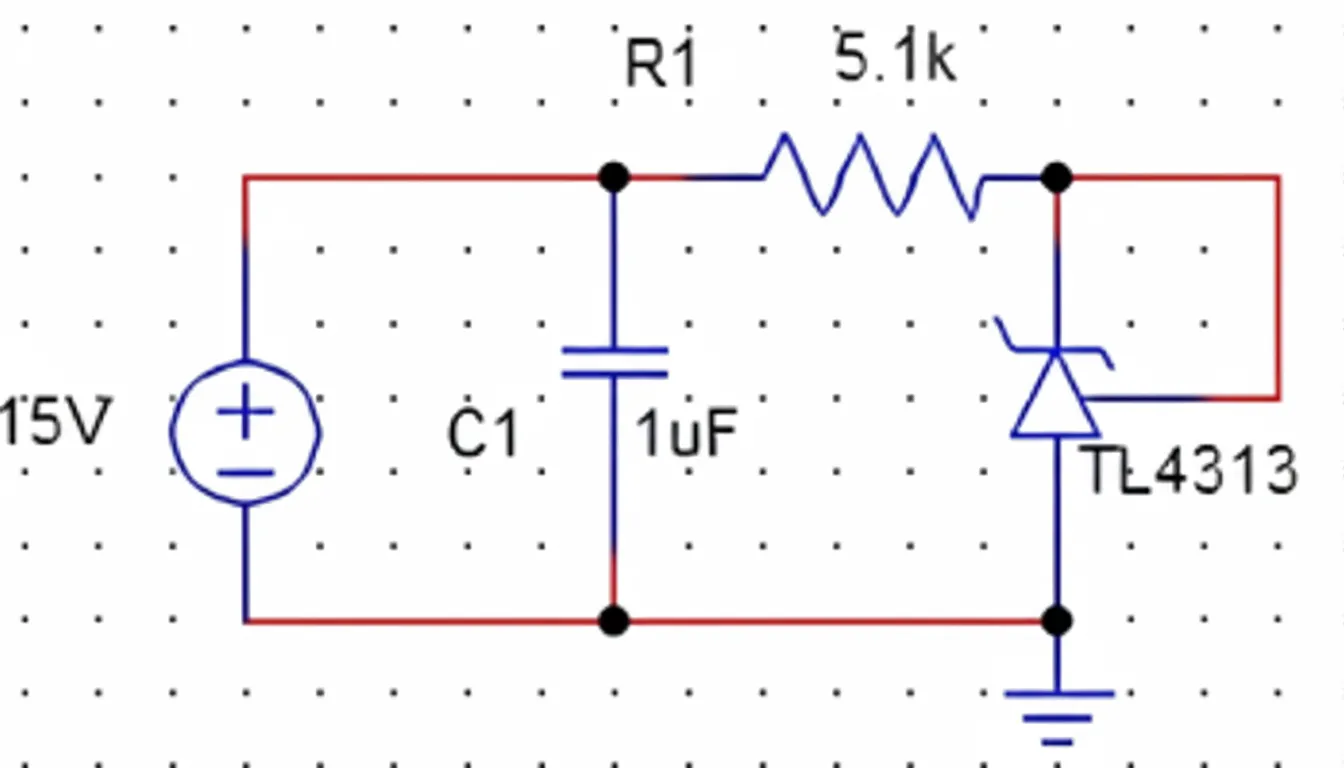
Review of constant-current source topologies: op-amp with TL431 reference, two-NPN Vbe current source, and TL431-plus-transistor design with analysis and simulations.
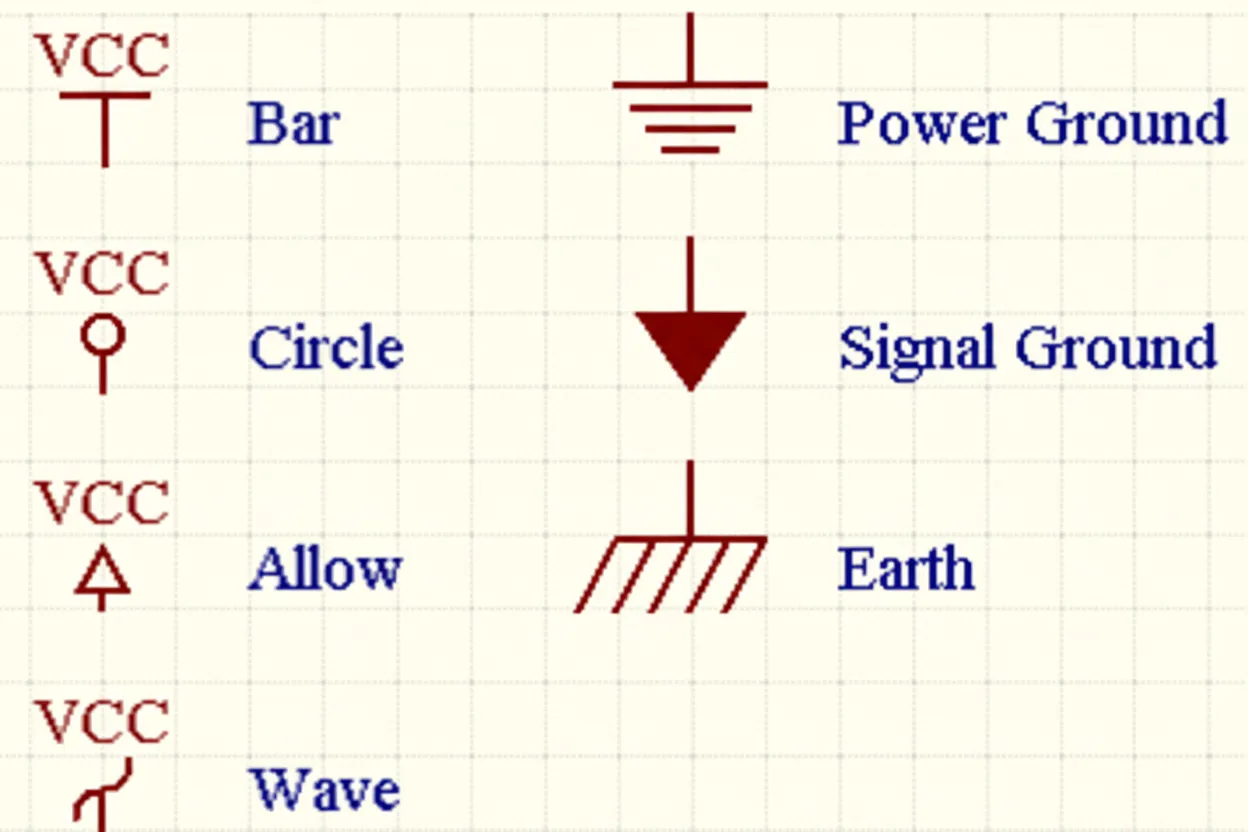
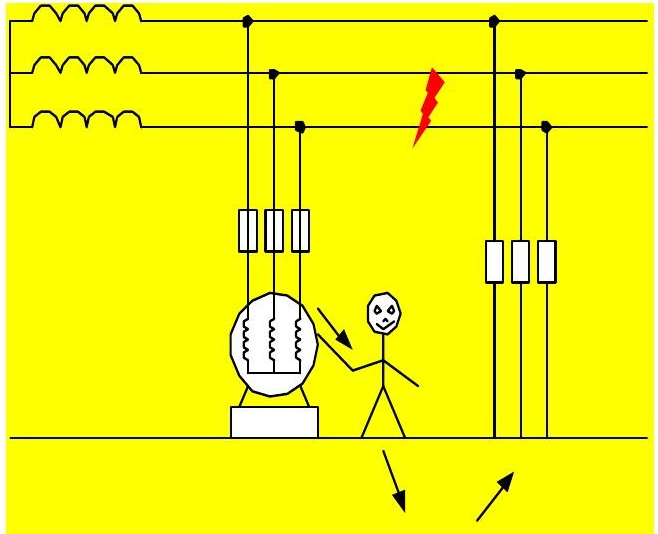
Technical guide to protective earth (PE), neutral (N), grounding types and best practices for wiring, earthing, ground symbols, and safety to prevent live earth faults.
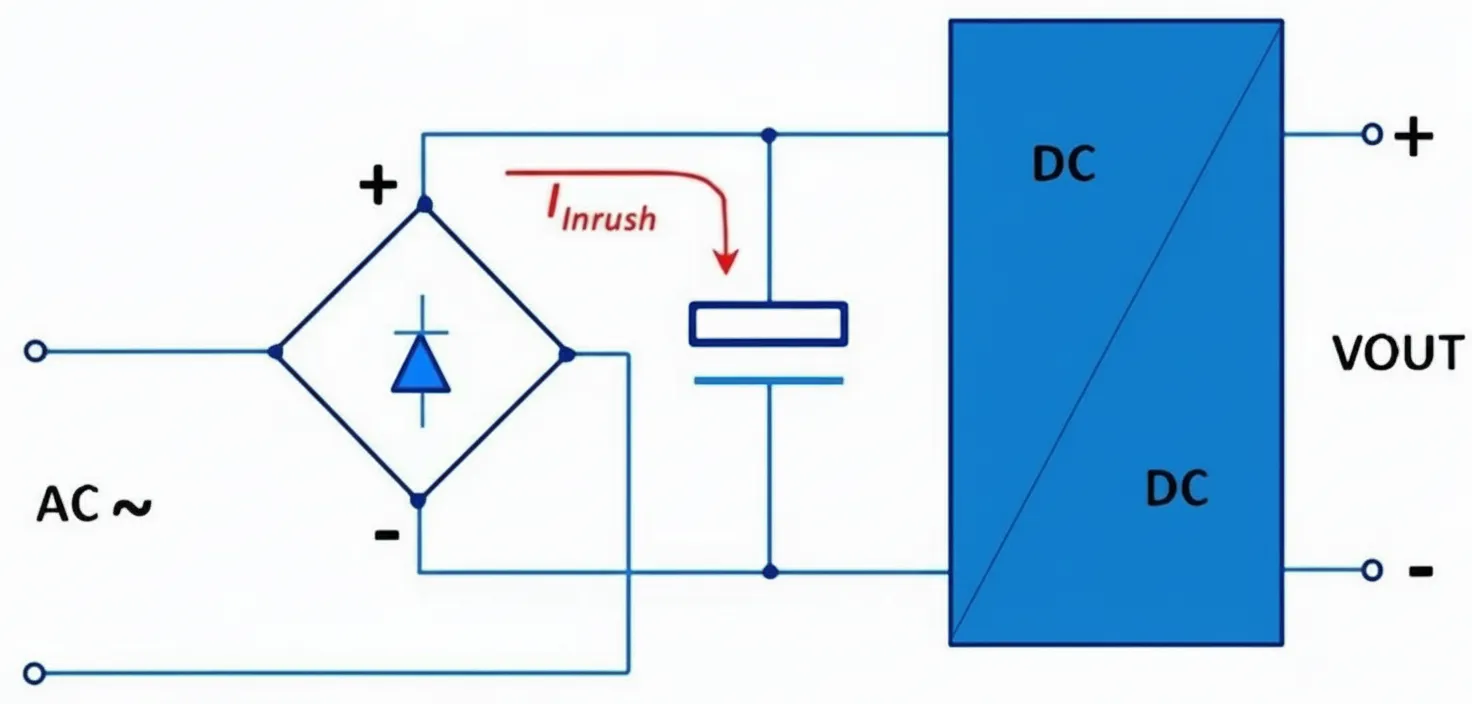
Six practical methods to reduce start-up inrush current in SMPS, including NTC/PTC thermistors, series resistors, SCR bypass, and controlled MOSFET switching.
Comparison of BJT, op amp, and zener diode constant-current circuits, explaining operating principles, biasing, and how each maintains steady load current under VCC changes.
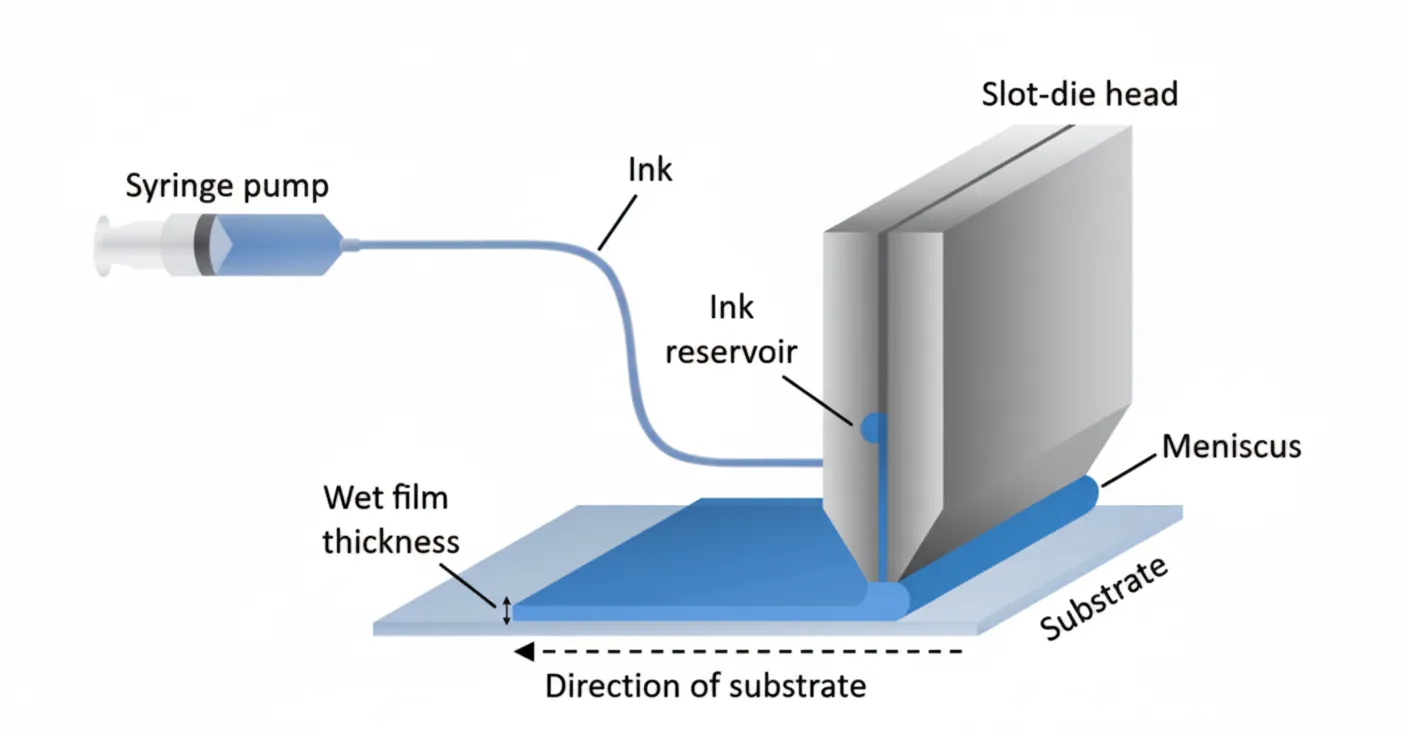
Slot-die coating overview, principles, advantages, limitations and scalability for thin films; covers small-scale tools, roll-to-roll integration and thickness control.
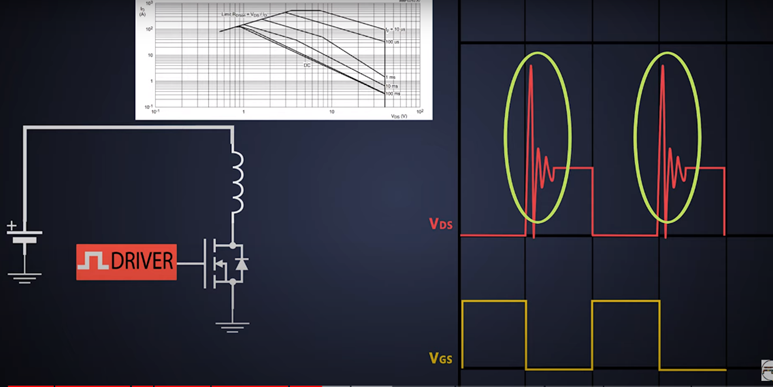
Mitigating high-frequency oscillation in switching power supplies: RCD snubber design and ferrite strategies to reduce MOSFET switching and diode reverse recovery noise.
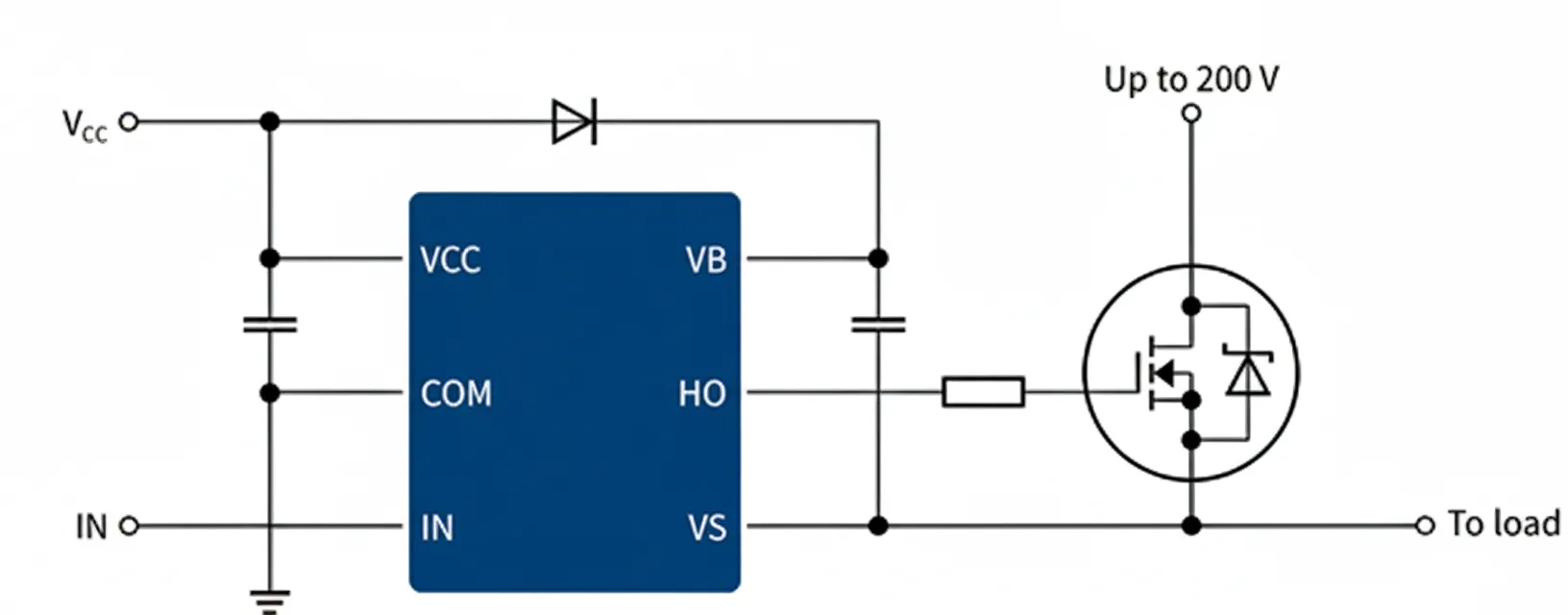
Technical guide to MOSFET power-switch topologies—NMOS low-side, NMOS high-side (bootstrap/charge pump) and PMOS high-side—with gate driver and Vgs design considerations.
Explains ground resistance and grounding types, safety requirements (including ≤4 Ω limit), calculation basis, soil and material effects, grounding methods and application scenarios.
Explains how a traction charger uses residual battery voltage to bias Q1 and DB3, allowing the thyristor to trigger and the secondary output to supply charging current.
Technical overview of an electric scooter charger circuit detailing LM358-based overcurrent protection, charging current thresholds, LED indicators and fan control.
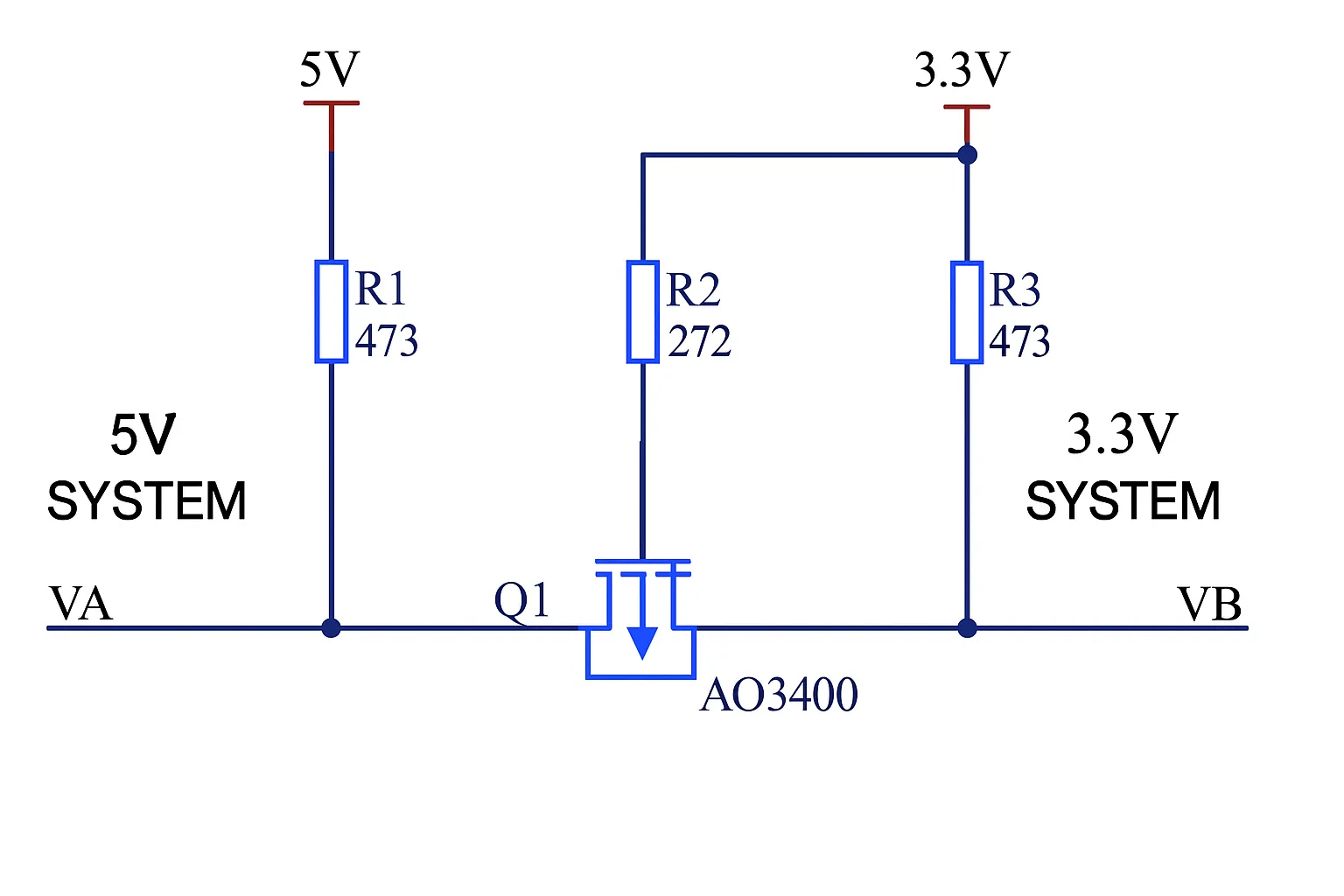
Technical guide to a bidirectional level shifter for I2C, converting SDA/SCL between 5V and 3.3V using a single-transistor circuit with pull-up resistors.