Key PCB Layout Guidelines for Buck Converters
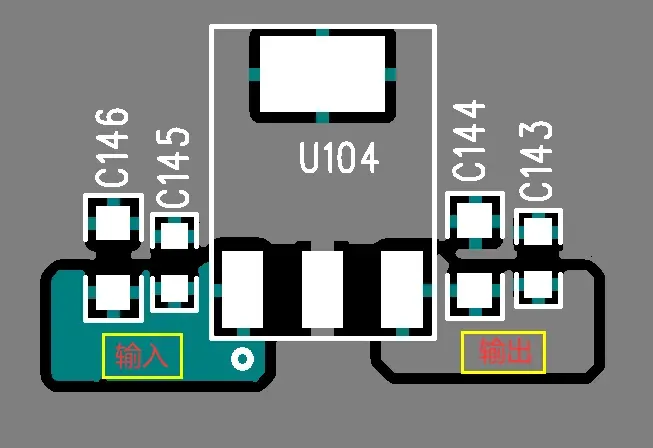
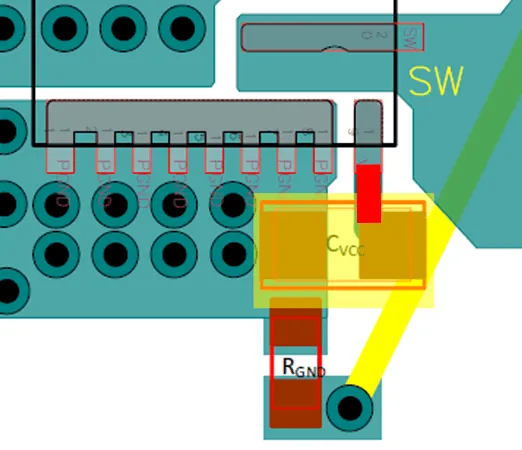
PCB layout guidelines for DC-DC buck converters: minimize power-loop and SW-node area; place VIN decoupling close; size vias/copper for current/thermal; keep FB/AGND short.
Power and new energy solutions represent a critical frontier in modern electronics, where innovative PCB designs drive efficiency, sustainability, and performance across diverse applications. In this Power & New Energy Solutions category, we delve into the technologies shaping the future of energy management, from advanced power supplies and renewable energy systems to smart grid integrations and energy storage solutions. Our focus extends to the intricate role of printed circuit boards in optimizing power distribution, minimizing losses, and enabling seamless integration with emerging energy sources like solar, wind, and electric vehicles. Professionals in electronics engineering and PCB design will find valuable resources here, including detailed guides on selecting components for high-efficiency power converters, tutorials on implementing energy-harvesting techniques, and insights into regulatory standards for sustainable energy projects. We also share best practices for thermal management in power-intensive applications, ensuring reliability in demanding environments such as industrial automation and automotive electrification. The practical value of these topics lies in their direct impact on real-world challenges, such as reducing carbon footprints through efficient energy use or enhancing battery life in portable devices. By addressing both foundational concepts and cutting-edge advancements, our content equips readers with the knowledge to tackle complex projects and innovate in a rapidly evolving field. As you browse the articles in this category, you'll uncover strategies to improve system performance, navigate design trade-offs, and stay ahead of industry trends, fostering informed decisions that advance your work in power and energy technologies.
PCB layout guidelines for DC-DC buck converters: minimize power-loop and SW-node area; place VIN decoupling close; size vias/copper for current/thermal; keep FB/AGND short.
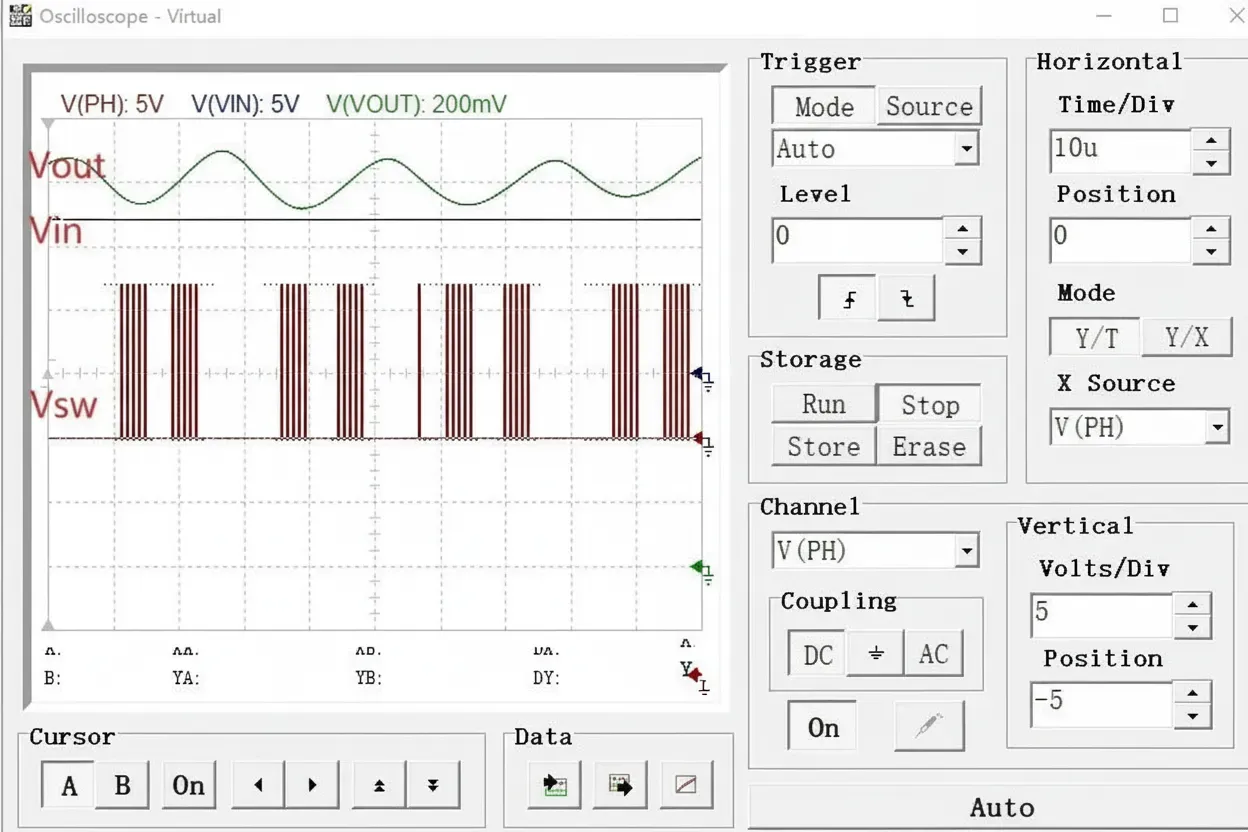
Analysis of a 12 V to 1.2 V Buck converter exhibiting persistent Vout jitter and irregular Vsw after power-up; investigates causes such as insufficient output capacitance.
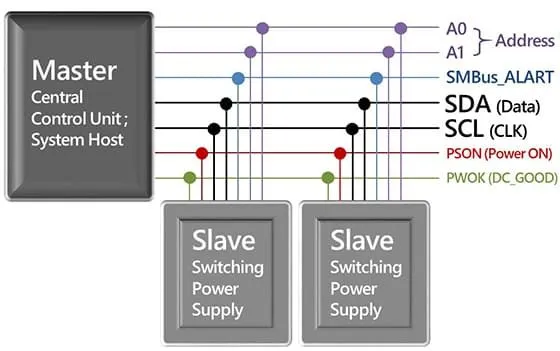
Overview of communication interfaces for digital power: RS-232, RS-485, CAN and TCP/IP principles, level translation and typical transceiver circuits.
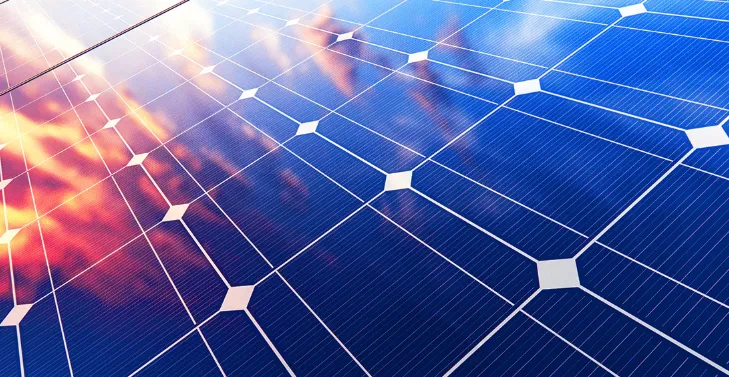
Learn about solar PCB design requirements for inverters and MPPT controllers. This guide covers thermal management and materials for crystalline silicon, perovskite, and tandem solar cells.
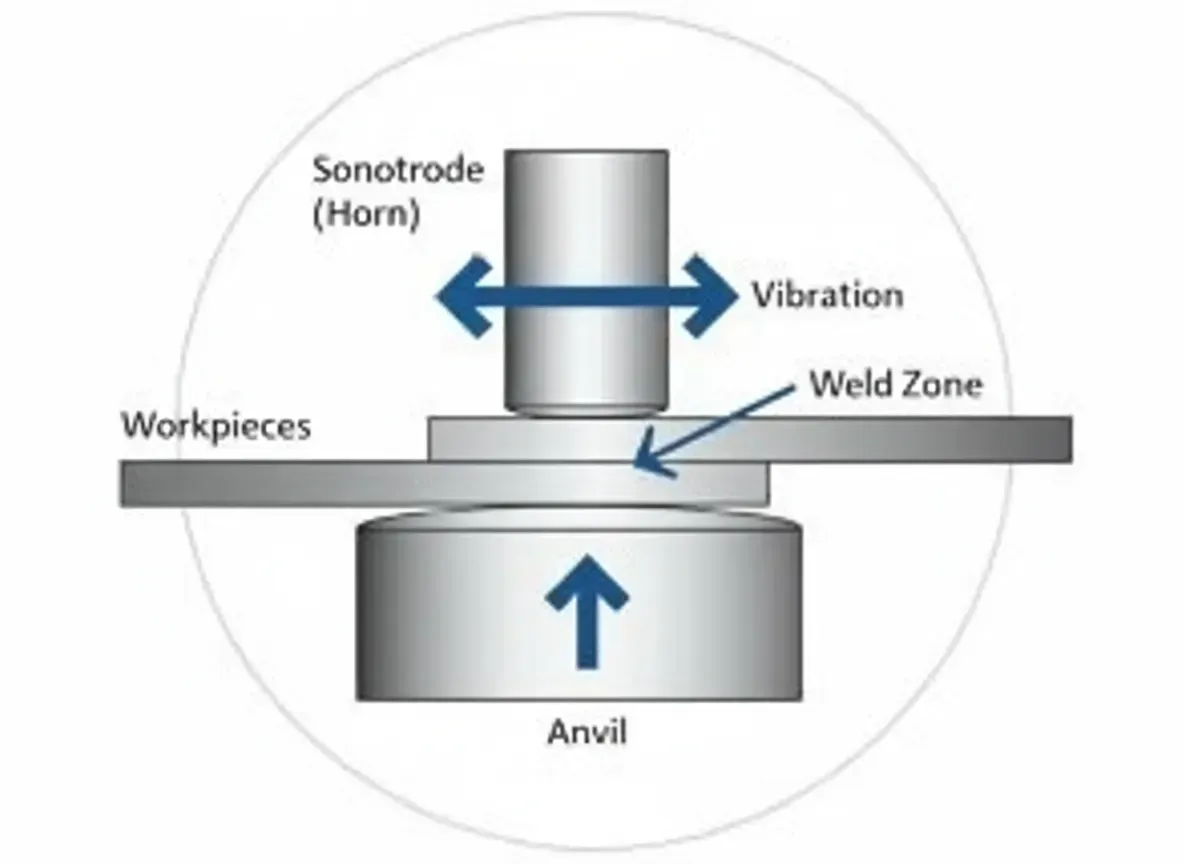
Analysis of ultrasonic welding solutions for thicker EV charging cables: GMX-20-DP direct-press design, improved tooling, higher clamping force and reduced amplitude.
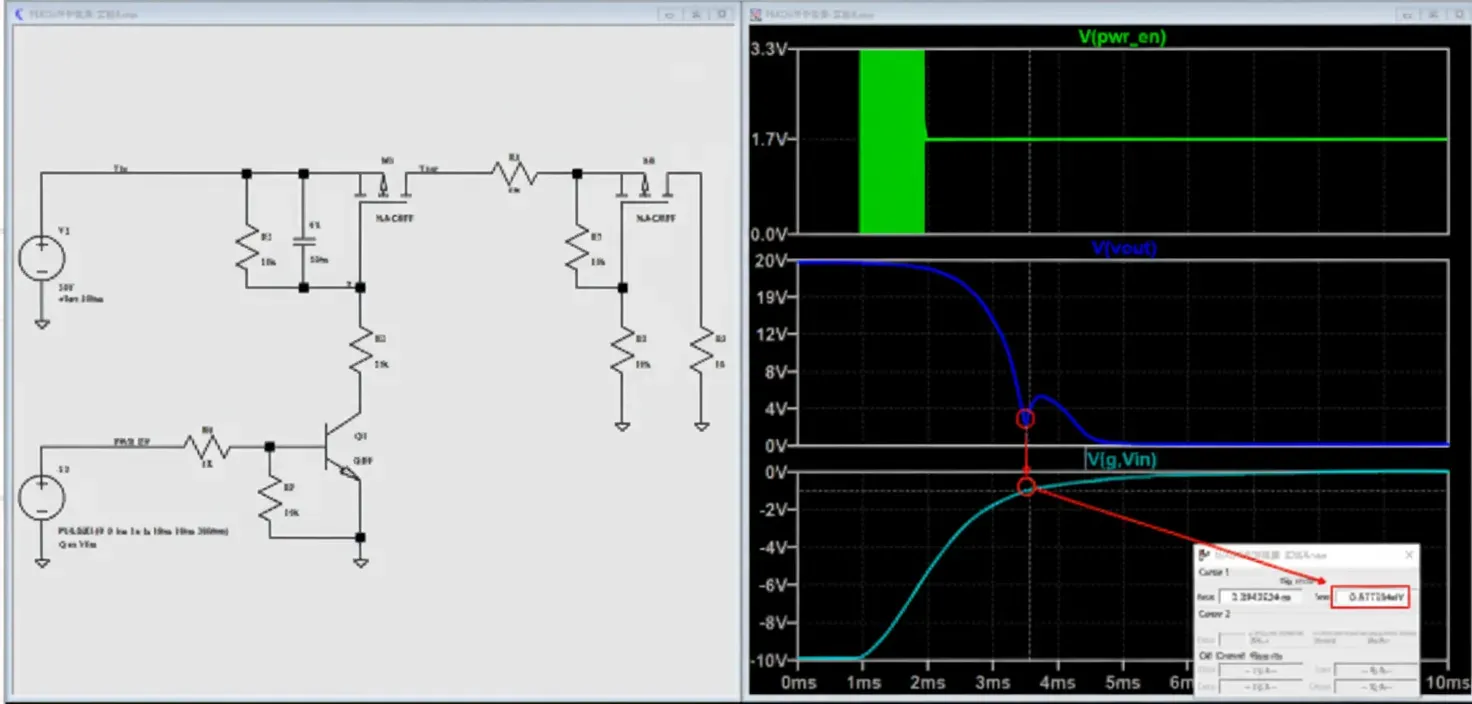
Explains Vout rebound during PMOS turn-off: how load impedance changes cause a voltage rise and mitigation via faster switching or an output filter capacitor.
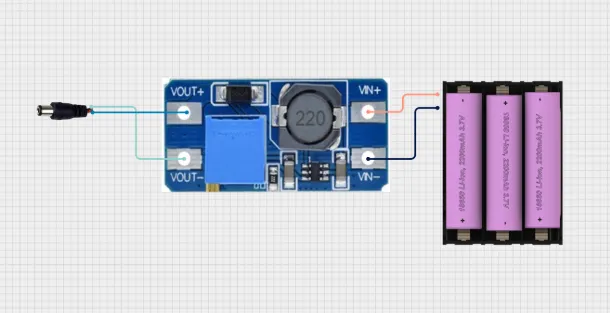
Guide to using the MT3608 boost regulator to convert single-cell Li-ion 3.0-4.2 V input to a regulated 5.0 V, with feedback resistor sizing and low quiescent current.
Learn essential SMPS PCB design techniques to improve efficiency and reduce EMI. This guide covers topology selection plus power loop optimization and layout strategies for reliable power electronics.
Practical guidance for DC-DC and LDO power design: thermal, dropout, capacitor selection, trace/via parasitics, switching frequency, EMI and PCB routing best practices.
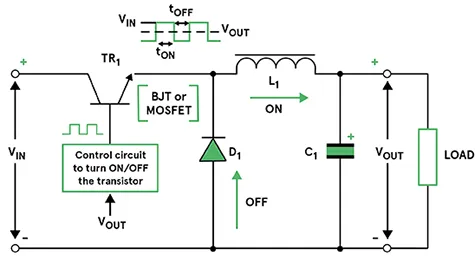
Compare LDO and DC-DC converter characteristics, efficiency, noise, topologies, component/layout trade-offs, and guidance on choosing regulators for step-up and step-down designs.
Examines EV adoption, lithium-ion battery pack manufacturing challenges and how machine vision and AI improve inspection accuracy, safety, and throughput.
Technical overview of solid-state batteries, solid electrolyte types and impacts on polymer materials, including ionic conductivity, manufacturing and industry implications.