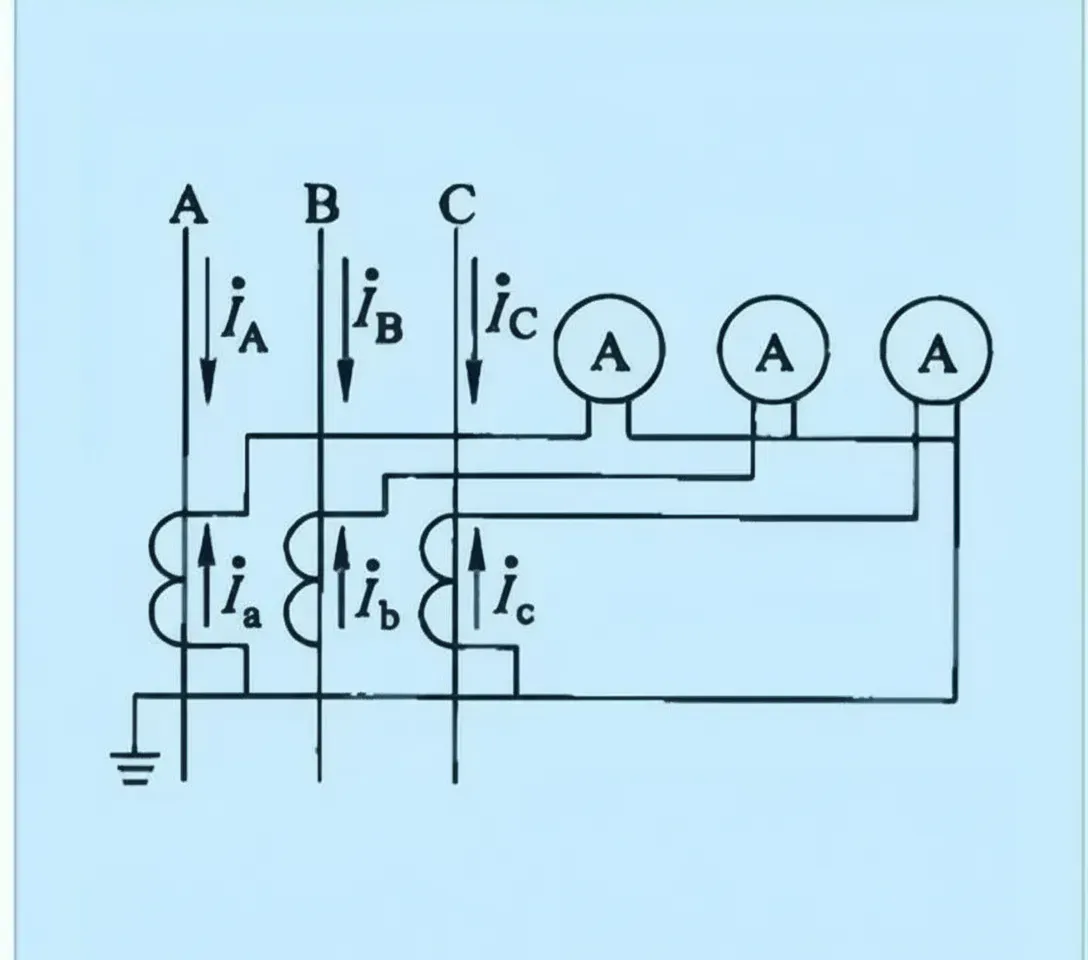
Common Current Transformer Wiring Configurations
Overview of current transformer (CT) wiring schemes - single CT, incomplete star, differential, star/delta, and zero-sequence configurations for measurement and protection.
Power and new energy solutions represent a critical frontier in modern electronics, where innovative PCB designs drive efficiency, sustainability, and performance across diverse applications. In this Power & New Energy Solutions category, we delve into the technologies shaping the future of energy management, from advanced power supplies and renewable energy systems to smart grid integrations and energy storage solutions. Our focus extends to the intricate role of printed circuit boards in optimizing power distribution, minimizing losses, and enabling seamless integration with emerging energy sources like solar, wind, and electric vehicles. Professionals in electronics engineering and PCB design will find valuable resources here, including detailed guides on selecting components for high-efficiency power converters, tutorials on implementing energy-harvesting techniques, and insights into regulatory standards for sustainable energy projects. We also share best practices for thermal management in power-intensive applications, ensuring reliability in demanding environments such as industrial automation and automotive electrification. The practical value of these topics lies in their direct impact on real-world challenges, such as reducing carbon footprints through efficient energy use or enhancing battery life in portable devices. By addressing both foundational concepts and cutting-edge advancements, our content equips readers with the knowledge to tackle complex projects and innovate in a rapidly evolving field. As you browse the articles in this category, you'll uncover strategies to improve system performance, navigate design trade-offs, and stay ahead of industry trends, fostering informed decisions that advance your work in power and energy technologies.
Overview of current transformer (CT) wiring schemes - single CT, incomplete star, differential, star/delta, and zero-sequence configurations for measurement and protection.
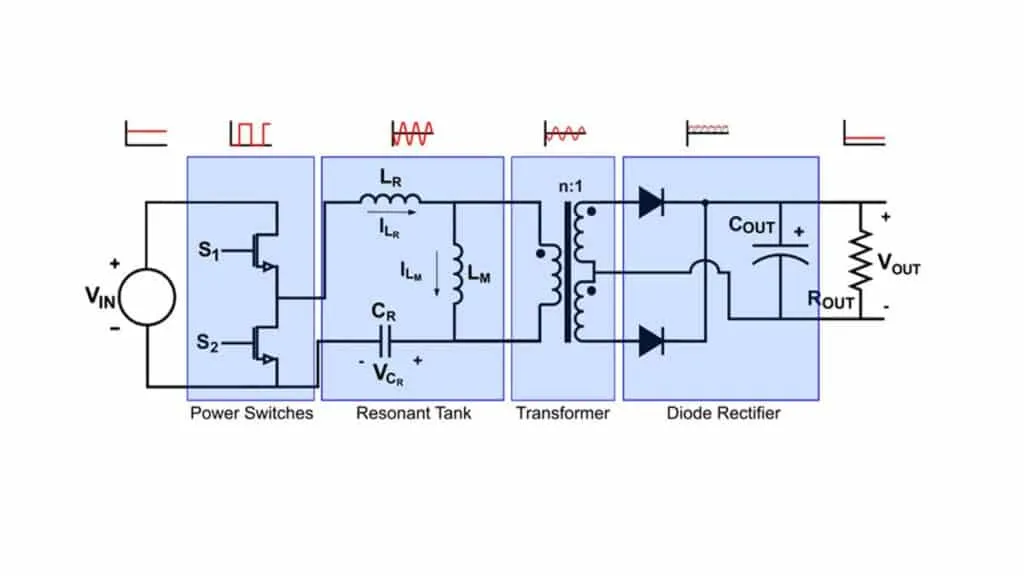
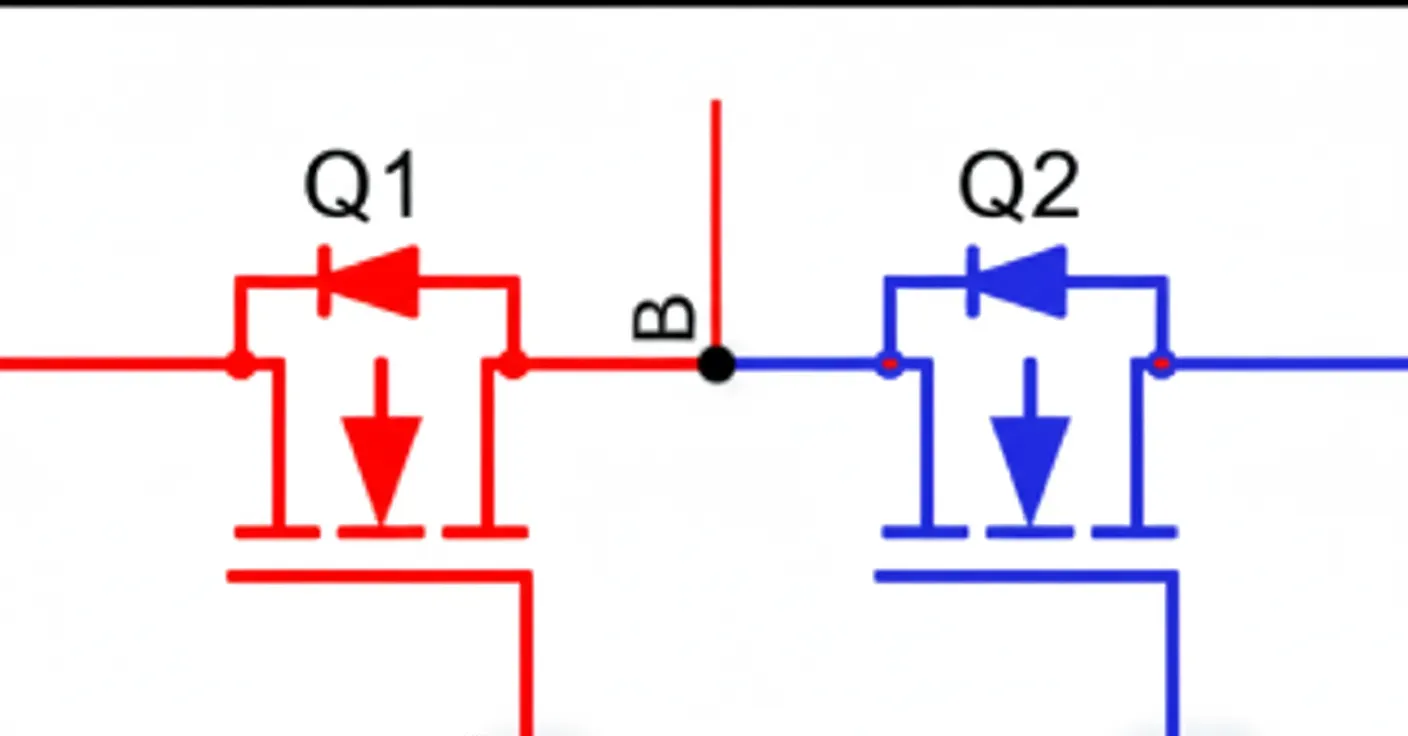
Detailed analysis of the LLC resonant converter's 12 operating states, explaining resonant tank behavior, magnetizing current, and ZVS timing for high-power designs.
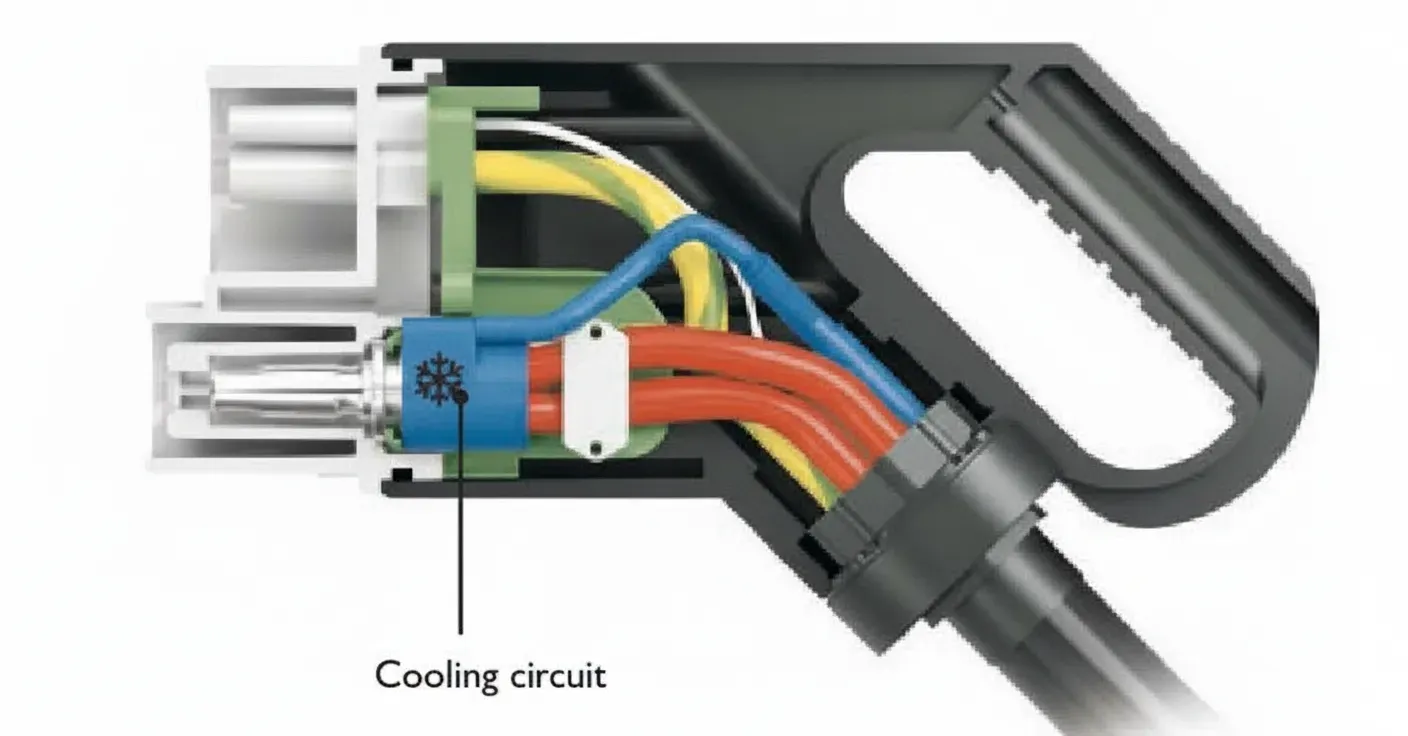
Meta Description: Explore the functional architecture of EV DC charging modules, including three-phase active PFC, DC/DC conversion, protection systems, and high-power thermal management. Learn about PCB design, high-current layouts, and manufacturing considerations for reliable high-voltage EV fast charging systems.
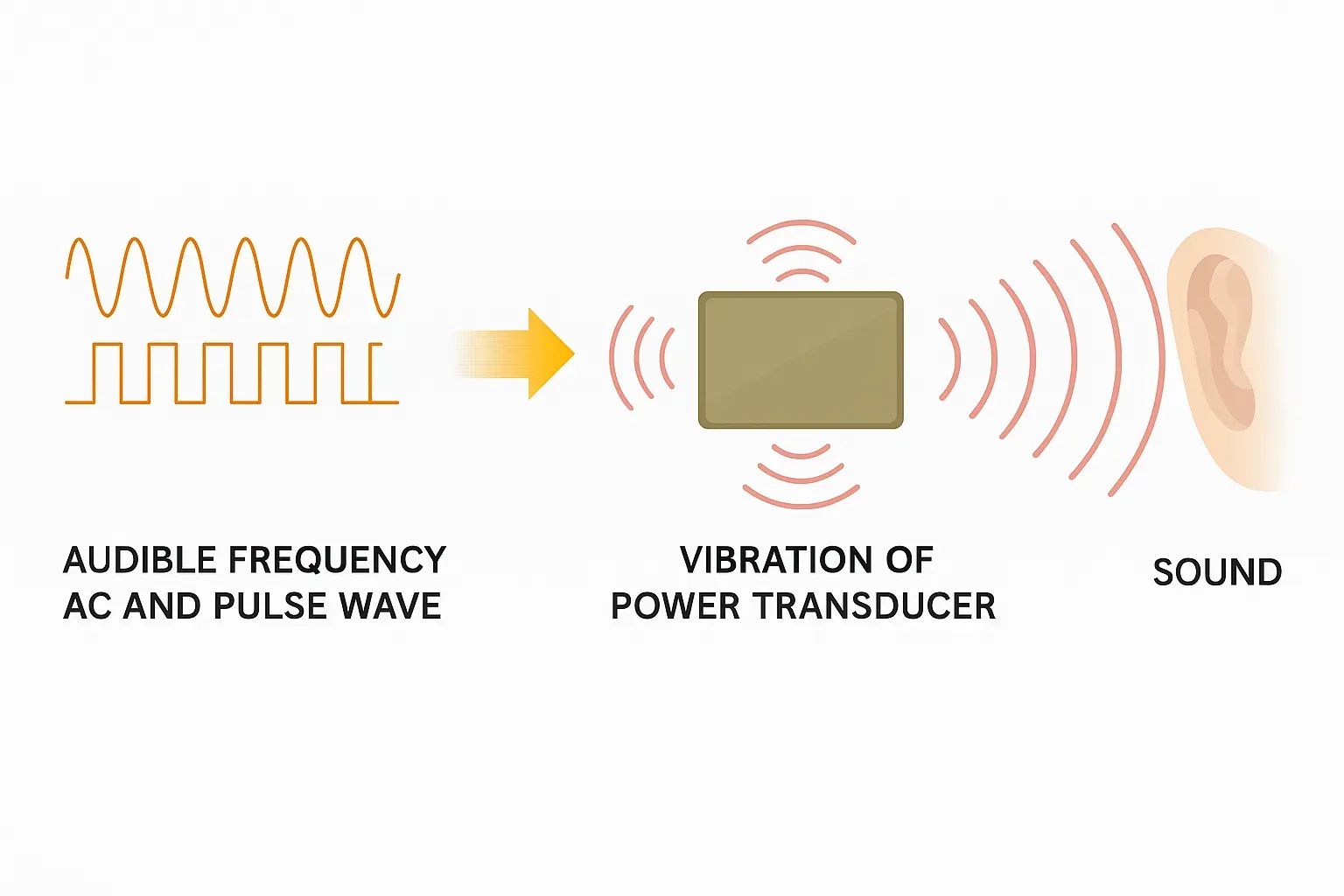
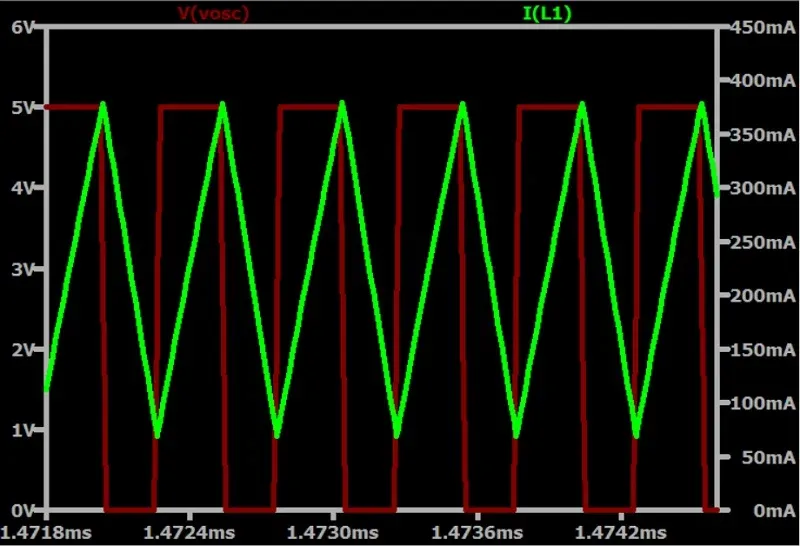
Explains causes of audible squeal in power inductors in DC-DC converters, including magnetostriction, leakage flux and variable-frequency excitation, plus practical countermeasures.
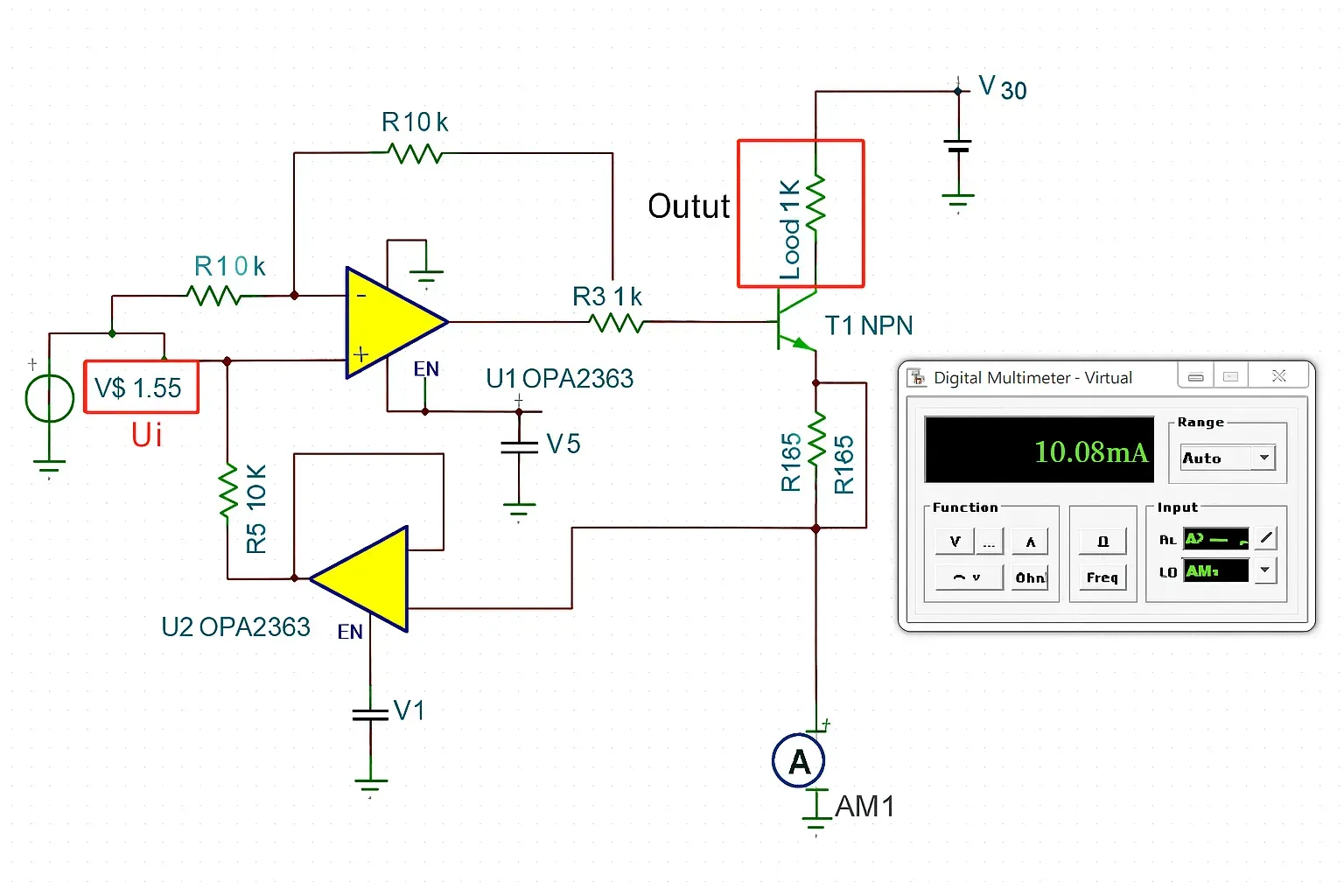
Technical overview of voltage-to-current (V/I) converters: op-amp plus transistor and alternative feedback topologies, simulation load-capability, and XTR111 integration.
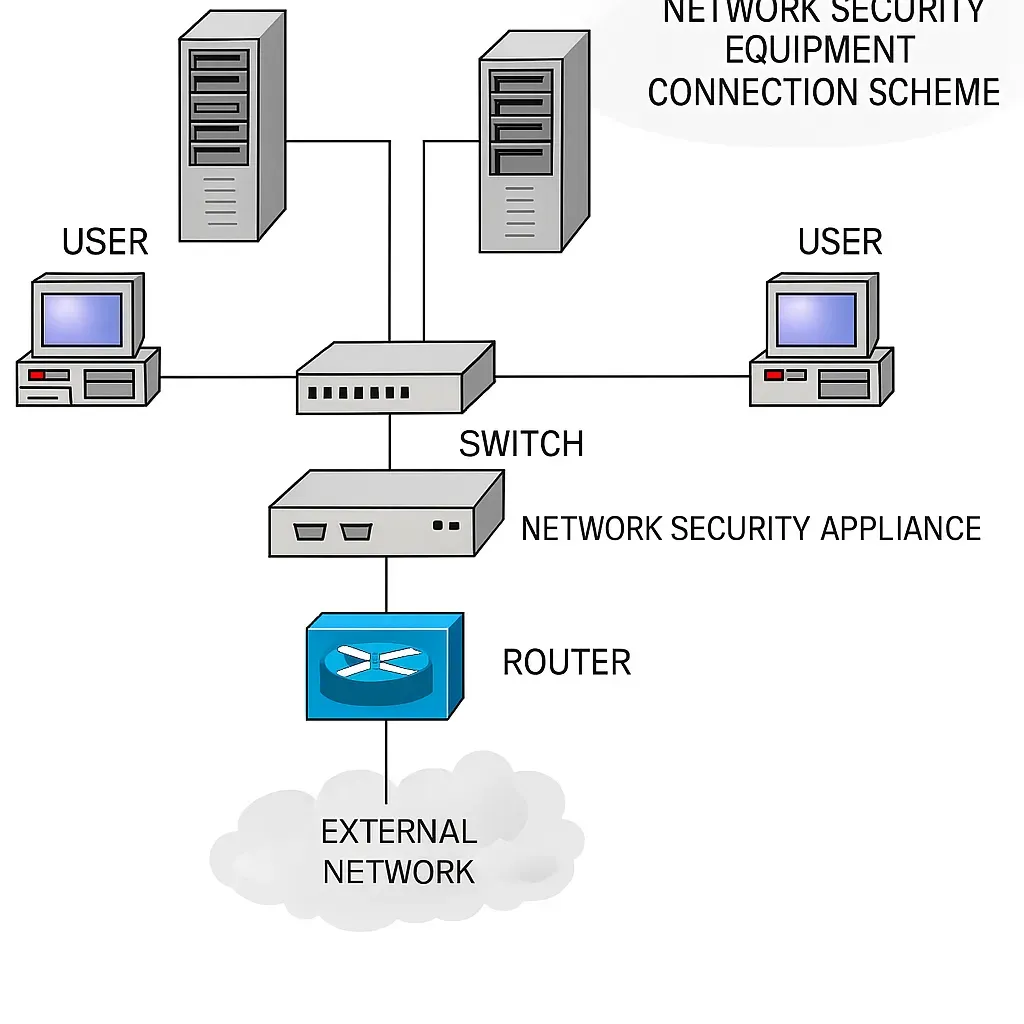
PV power forecasting system architecture, data collection, model training, forecast outputs and deployment with network isolation for secure on-site operation.
Troubleshooting XL1509-ADJ buck regulator: large 14V output ripple resolved by following datasheet compensation (CFF) guidance or lowering output to 12V.
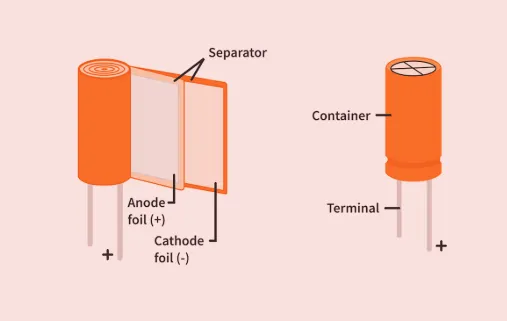
Shows how parallel capacitors (10uF+0.1uF) spread self-resonant frequencies, reducing anti-resonance and widening decoupling/filtering bandwidth versus 1uF+0.1uF.
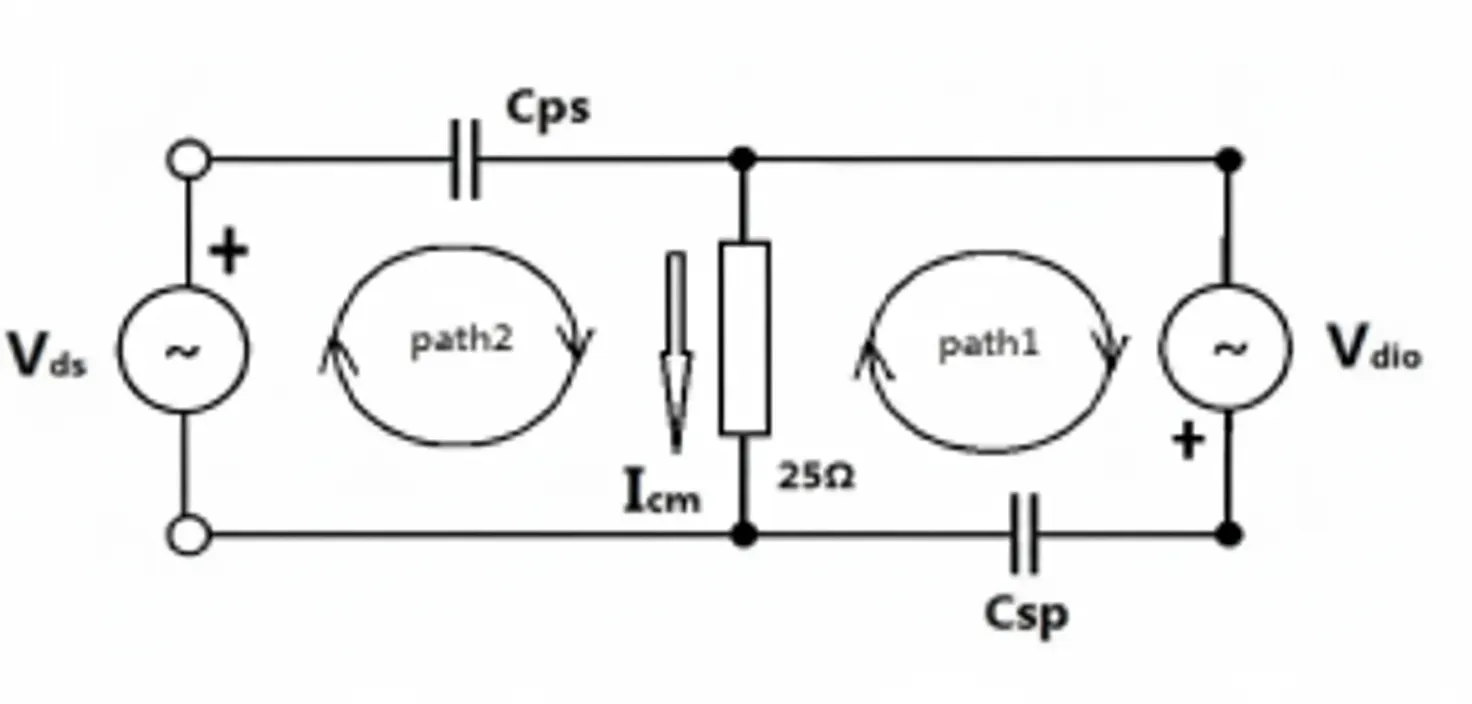
Power-line conducted emissions testing, localization, and mitigation: LISN-based differential/common-mode analysis, AC input filters, ferrites, chokes, and PCB layout tuning.
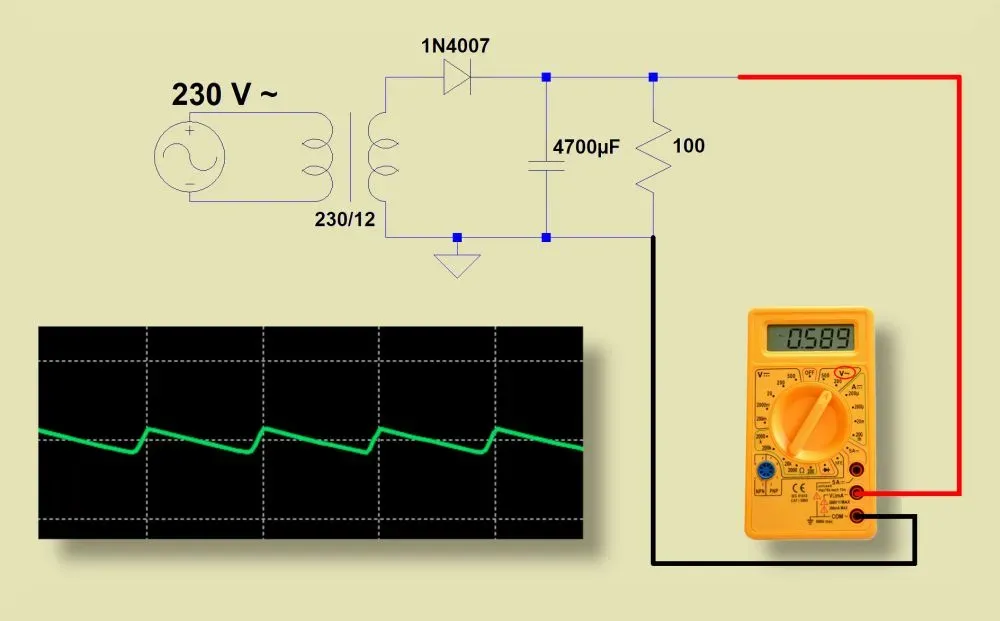
Technical overview of power supply ripple: causes, effects, ripple measurement techniques with oscilloscope, and methods for suppression including filtering and loop design.
Explains why a bootstrap capacitor (C1) is used in buck converters: it forms a floating supply to power the high-side gate driver and enable MOSFET switching.
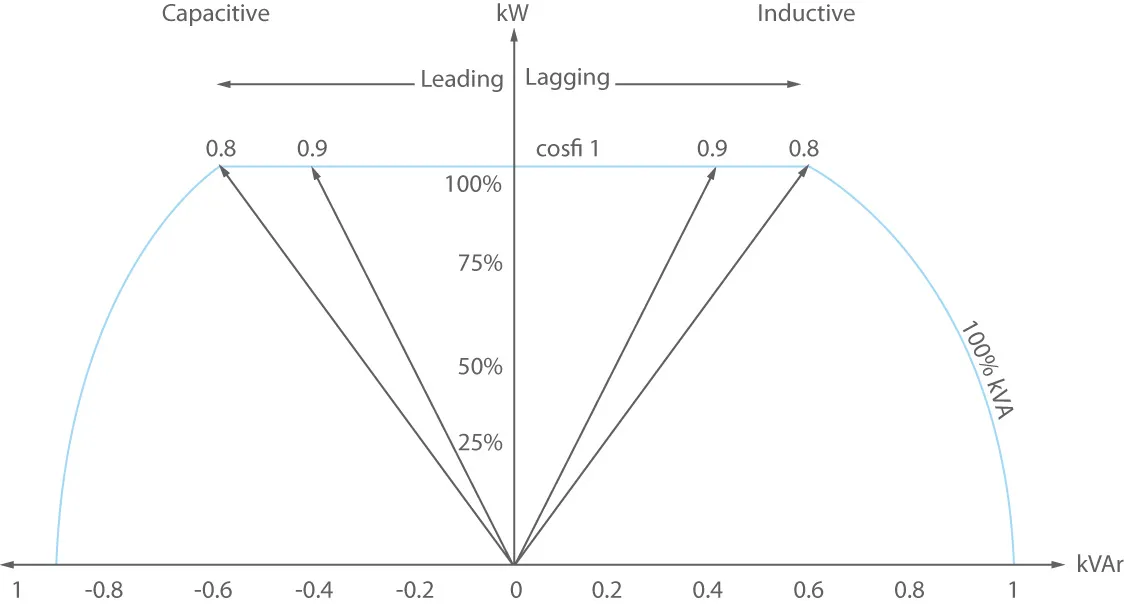
Understand power factor (PF) in UPS systems, the critical difference between input PF and rated load power factor, derating risks with mismatched loads, and engineering implications for inverter sizing, capacitors, and PCB power distribution in industrial and data center applications.