What is an RF power supply
An RF power supply provides the electrical power required by RF systems. System components such as transmitters, receivers, amplifiers, and filters require power to operate properly.
Key requirements for an RF power supply include:
- Stability: The supply must provide stable voltage and current to ensure correct operation of the RF system under varying conditions. High-quality regulation is often required.
- Low noise: Low output noise is necessary to avoid degrading RF signals. Noise can originate from the supply itself or from interactions between the supply and the RF system.
- Interference suppression: The supply should resist and suppress interference to prevent spurious harmonics, frequency drift, and other unwanted effects. This is typically achieved by proper filtering and shielding.
- Efficiency: High efficiency reduces power loss, heat generation, and overall system power consumption.
Common RF power supply types include DC power supplies and RF signal generators. DC power supplies provide stable DC voltage and current for low-frequency and DC circuits within RF systems. RF signal generators produce RF signals for testing, measurement, and frequency tuning.
When selecting an RF power supply, consider system requirements such as operating frequency range, power needs, and noise specifications to ensure the supply meets performance and reliability requirements.
Key parameters of an RF power supply
Main parameters to consider include:
- Output voltage and current: Basic electrical characteristics describing the supply output. For DC supplies these are typically fixed values; for RF signal generators output voltage and current vary with frequency and power setting.
- Frequency range: For RF signal generators, the frequency range specifies the span of frequencies the generator can produce, including center frequency and tuning range.
- Output power: Indicates the power capability of the supply or generator. For signal generators, output power is usually adjustable; for DC supplies, output power is the product of voltage and current.
- Stability: Usually expressed as the stability of output voltage and current over time and operating conditions.
- Noise: Describes unwanted fluctuations or interference in the output. For RF signal sources, noise is commonly characterized as phase noise and AM (amplitude modulation) noise.
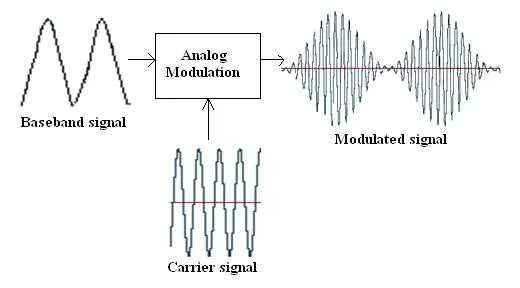
- Modulation modes: For signal generators, common modulation types include AM, FM, and PM.
- Efficiency: The ratio of output power to input power, indicating energy conversion efficiency.
- Accuracy and precision: For signal generators, frequency accuracy, power accuracy, and modulation accuracy define how precise and reliable the generated signals are.
Test principles for RF power supplies
Common test methods include:
- Output voltage and current measurement: For DC supplies, use a multimeter or multifunction tester to measure voltage and current. For RF signal generators, use an RF power meter to measure output power.
- Stability testing: Assess whether the supply maintains its specified output under load changes, temperature variations, and other environmental conditions.
- Noise testing: Measure noise using an RF signal analyzer or spectrum analyzer and appropriate measurement antennas or probes. Perform spectral and time-domain analysis to characterize noise across frequency ranges.
- Frequency tuning test: For RF signal generators, verify output frequency accuracy and detect frequency drift using a spectrum analyzer or frequency counter.
- Power output test: Validate the accuracy of the generator's output power using an RF power meter.
- Efficiency test: Measure input and output power with power meters to calculate conversion efficiency.