Communication towers elevate antennas and associated electronic equipment to achieve greater coverage and signal performance in wireless networks. These tall steel structures support microwave, VHF/UHF, and cellular transmission while housing the active electronics that form the backbone of modern telecommunications infrastructure.
Purpose and Role in Wireless Networks
Towers increase the effective height of transmitting and receiving antennas, extending service radius and improving line-of-sight propagation. A typical installation includes the tower body, platforms, lightning protection, access ladders, and antenna mounts. Hot-dip galvanization provides corrosion resistance for long-term outdoor exposure. The structures carry not only passive antennas but also active base-station equipment, power systems, and signal-processing electronics that convert, amplify, and route RF signals.
Structural Types and Engineering Trade-offs
Several structural forms address different site constraints and load requirements:
- Angle-section lattice towers offer high load capacity and straightforward fabrication but present larger wind-exposed surfaces and require more steel.
- Tubular lattice towers reduce wind resistance through smaller member profiles while maintaining good strength-to-weight characteristics.
- Monopoles provide a compact, aesthetically acceptable solution for urban or visually sensitive sites, though with lower antenna capacity.
- Guyed masts achieve high height and load capacity at lower material cost but require extensive anchor space and periodic guy-wire tensioning.
- Rooftop pole mounts and disguised aesthetic towers minimize land use or visual impact at the expense of load capacity and added finishing costs.
Selection balances footprint, wind loading, material consumption, fabrication complexity, and maintenance access.

Design Principles: Wind Loads, Standards, and Load Capacity
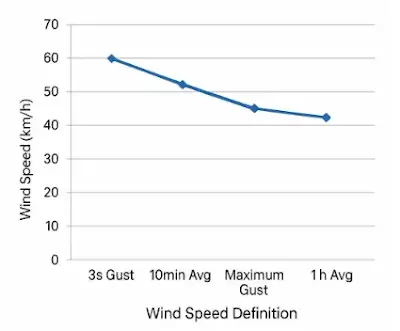
Tower engineering is governed by regional standards such as ANSI/TIA-222-G/H (United States), BS 8100 (United Kingdom), and various national codes. Design wind speed—whether expressed as 3-second gust, 10-minute mean, or other definitions—directly determines member sizing and foundation requirements. Horizontal wind loads on the tower and antennas dominate over vertical gravity loads; therefore, projected antenna area, mounting height, and antenna shape (flat panel versus cylindrical) are critical inputs.
Deflection limits, material yield strength, and fatigue considerations under cyclic wind loading further constrain the design. Foundations must resist overturning moments, and all elements undergo finite-element analysis and wind-tunnel validation where necessary.

Manufacturing and Material Considerations
Hot-dip galvanization after fabrication protects against atmospheric corrosion. Welding quality, member straightness, and connection detailing influence both structural integrity and long-term durability. Material grades are selected for strength, weldability, and toughness across the expected temperature range. Quality controls include dimensional inspection, coating thickness measurement, and mechanical testing of critical joints.
Electronics and PCB Integration in Tower Systems
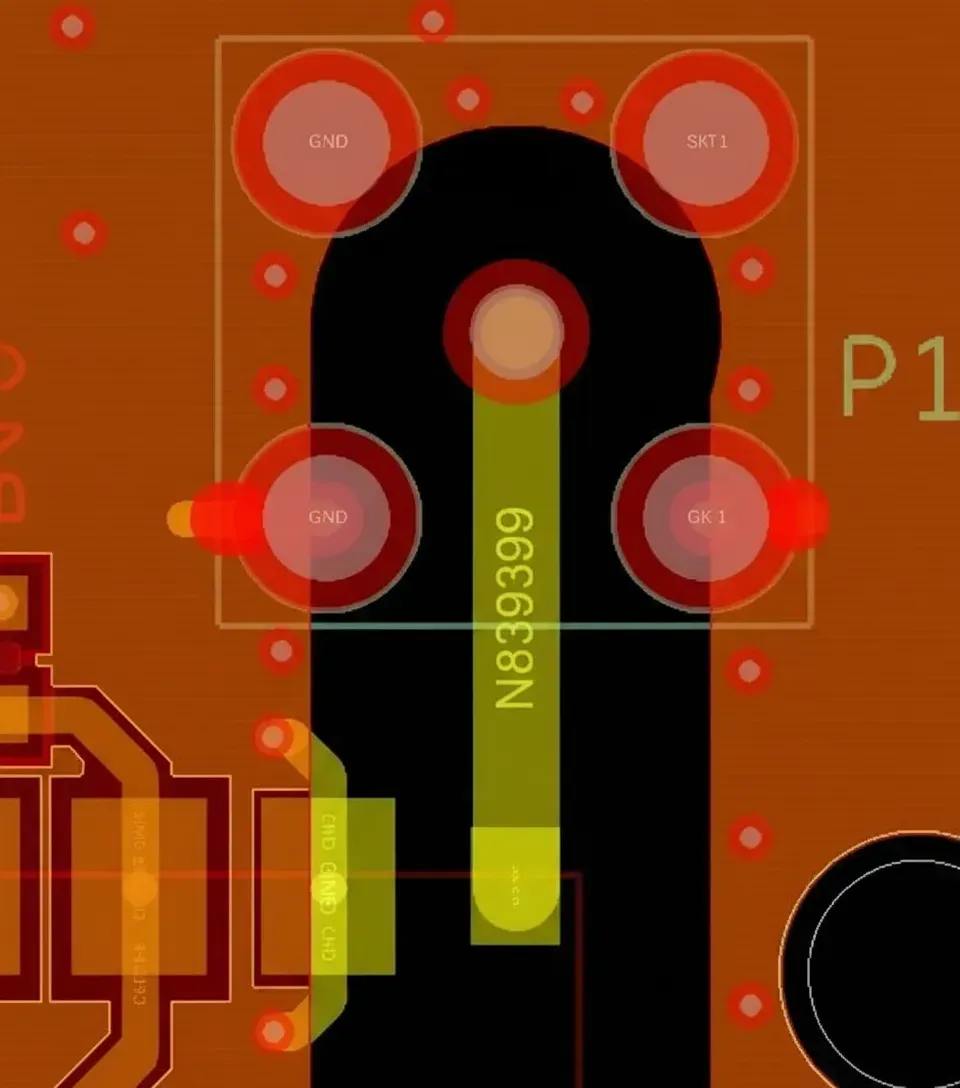
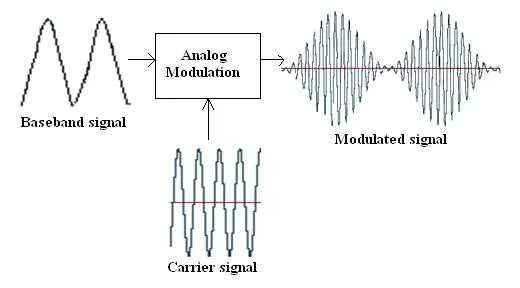
Modern towers host base transceiver stations, remote radio units (RRUs), power amplifiers, and backhaul equipment. These systems require high-reliability PCBs for RF signal conditioning, power management, digital control, and fiber-optic interfaces. Key electronic challenges include:
- Maintaining signal integrity at microwave and millimeter-wave frequencies
- Managing thermal loads from high-power amplifiers
- Providing EMI shielding and grounding in a high-RF environment
- Ensuring vibration and thermal-cycling resistance for equipment mounted at height
Flexible printed circuits (FPC) often interconnect antennas or sensors across curved or moving sections, while high-density interconnect HDI boards support compact RRU designs. Metal-core or thermally enhanced substrates dissipate heat from power electronics, and conformal coatings plus robust surface finishes protect against moisture, salt, and temperature extremes.
Reliability and Environmental Challenges
Towers and their electronics must survive decades of wind, ice, lightning, and temperature cycling. PCB assemblies undergo the same environmental qualification—thermal shock, vibration, humidity, and salt-fog testing—applied to the structural steel. Material selection for substrates (Tg, CTE matching), via structures, and surface finishes directly affects long-term reliability of RF and power circuits.
Industry Trends and System Integration
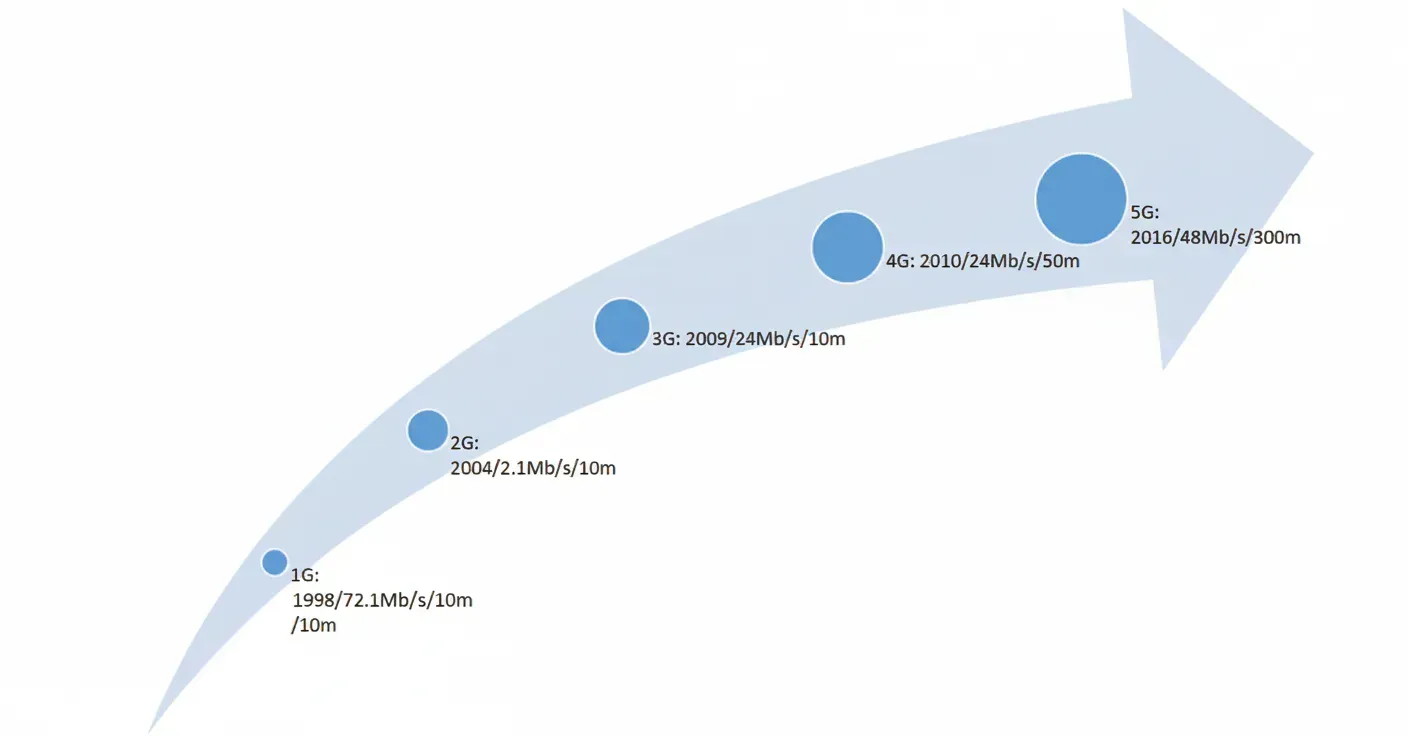
Deployment of 5G and future 6G networks increases demand for denser small-cell infrastructure, massive MIMO antennas, and edge computing at tower sites. Higher frequency bands require tighter phase-noise and thermal control on PCBs. Hybrid power systems and fiber backhaul add further electronic complexity. These trends drive greater emphasis on design-for-manufacturability for both structural components and the supporting electronics.
PCB and Electronic Manufacturing Relevance
PCB fabrication and assembly processes are essential to the performance of tower-mounted electronics. Controlled-impedance routing, low-loss dielectrics, and precise via technology support high-frequency RF paths. Thermal management solutions—metal-core PCBs, embedded copper, and heat-spreaders—maintain amplifier efficiency and component life. Flexible circuits enable compact, vibration-resistant interconnects between antennas and electronics. Rigorous process controls, automated optical inspection, and environmental testing ensure that boards meet the same reliability standards required for outdoor telecom equipment. These manufacturing capabilities allow electronics suppliers to deliver RF modules, power boards, and integrated sensor assemblies that operate reliably within the demanding mechanical and climatic environment of communication towers.
Conclusion
Communication towers combine structural steel engineering with sophisticated RF and power electronics. Wind-load design, material protection, and precise fabrication determine mechanical longevity, while PCB layout, thermal management, and material selection govern electronic reliability. As wireless networks evolve toward higher frequencies and greater density, the integration of robust structural systems with high-performance PCBs and flexible circuits remains fundamental to dependable infrastructure performance.