Using AI to Detect and Mitigate DDoS Attacks
Overview of FLDX's DDoS detection and mitigation using dynamic fingerprinting, linear-algebra factorization and adaptive regulation with machine learning for real-time protection.
In the realm of electronics and printed circuit board (PCB) design, Security Devices & Systems represent a critical intersection of technology and protection. This category delves into the hardware and systems that safeguard homes, businesses, and infrastructure against unauthorized access, theft, and other threats. From intrusion detection sensors to advanced biometric locks, these devices rely on sophisticated PCB layouts to ensure reliability and efficiency. Understanding their design principles not only enhances security measures but also drives innovation in fields like IoT integration and wireless communication. Our articles provide comprehensive guides on selecting and assembling components for security systems, including microcontrollers, RF modules, and power management circuits. Tutorials walk through practical builds, such as creating a custom alarm system or integrating cameras with edge computing. Insights into emerging trends, like AI-enhanced surveillance and blockchain for secure data transmission, offer forward-looking perspectives. Best practices emphasize robust PCB design to withstand environmental challenges, ensuring longevity and minimal false positives in real-world deployments. The technical relevance of Security Devices & Systems extends to diverse applications, from residential smart homes that alert users via mobile apps to industrial setups monitoring critical assets in manufacturing plants. By addressing power efficiency, signal integrity, and scalability, these topics equip engineers and hobbyists with the knowledge to implement effective solutions. As cyber-physical threats evolve, staying informed on these systems is essential for maintaining secure environments. Readers will find value in the range of articles here, each building on core concepts to tackle specific challenges in security electronics. Whether optimizing battery life in portable devices or troubleshooting network vulnerabilities, the content fosters a deeper grasp of how PCBs power modern security.
Overview of FLDX's DDoS detection and mitigation using dynamic fingerprinting, linear-algebra factorization and adaptive regulation with machine learning for real-time protection.
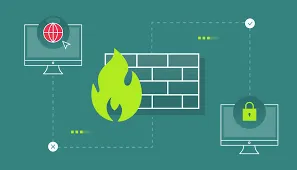
Summary of seven enterprise firewall solutions for 2023, comparing features, threat protection, scalability and centralized management to guide network security selection.
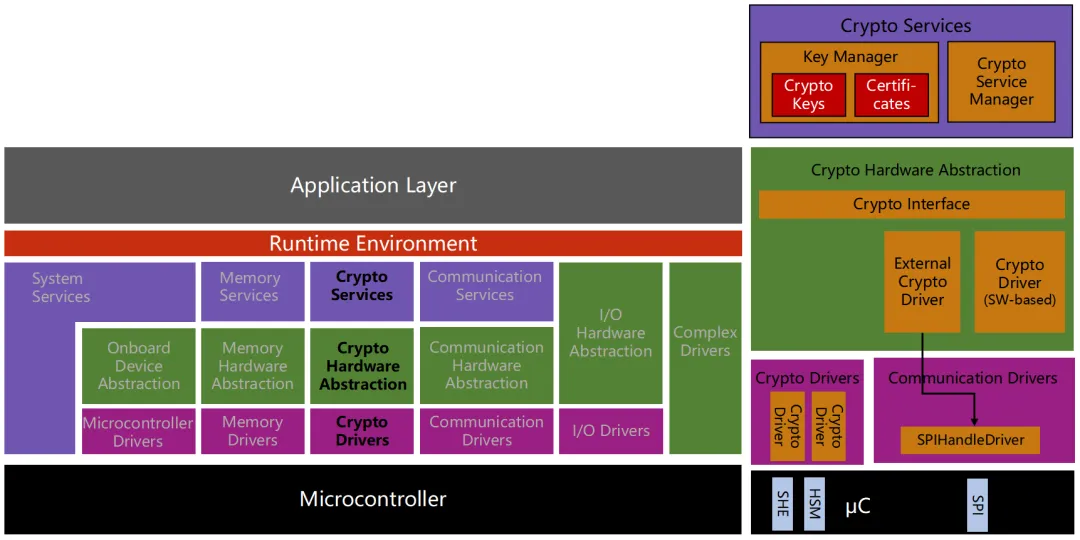
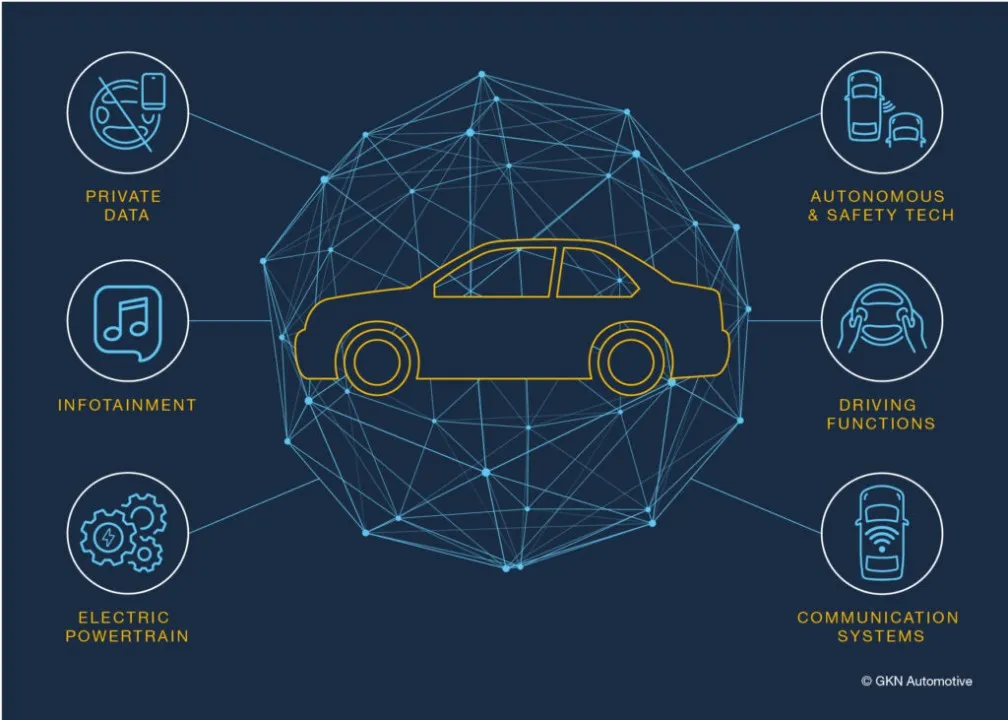
AUTOSAR security overview: SecOC, TLS/DTLS, IPsec, Crypto Stack, IAM, KeyM and IdsM — functions, constraints and key management for automotive cybersecurity.
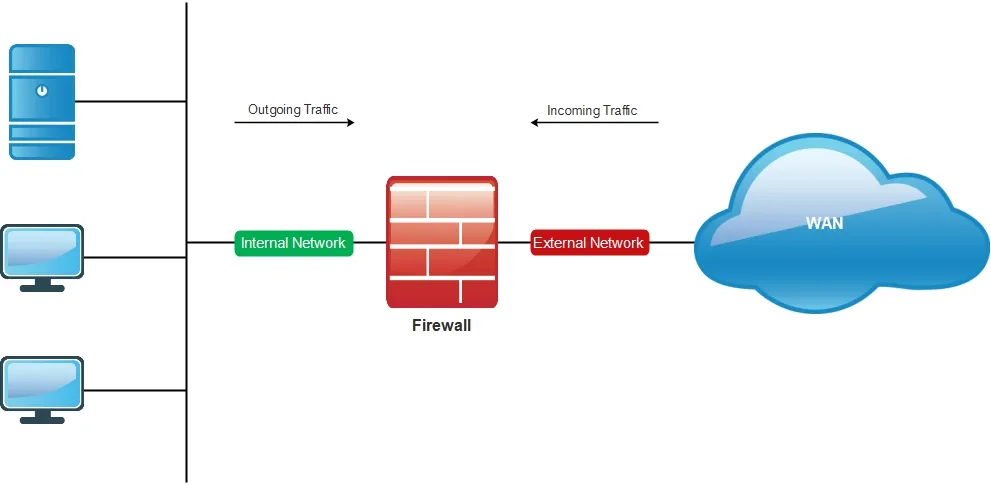
Get expert insights into firewall PCB requirements for signal integrity and heat dissipation. Learn how high quality manufacturing supports reliable network security and fast packet processing.
Eight 2023 trends in video surveillance focusing on AI-powered video analytics and cloud-based scalability, plus cybersecurity, high-resolution cameras, integration and SaaS.
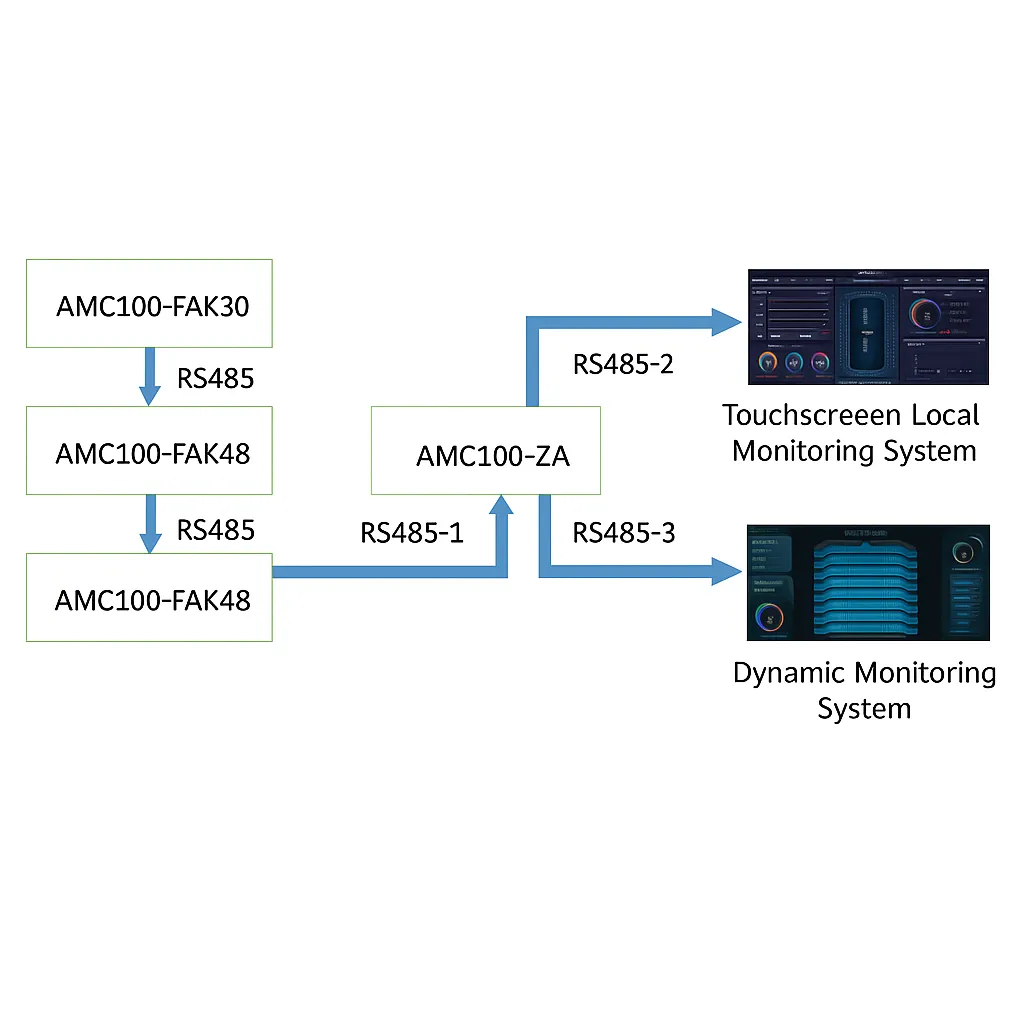
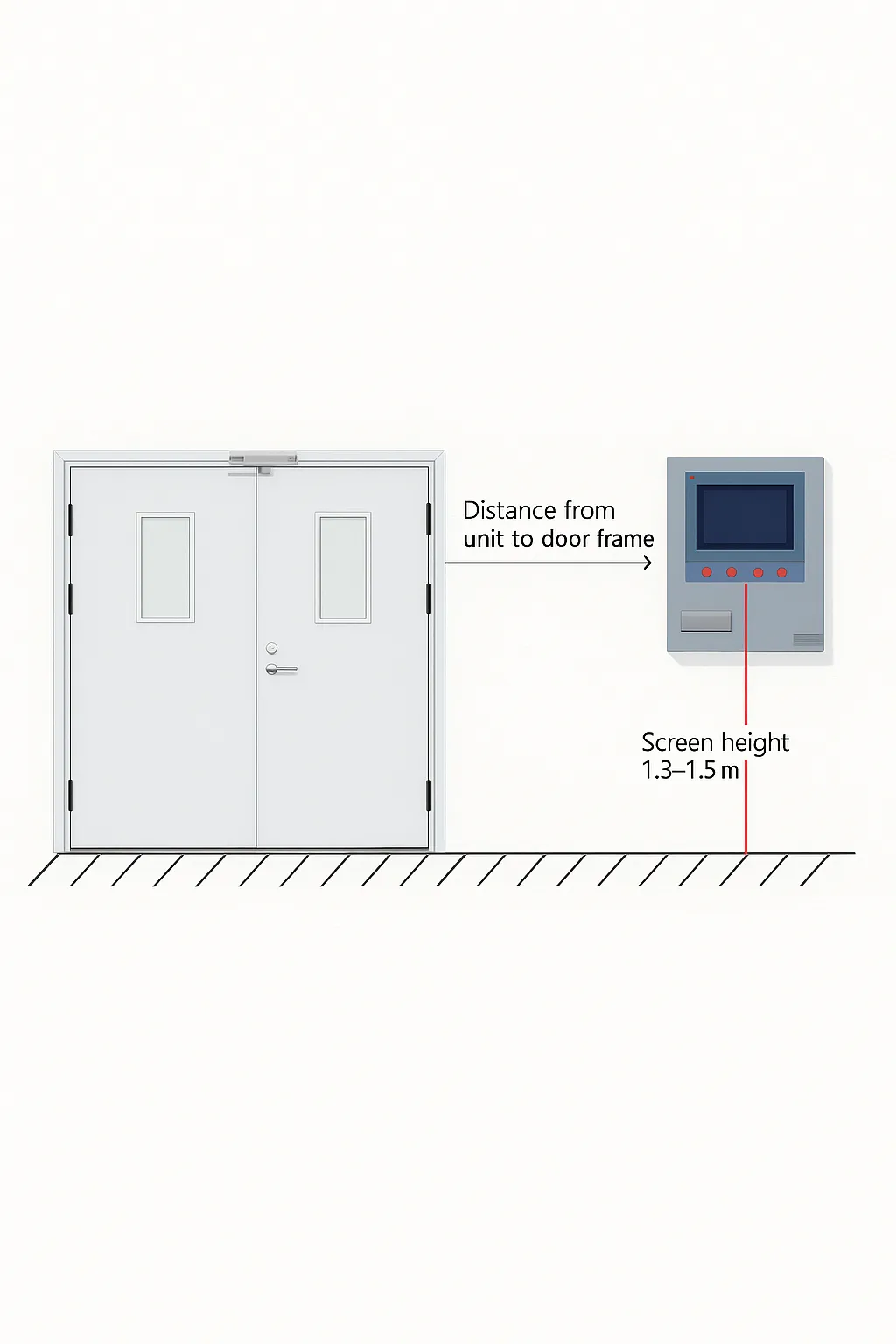
Acrel AMC100 data center cabinet monitoring: multi-circuit power distribution monitoring, alarm management, touch-screen visualization and centralized data acquisition.
Automotive cybersecurity overview: common attack vectors, supply-chain risks, and design strategies including trusted-root key management and digital-twin recovery.
Technical overview of stairwell and lobby pressure monitoring and pressurization systems, components, wiring, setpoints (GB51251-2017) for safe smoke control.
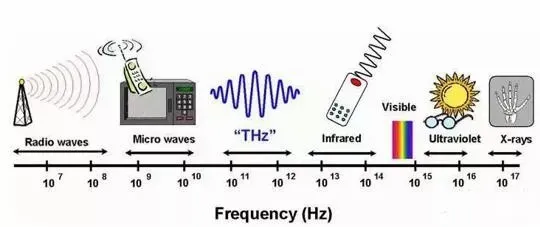
Technical guide to diagnosing common issues with outdoor surveillance cameras and DVRs: network, encoding, power, signal interference and PTZ faults.
Summary of 12 vulnerability scanning types with their characteristics, capabilities, and use cases for host, network, web application, cloud, database, and code scans.
Analysis of connected vehicle security risks, detailing sensor attacks (GPS, radar, LiDAR, cameras) and vehicle-access exploits; mitigation and update concerns.
Overview of common network vulnerabilities and root causes, focusing on SQL injection, insecure configurations, patching practices, and security management recommendations.