Batch Assembly
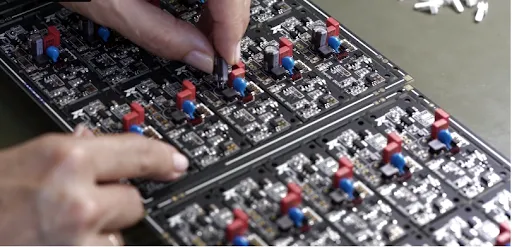
Batch assembly plays a crucial role in the electronics manufacturing landscape, particularly for printed circuit board (PCB) production where efficiency and scalability are essential. This process involves assembling multiple PCBs in a single run, bridging the gap between low-volume prototyping and high-volume mass production. For engineers, designers, and manufacturers searching for batch assembly solutions, this tag gathers resources that delve into the methodologies, tools, and strategies to optimize assembly lines without compromising quality or incurring excessive costs. At its core, batch assembly enables the simultaneous handling of components across several boards, reducing setup times and material waste. This approach is especially beneficial for small to medium enterprises or startups that require reliable production of 50 to 5,000 units, allowing them to test market viability before scaling up. Key best practices include selecting compatible components for automated pick-and-place machines, implementing rigorous quality checks like automated optical inspection (AOI), and ensuring design files adhere to standards such as IPC-7351 for footprint accuracy. By focusing on these elements, users can minimize defects, streamline workflows, and achieve faster time-to-market. Practical applications of batch assembly extend to various sectors, from consumer electronics to IoT devices and medical equipment, where customization and quick iterations are vital. For instance, incorporating surface-mount technology (SMT) in batch runs can enhance board density and performance while keeping assembly costs in check. Articles within this tag offer in-depth explorations of real-world case studies, troubleshooting common issues like solder joint failures, and tips for partnering with assembly services to handle complex multilayer boards. Whether you are refining your PCB layout for batch efficiency or evaluating assembly vendors, the content here provides the technical insights needed to make informed decisions and improve your manufacturing outcomes.
Video Guide
No videos found for this tag.
Technical Articles
Get in Touch
Send Message
- Products & Service
- Company
- About AIVON
- Contact
- News
- Blog
- Certification
-


- Payment
-


2026 AIVON.COM All Rights Reserved