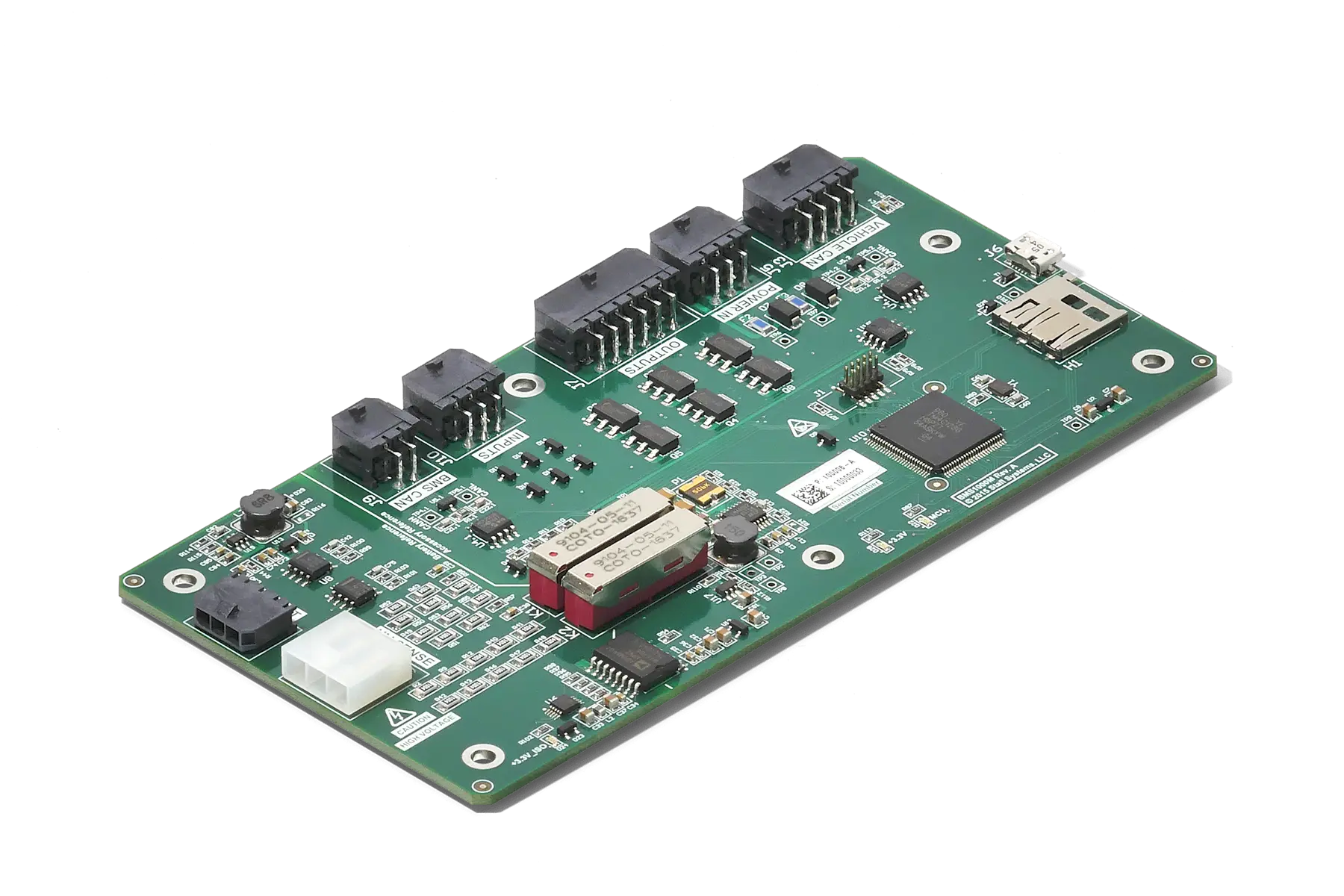
Battery Management System
Battery Management Systems (BMS) play a critical role in modern electronics, overseeing the performance, safety, and longevity of rechargeable batteries in applications ranging from electric vehicles to portable devices and renewable energy storage. This tag page aggregates in-depth articles that explore the fundamentals of BMS technology, including circuit design, component selection, and integration strategies tailored for PCB engineers and electronics enthusiasts. Whether you are troubleshooting overcharge protection issues or optimizing battery efficiency in a custom project, the content here addresses common challenges with practical guidance grounded in industry standards. Understanding Battery Management Systems begins with their core functions: monitoring voltage, current, and temperature to prevent hazards like thermal runaway or deep discharge. For those searching this keyword, our articles delve into actionable insights such as selecting appropriate microcontrollers for BMS implementation, implementing state-of-charge algorithms, and ensuring compliance with safety protocols like UL or IEC standards. You will find discussions on real-world applications, including how BMS enhances energy management in solar-powered systems or extends battery life in IoT devices, complete with schematic examples and testing methodologies. Professionals and hobbyists alike can benefit from best practices highlighted in these resources, such as balancing cell voltages in multi-cell packs or incorporating fault detection mechanisms to improve reliability. By browsing the articles linked on this page, you can gain a deeper appreciation for how BMS contributes to sustainable and efficient power solutions, equipping you with the knowledge to tackle your next electronics project effectively.
Video Guide
No videos found for this tag.
Technical Articles

Get in Touch
Send Message
- Products & Service
- Company
- About AIVON
- Contact
- News
- Blog
- Certification
-


- Payment
-


2026 AIVON.COM All Rights Reserved