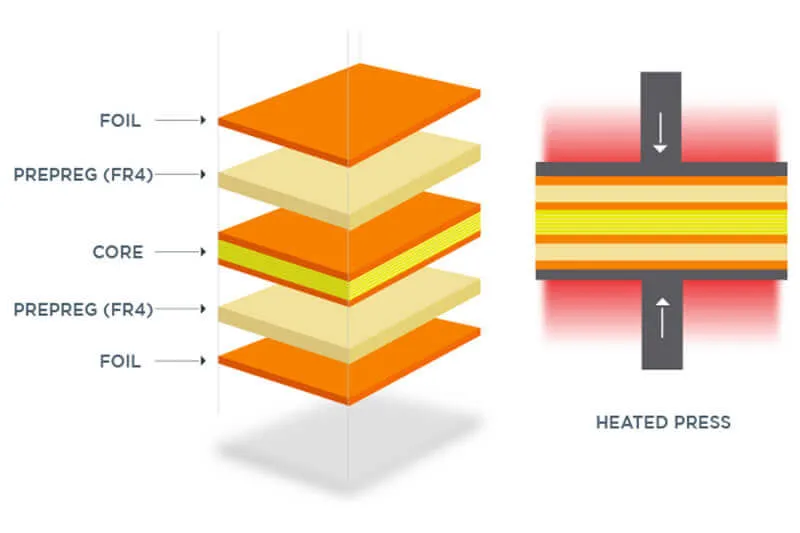
Dielectric Constant
The dielectric constant, often denoted as ε_r or k, is a fundamental property in electronics and PCB design that quantifies a material's ability to store electrical energy within an electric field relative to a vacuum. This metric plays a critical role in determining how insulators behave in capacitors, transmission lines, and multilayer circuit boards, influencing everything from signal propagation speed to overall circuit performance. For engineers and hobbyists searching for information on the dielectric constant, this tag serves as a comprehensive resource, covering its theoretical foundations, measurement techniques, and real-world implications in modern electronic systems. Understanding the dielectric constant is essential for selecting appropriate substrate materials in PCB fabrication. For instance, materials with a low dielectric constant, such as PTFE or certain ceramics, are ideal for high-frequency applications like RF circuits, where minimizing signal loss and maintaining impedance control are priorities. Conversely, higher dielectric constants can enhance capacitance in compact designs, making them suitable for power electronics or embedded capacitors. Practical applications extend to optimizing layer stackups in multilayer PCBs, where mismatched dielectric constants can lead to issues like crosstalk or electromagnetic interference. Best practices include using simulation tools to predict dielectric behavior under varying temperatures and frequencies, ensuring reliability in environments ranging from consumer gadgets to aerospace systems. This tag aggregates articles that delve into these topics, offering insights on comparing dielectric materials, calculating effective constants in composite structures, and addressing common challenges like moisture absorption that can alter performance. By exploring the content here, you can gain actionable strategies for improving your designs, such as integrating low-k dielectrics to boost data rates in high-speed digital circuits or evaluating trade-offs in cost versus performance for prototyping. Whether you are troubleshooting a specific issue or seeking to advance your knowledge, the resources under this tag provide the technical depth needed to make informed decisions in electronics engineering.
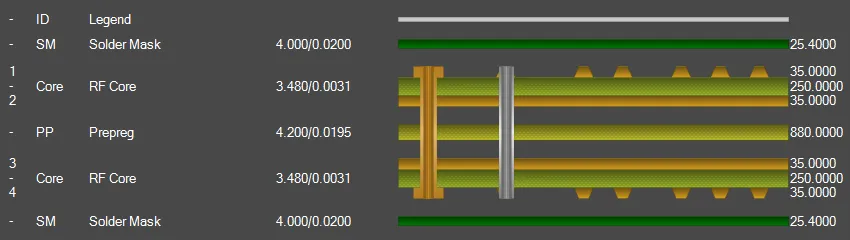
Understanding the Dielectric Constant of RF Laminate PCBs: A Beginner's Guide
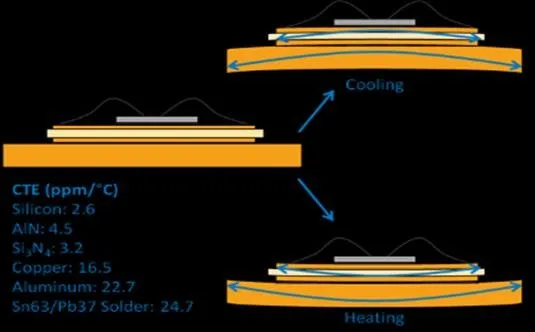
How to Select Right Material for High Frequency PCB Fabrication
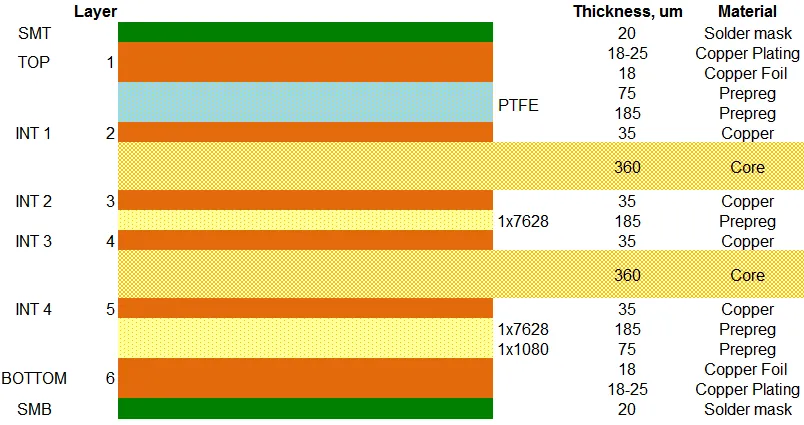
Exploring the Material Properties of PTFE PCBs: Dielectric Constant, Loss Tangent, and Thermal Stability
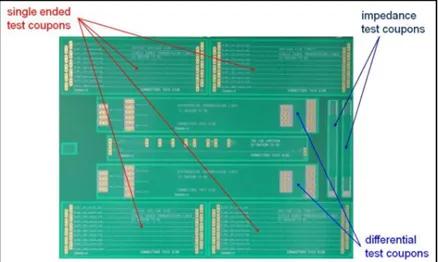
Selecting the Right Materials for Impedance Controlled PCBs: A Detailed Comparison
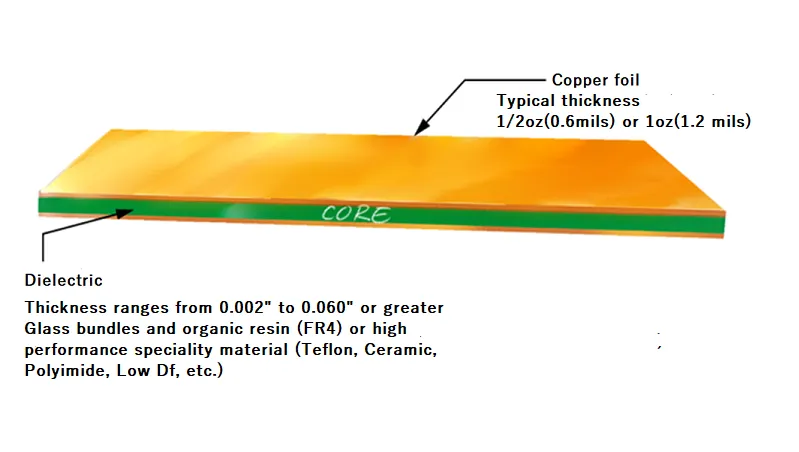
Dielectric Thickness and Impedance: A PCB Design Essential
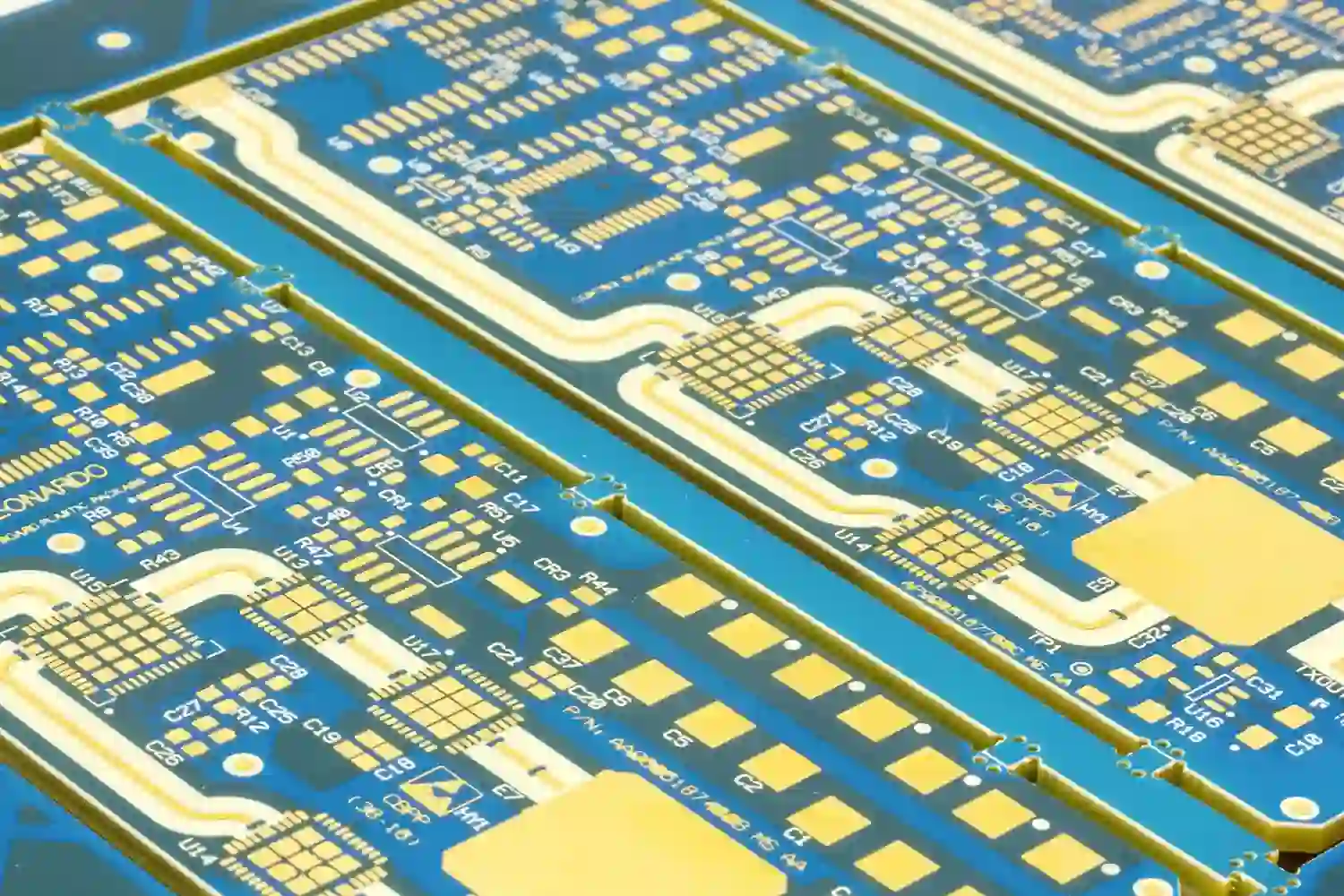
Selecting the Right PCB Laminate for High-Frequency Ultrasound Applications
Get in Touch
Send Message
- Products & Service
- Company
- About AIVON
- Contact
- News
- Blog
- Certification
-


- Payment
-


2026 AIVON.COM All Rights Reserved