Fitness Tracker
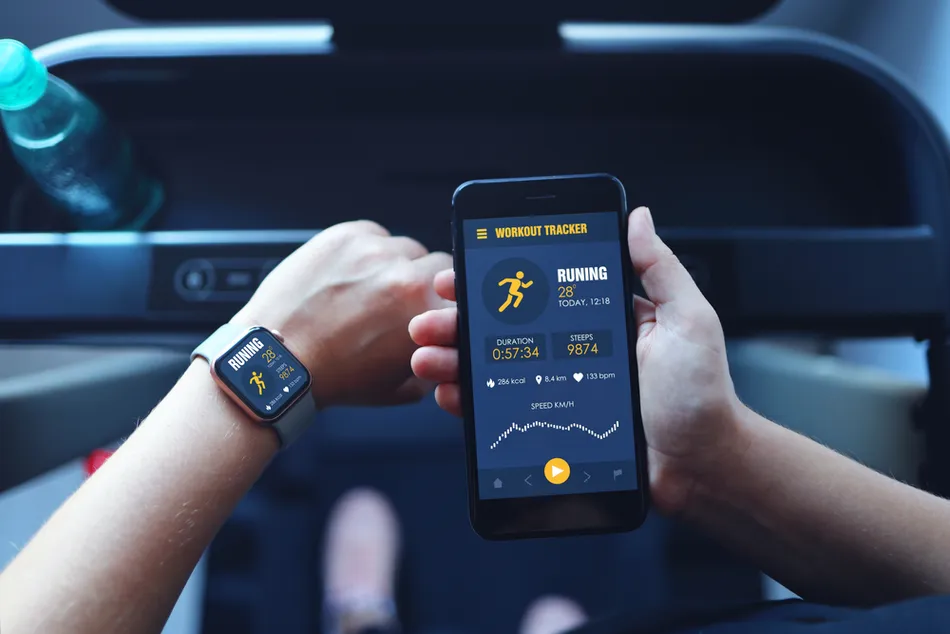
Fitness trackers represent a dynamic intersection of wearable technology and electronics engineering, offering users real-time insights into health metrics like heart rate, steps, and sleep patterns through compact, sensor-driven devices. On this tag page dedicated to Fitness Tracker topics, we delve into the core electronic components and PCB designs that power these innovative gadgets, providing essential knowledge for engineers, hobbyists, and developers interested in building or optimizing their own wearable solutions. Understanding the intricacies of fitness trackers starts with their foundational elements, such as accelerometers, gyroscopes, and optical heart rate sensors integrated onto efficient PCBs. These devices often rely on low-power microcontrollers and Bluetooth modules for seamless data transmission to smartphones or apps, emphasizing the need for robust battery management and signal integrity in compact form factors. For those searching for practical guidance, our articles cover best practices in PCB layout to minimize noise interference, selecting durable materials for flexible circuits, and implementing power-efficient algorithms that extend device runtime without sacrificing accuracy. Whether you're troubleshooting common issues like sensor calibration or exploring advanced applications such as integrating GPS for outdoor tracking, the content here equips you with actionable strategies to enhance performance and reliability. By examining real-world examples and design case studies, readers can apply these insights to prototype custom fitness trackers or improve existing ones, fostering innovation in personal health monitoring. Dive into the linked articles below to uncover detailed tutorials and expert analyses that align with your specific electronics projects.
Video Guide
No videos found for this tag.
Technical Articles
Get in Touch
Send Message
- Products & Service
- Company
- About AIVON
- Contact
- News
- Blog
- Certification
-


- Payment
-


2026 AIVON.COM All Rights Reserved