 00:53
00:53
PCB Pad Design
PCB pad design is a fundamental aspect of printed circuit board (PCB) engineering that directly impacts the reliability, manufacturability, and performance of electronic assemblies. Pads serve as the critical interface points where components are soldered onto the board, facilitating electrical connections and mechanical stability. For engineers and designers searching for PCB pad design resources, this tag compiles essential information on optimizing pad geometries, including shapes, sizes, and spacing to ensure robust solder joints and minimize defects such as tombstoning or bridging. Understanding these elements is vital for achieving high-yield production, especially in high-density layouts where signal integrity and thermal management become paramount. Effective PCB pad design incorporates best practices tailored to specific applications, such as adjusting pad dimensions for surface-mount devices (SMDs) to accommodate reflow soldering processes or incorporating thermal reliefs for through-hole components to prevent heat dissipation issues. Designers often face challenges like pad lift-off during assembly or impedance mismatches in high-speed circuits, which can be mitigated through careful consideration of materials, layer stackups, and industry standards like IPC-7351. By focusing on these actionable insights, users can enhance board durability and reduce rework costs. The articles under this tag provide in-depth discussions on these topics, offering practical guidelines for both novice and experienced practitioners to refine their designs and troubleshoot common problems. Whether you are prototyping a new circuit or scaling up for mass production, exploring the content here equips you with the knowledge to make informed decisions that align with manufacturing constraints and performance requirements. This ensures your PCBs not only meet functional specifications but also stand up to real-world environmental stresses, from vibration to temperature fluctuations.
Video Guide

Technical Articles

DFM for D-PAK (TO-252): Prevent Solder Voids and Component Shift with Solder Mask Isolation and Segmented Pads

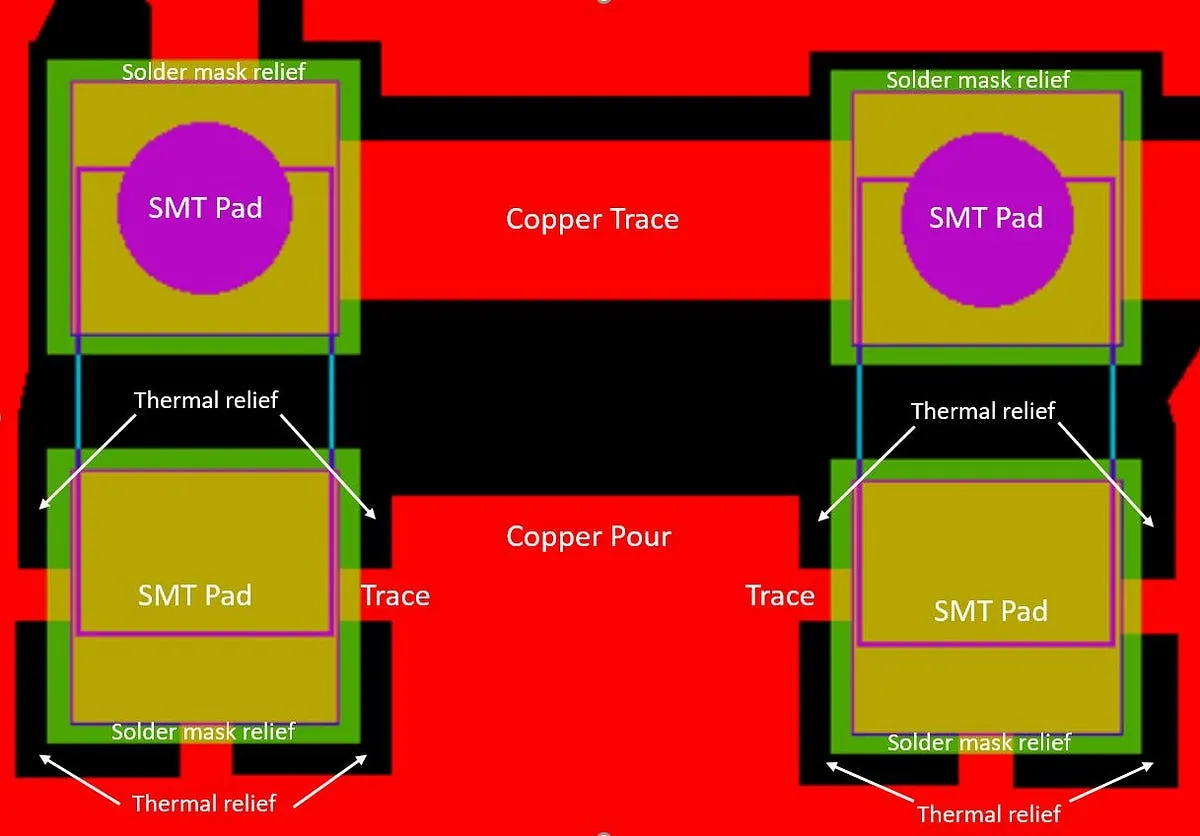
Solder Mask "Dams" Between SMT Pads: A Complete Guide to Solder Mask Coverage and NSMD Design
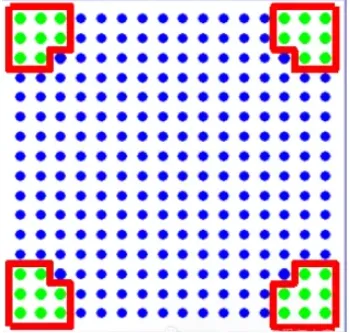
Key PCB Pad Design Guidelines for BGA SMD Components

Illustrated BGA Soldering Defects and Failure Analysis for SMT Process Engineers
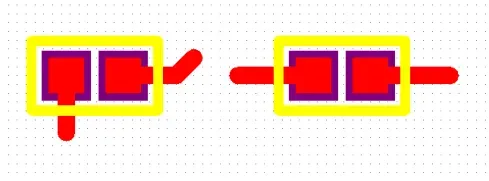
Practical Pad Naming Conventions in PCB Layout Libraries

Common PCB Design Pitfalls and How to Avoid Them
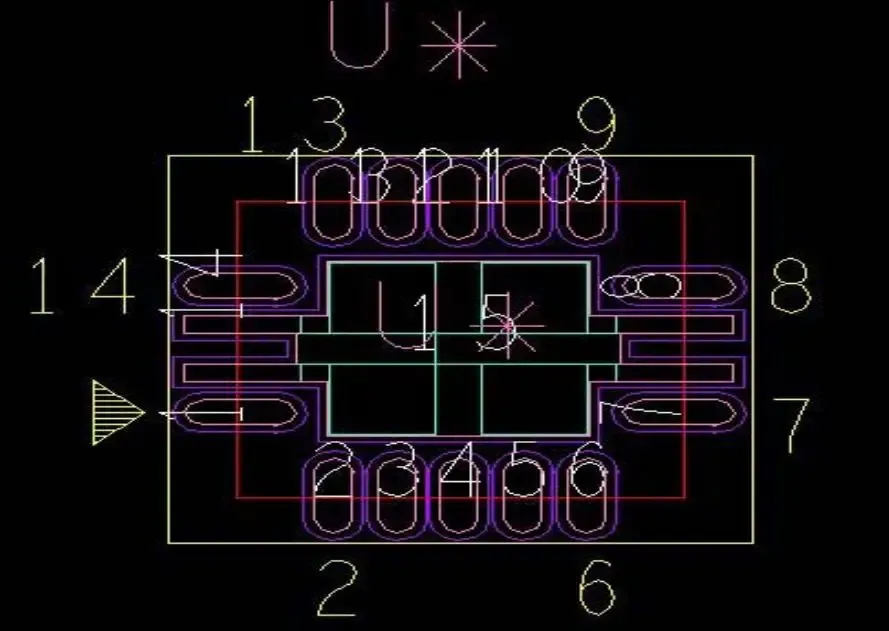
Allegro Practical Tutorial: Building Irregular Pads for QFN Thermal Pads (Step-by-Step with TPS54620)
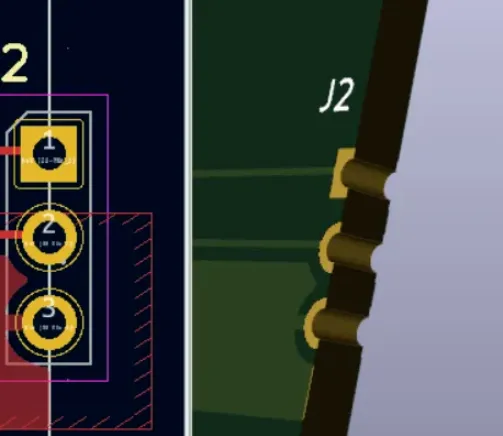
Designing PCB Castellated Holes with KiCad
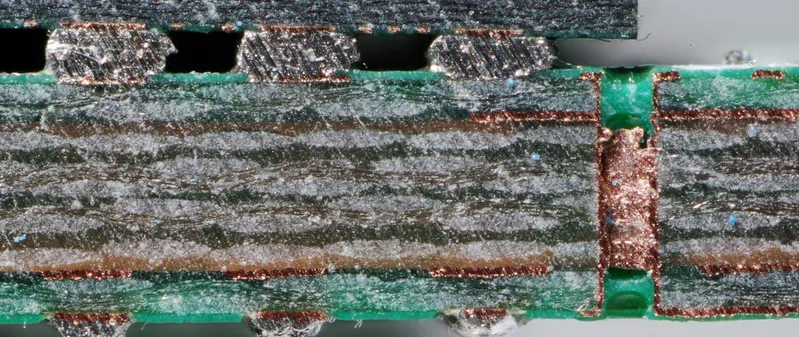
Small Anti-Pads Can Cause Unconnected Vias to Short

Compatible Pad Design and Soldering Reliability Validation for FCQFN and WLCSP Packages
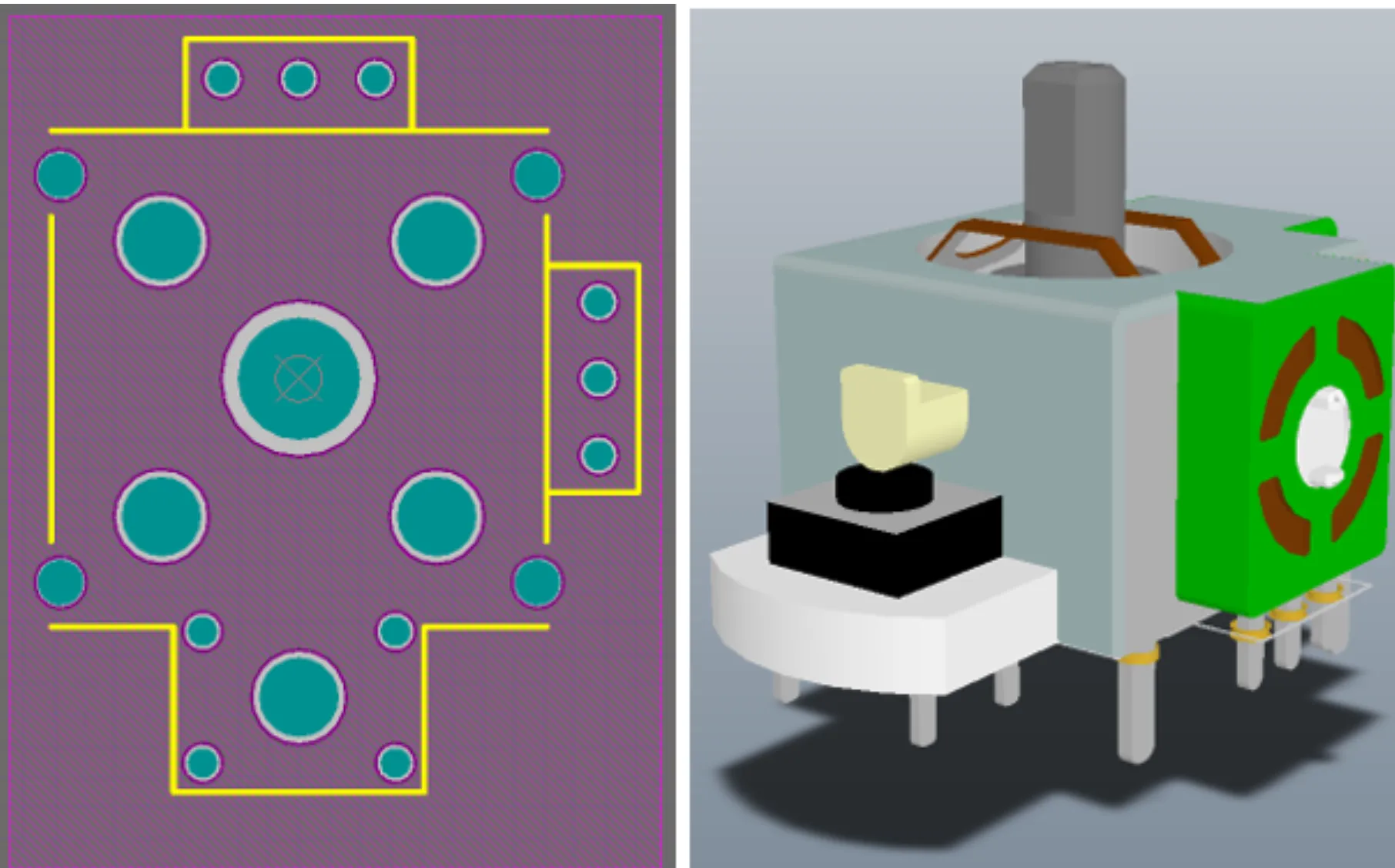
Creating Custom Component Footprints: When and How to Break the Rules
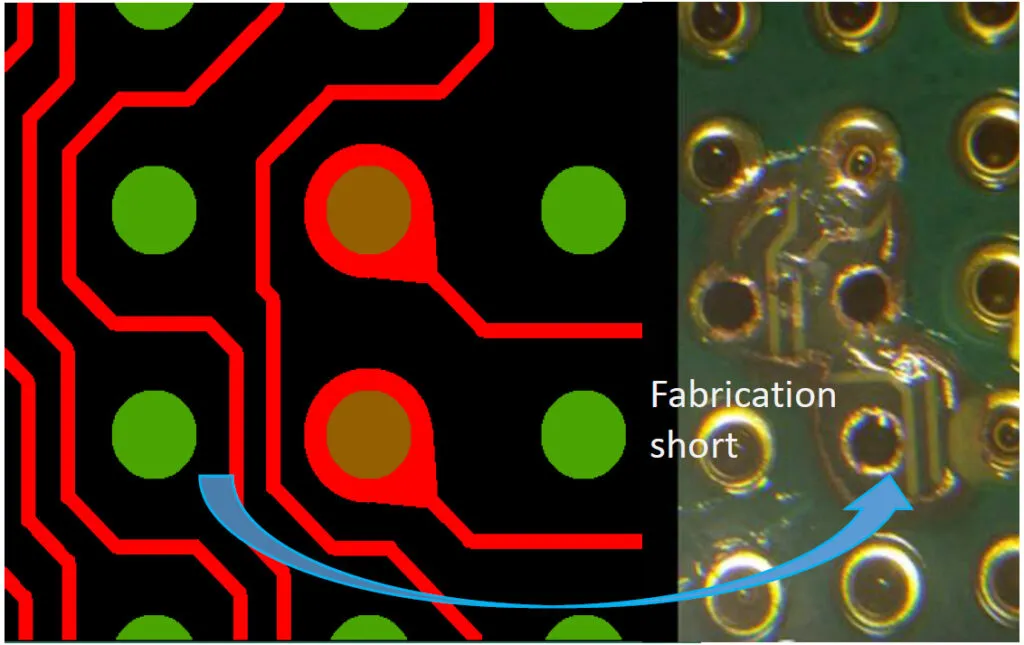
Removing Non-functional Pads in HDI PCB Manufacturing: Why It Matters
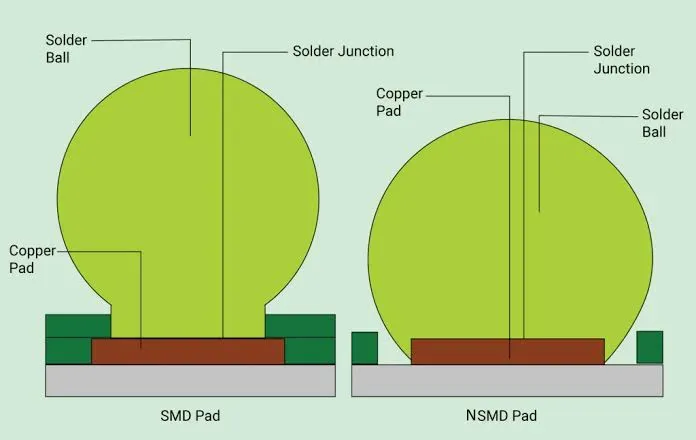
SMD Pad vs NSMD Pad for HDI BGA: Which Is Better?
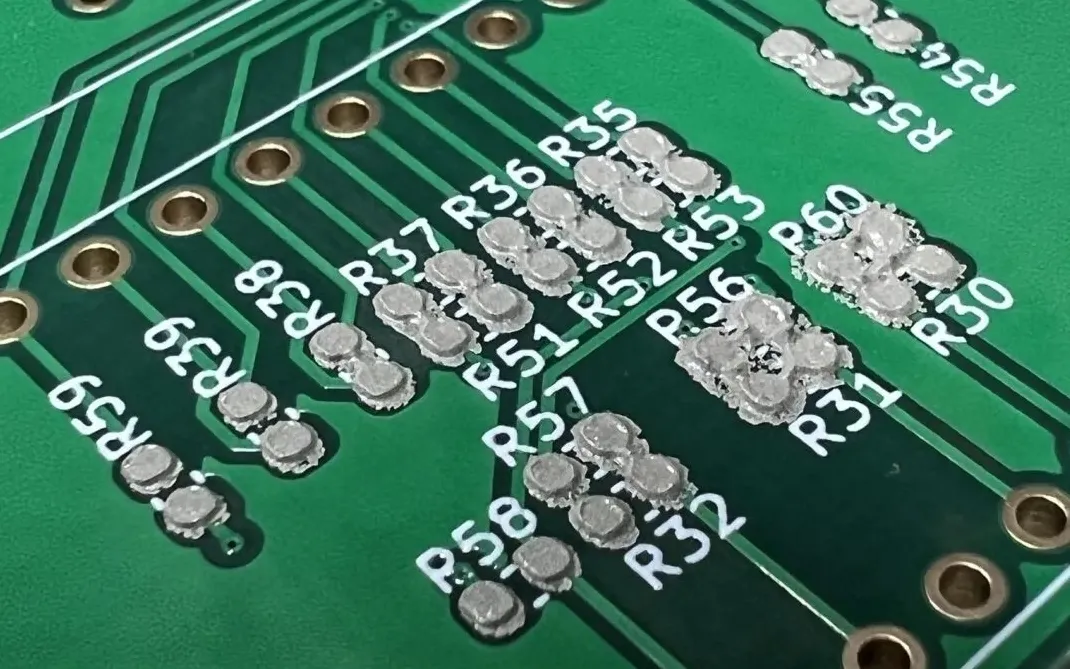
The Relationship Between PCB Pad Design and Solder Paste

PCB Trace Width and Footprint Compatibility
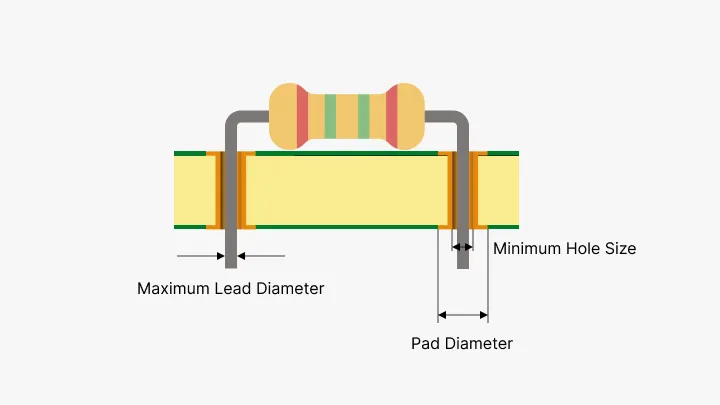
Component Footprint Creation for Through Hole Components: Ensuring Secure Mounting

SMD vs. Through Hole: Optimizing Footprint Design for Different Component Types