 00:44
00:44
PCB Placement
PCB placement is a critical stage in the design of printed circuit boards, where engineers strategically position components to optimize functionality, signal integrity, and thermal management. This process directly influences the overall performance, reliability, and manufacturability of electronic devices, making it essential for anyone involved in PCB development, from hobbyists to professional designers. By understanding the principles of PCB placement, you can avoid common pitfalls such as electromagnetic interference, excessive heat buildup, or inefficient routing paths that could lead to costly revisions or failures in production. In practice, effective PCB placement begins with analyzing component specifications, including size, power requirements, and connectivity needs. Best practices include grouping related components to minimize trace lengths, ensuring adequate spacing for heat dissipation, and considering assembly constraints like pick-and-place machine capabilities. For high-speed designs, prioritizing the placement of sensitive elements like oscillators or RF modules can significantly reduce noise and improve signal quality. Additionally, tools such as CAD software with auto-placement features can streamline the process, but manual oversight is often necessary to achieve optimal results tailored to specific project demands. Whether you are troubleshooting layout issues in a prototype or seeking ways to enhance board density without compromising performance, the articles tagged under PCB Placement offer valuable guidance. These resources delve into real-world case studies, step-by-step tutorials, and advanced techniques that address diverse applications, from consumer electronics to industrial systems. Browsing through them can provide the actionable insights needed to refine your designs and stay ahead in an evolving field.
Video Guide

Technical Articles
Why a Small Footprint-Origin Shift Moves Every Pick-and-Place Coordinate
Boost PCB Design Efficiency with Interactive Cross-Probing and Modular Placement
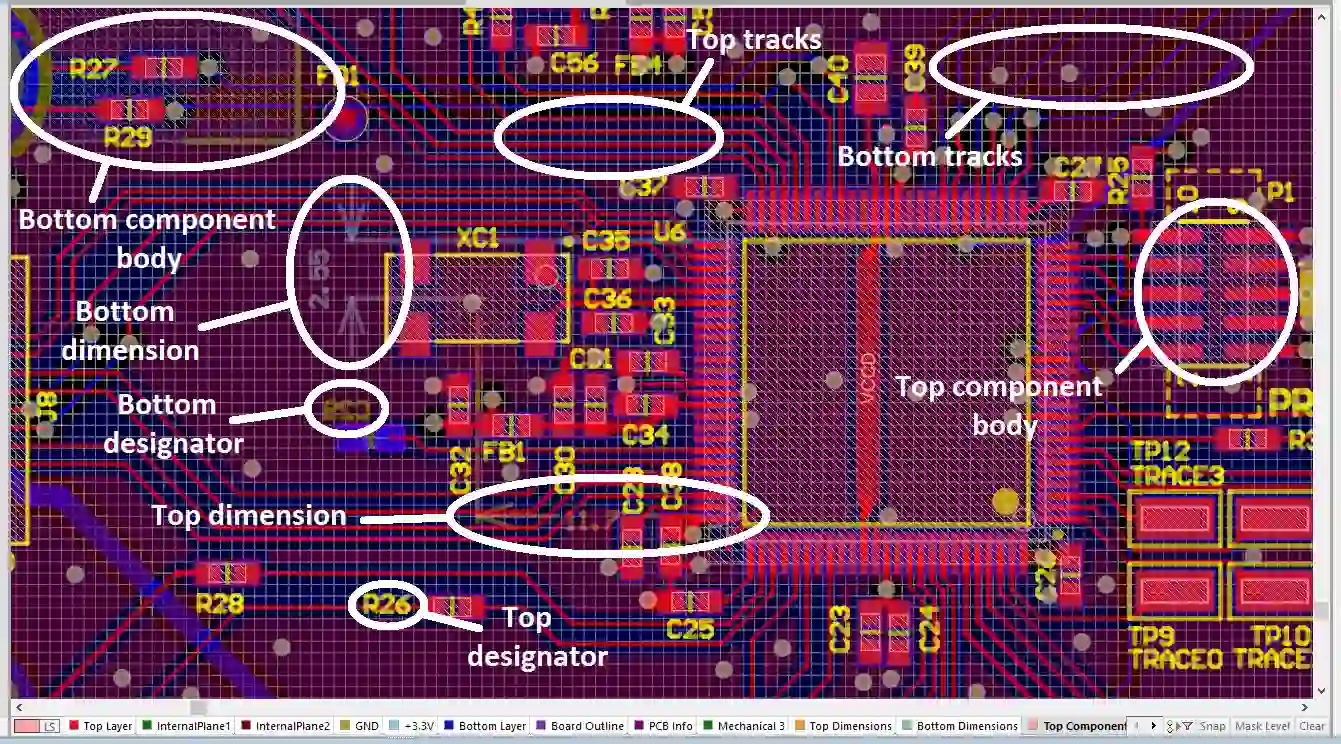
Fast Component Alignment in Altium Designer for Cleaner PCB Layouts
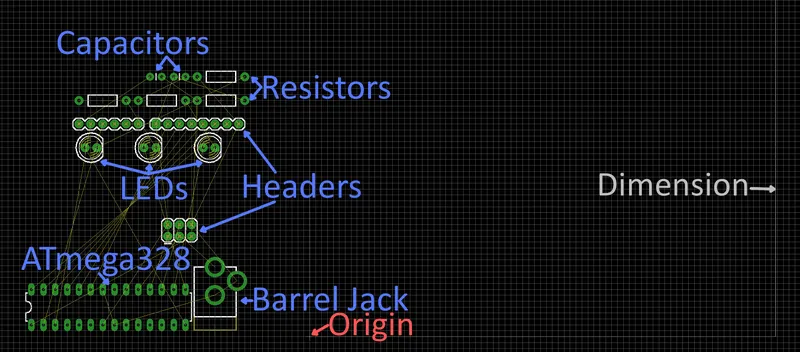
Stuck on PCB Placement? First Arrange These Four Types of Positions
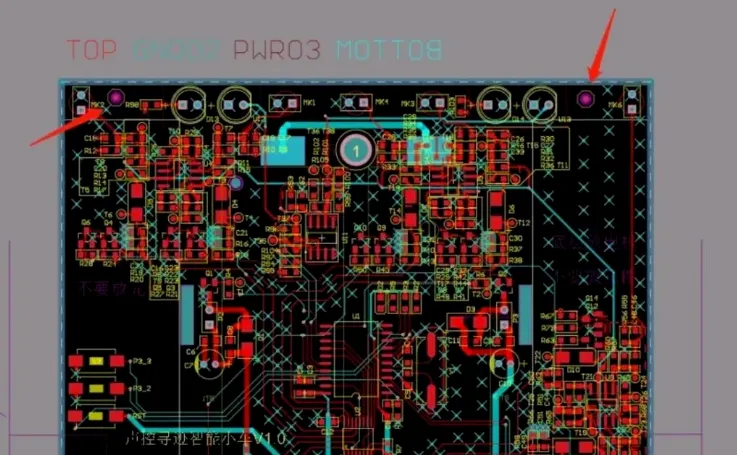
PCB Fiducials: Small Marks That Impact Production
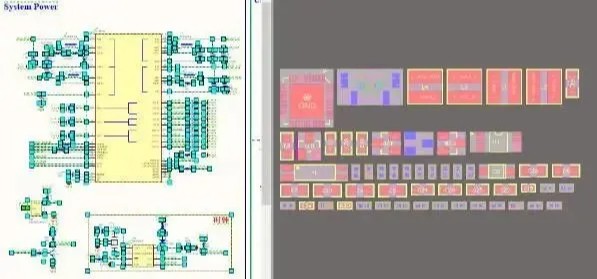
Interactive and Modular PCB Layouts to Double Design Efficiency
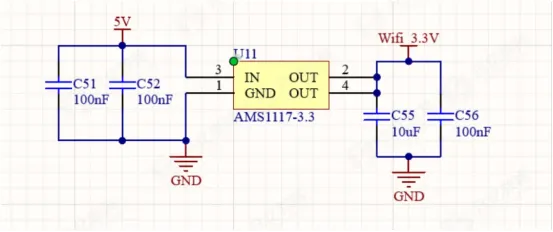
LDO Power PCB Design: From the Regulator Circuit to Placement and Routing
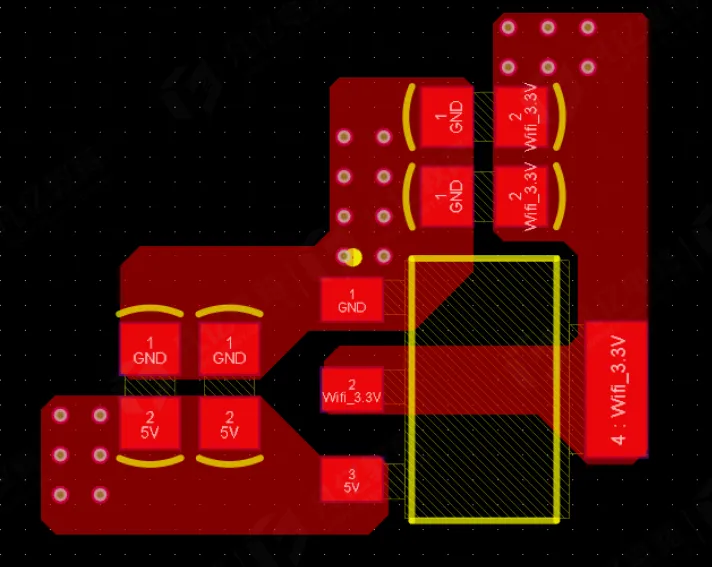
LDO Power PCB Design: Layout and Routing That Keep the Loop Small
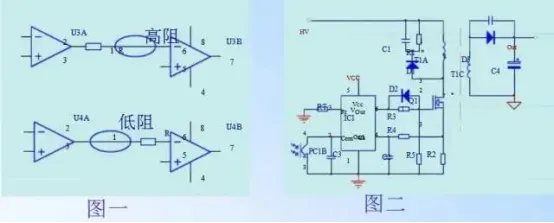
PCB Design Guide: Safety Spacing, EMC, Thermal Design, and Process Details
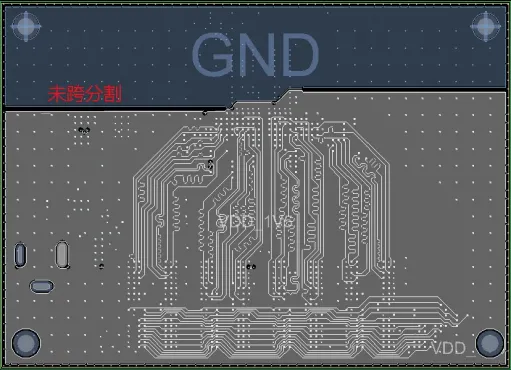
PCB Design Pitfalls: Layout, Routing, and Fabrication Details That Can Fail a Board
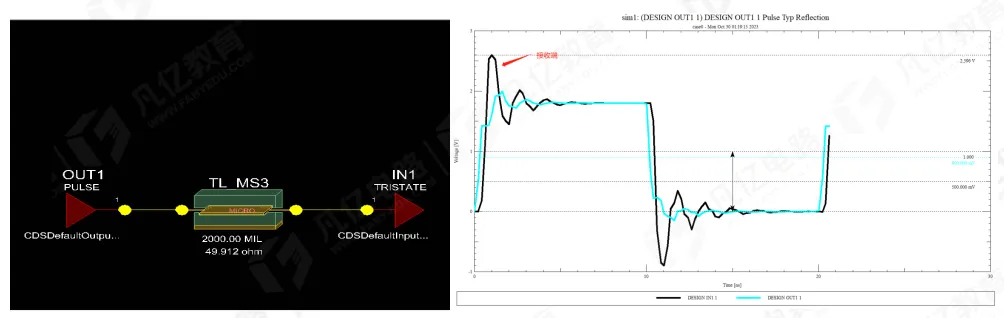
Why a Series Termination Resistor Must Sit Next to the Driver
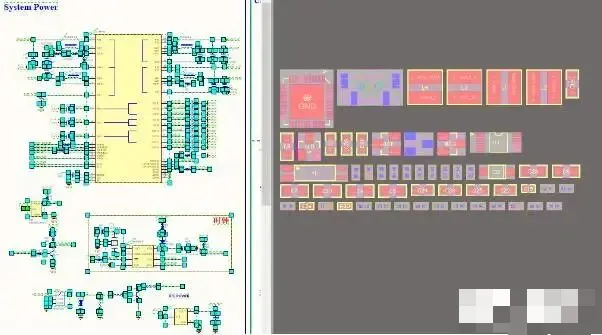
Interactive and Modular Placement to Improve PCB Design Efficiency

How an Overlooked Capacitor Solved Multiple EMC Failures
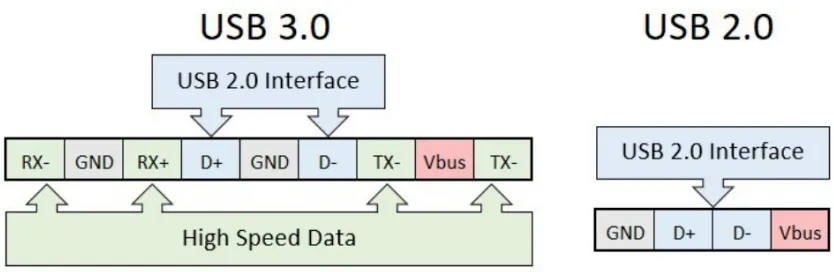
A USB Port Looks Simple. A Bad PCB Layout Turns It Into a Signal Problem
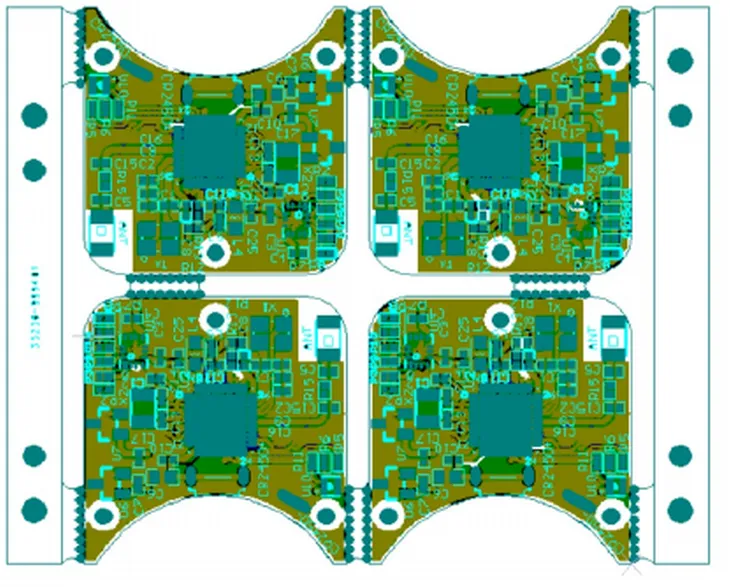
Why a Pick-and-Place Machine Can Still Fail Fiducial Recognition When Three Marks Are Present
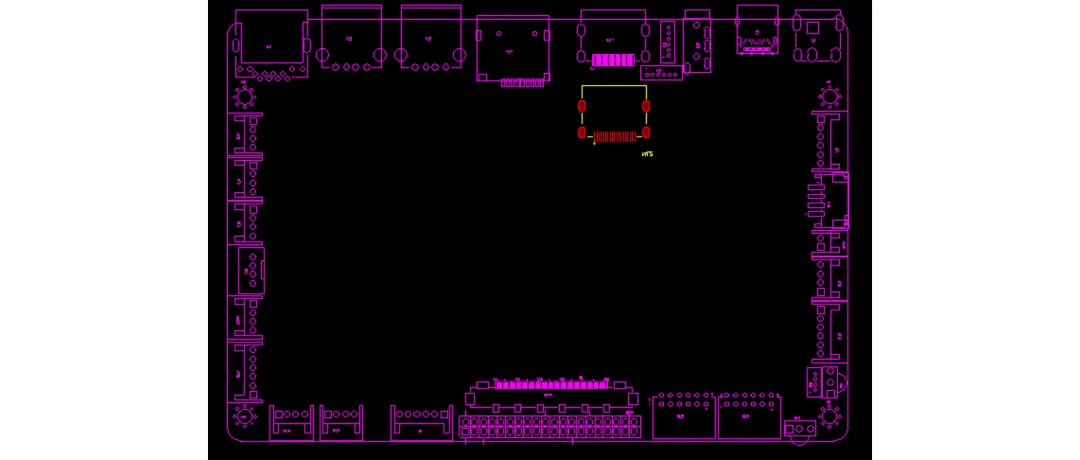
Why a Small Shift in Footprint Origin Moves Every Pick-and-Place Coordinate
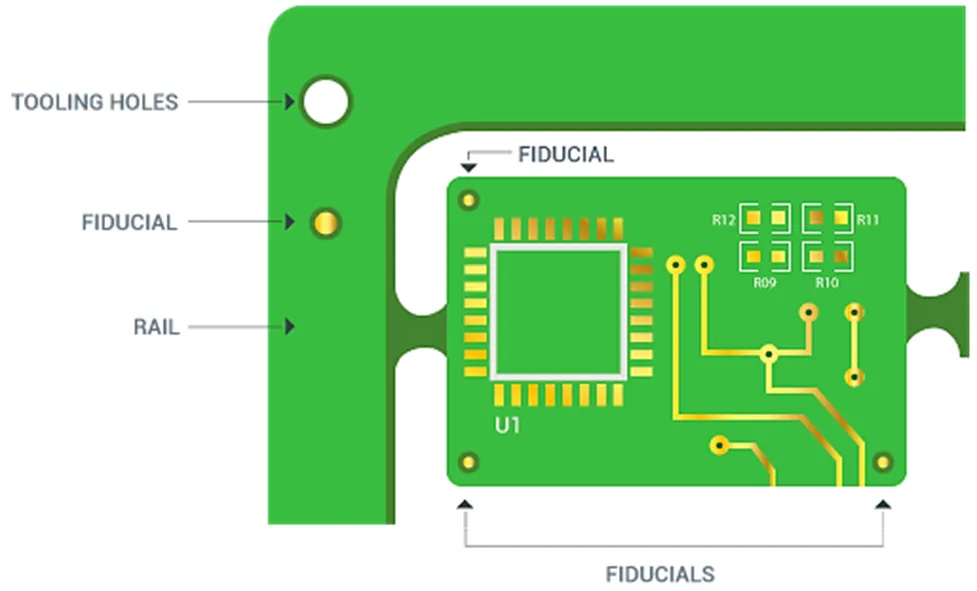
PCB Mounting Holes and Outlines: A Comprehensive Design Guide

Integrating Sensors on Navigation System PCBs: A Design Guide
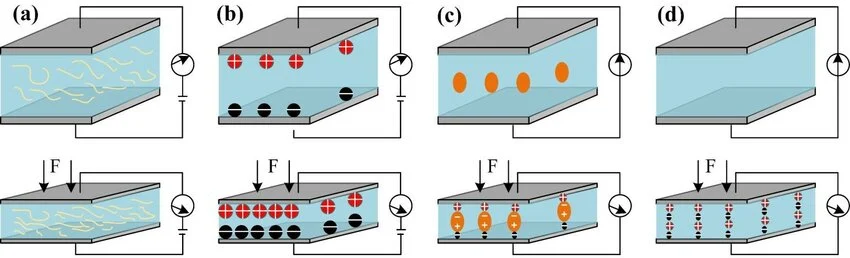
Enhancing PCB Performance: Optimizing Placement and Routing for Pressure Sensors