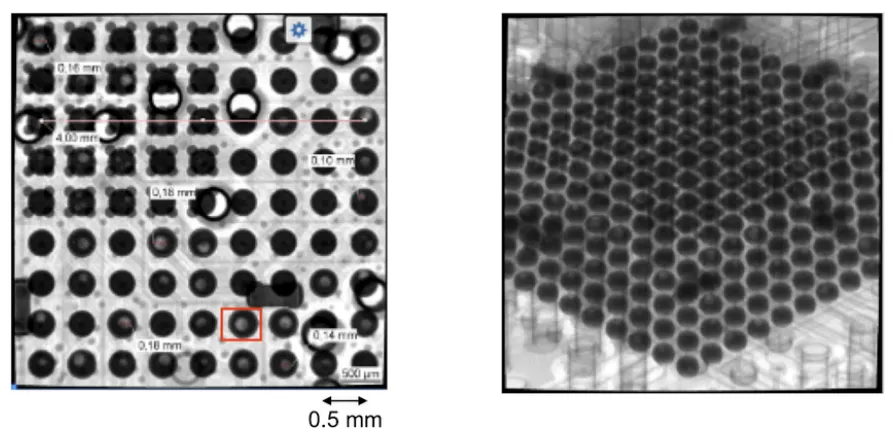
PCB Quality
Printed circuit boards (PCBs) form the backbone of modern electronics, and maintaining high standards in their design, manufacturing, and testing is essential for reliable performance. The PCB Quality tag encompasses a range of topics dedicated to ensuring that these critical components meet rigorous criteria for durability, functionality, and compliance with industry regulations. Whether you are an engineer troubleshooting production issues, a designer aiming to minimize defects, or a manufacturer seeking to optimize processes, this collection of articles offers valuable insights into the factors that influence PCB integrity. Key aspects covered under PCB Quality include material selection, fabrication techniques, and quality assurance protocols that help prevent common problems such as soldering defects, trace failures, or thermal inconsistencies. For instance, understanding IPC standards and implementing thorough inspection methods like automated optical inspection (AOI) or X-ray analysis can significantly reduce rework costs and improve yield rates. Practical applications extend to real-world scenarios, such as designing for high-reliability environments in automotive or aerospace sectors, where even minor flaws can lead to system failures. By delving into these resources, you can access best practices for conducting failure mode and effects analysis (FMEA), selecting reliable suppliers, and integrating quality metrics into your workflow. This knowledge empowers you to make informed decisions that enhance product longevity and performance. Articles linked here provide detailed case studies and step-by-step guides, helping you apply these concepts effectively in your projects.
Technical Articles

Technical Specifications of Measuring Tools

Commissioning and Preparation for Video Surveillance Systems
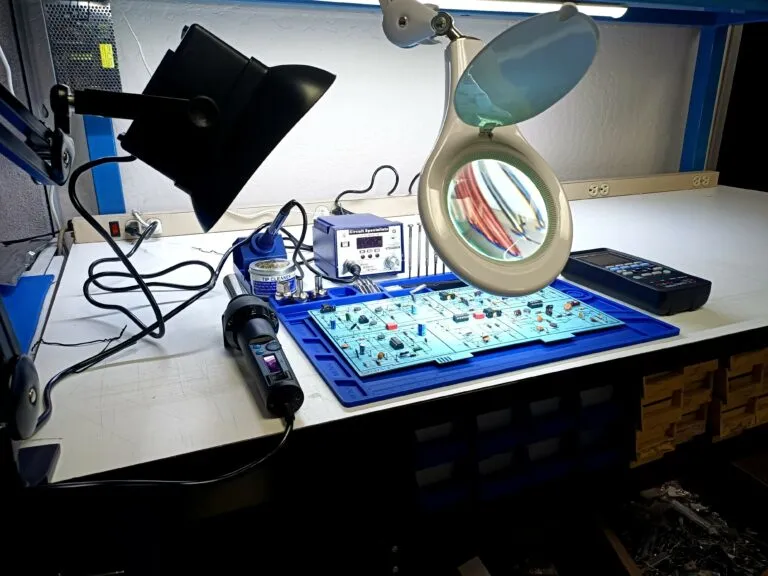
PCB Quality Control for Beginners: A Hobbyist's Guide
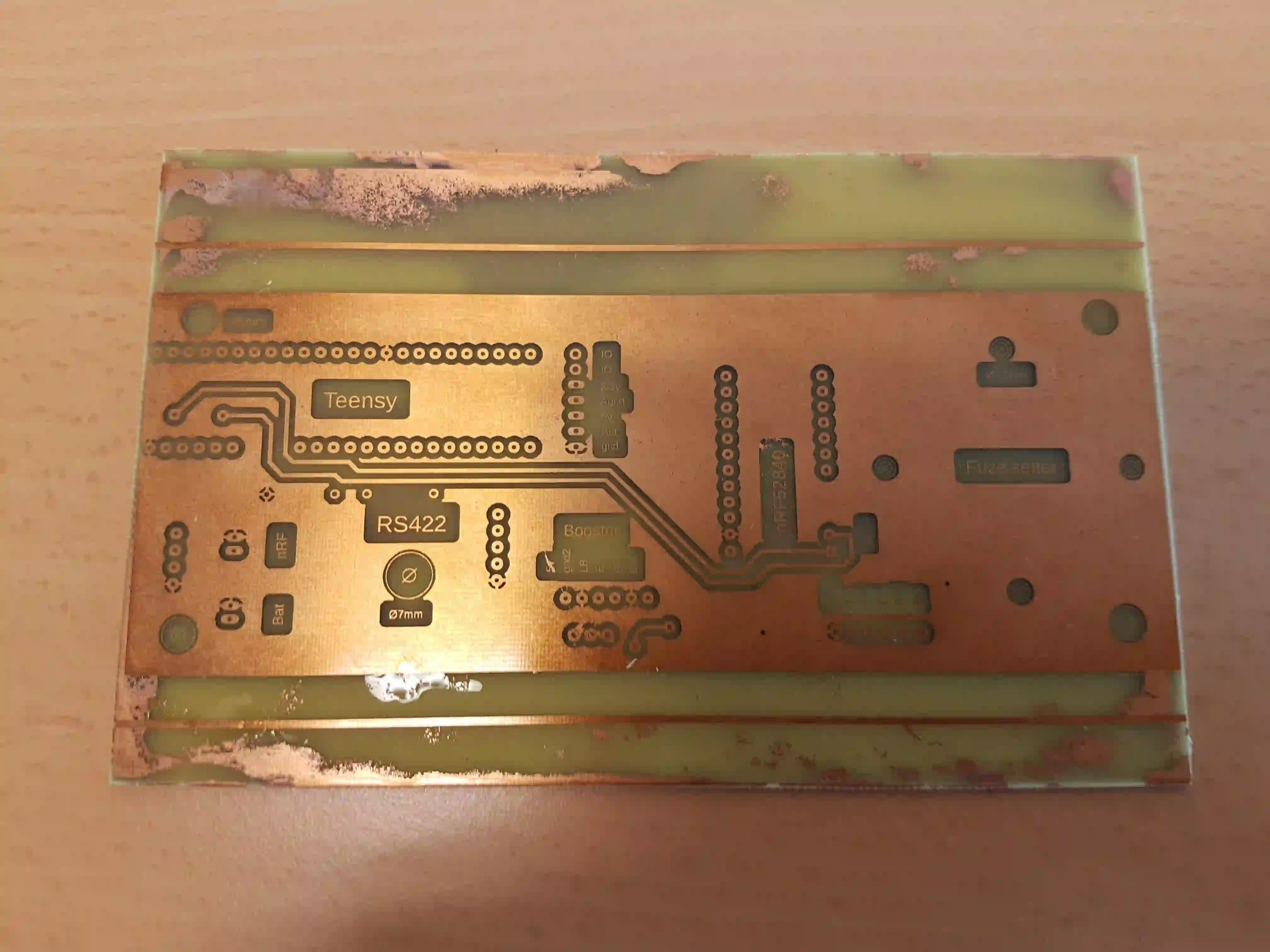
Aluminum PCB Manufacturing Defects: Identification, Prevention, and Solutions
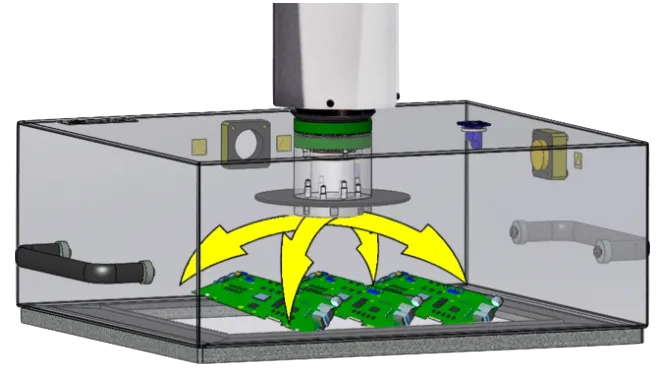
HDI PCB Quality Control: Ensuring Reliability and Performance
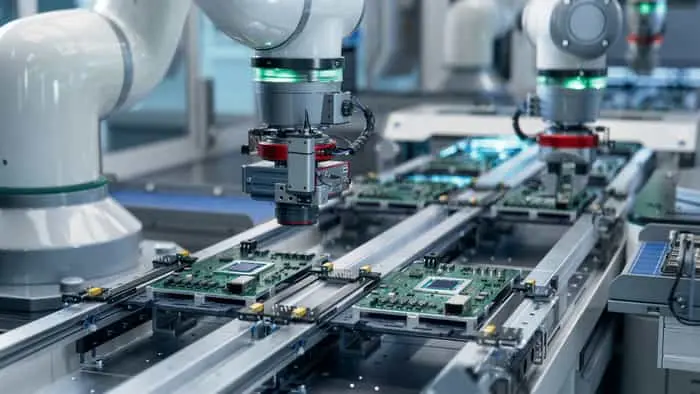
What is the ROI on implementing automation into your PCB assembly
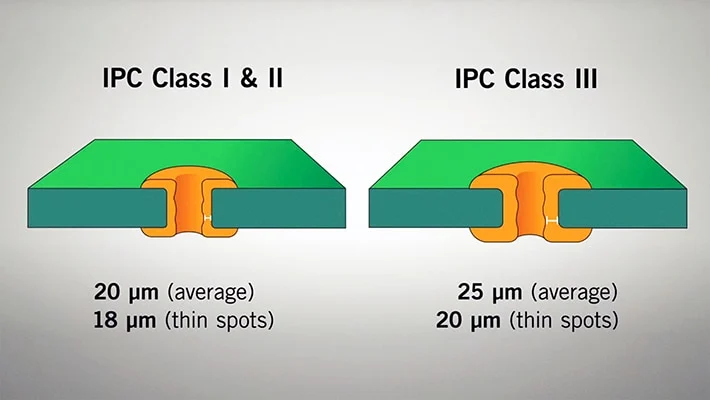
How IPC Standards Impact Quick Turn PCB Quality
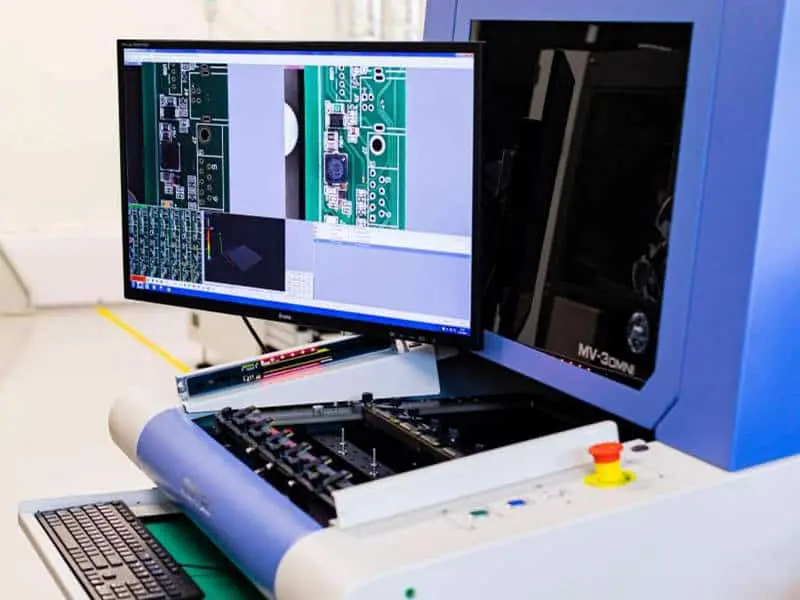
PCB Prototyping Assembly: Ensuring Quality with Automated Optical Inspection (AOI)
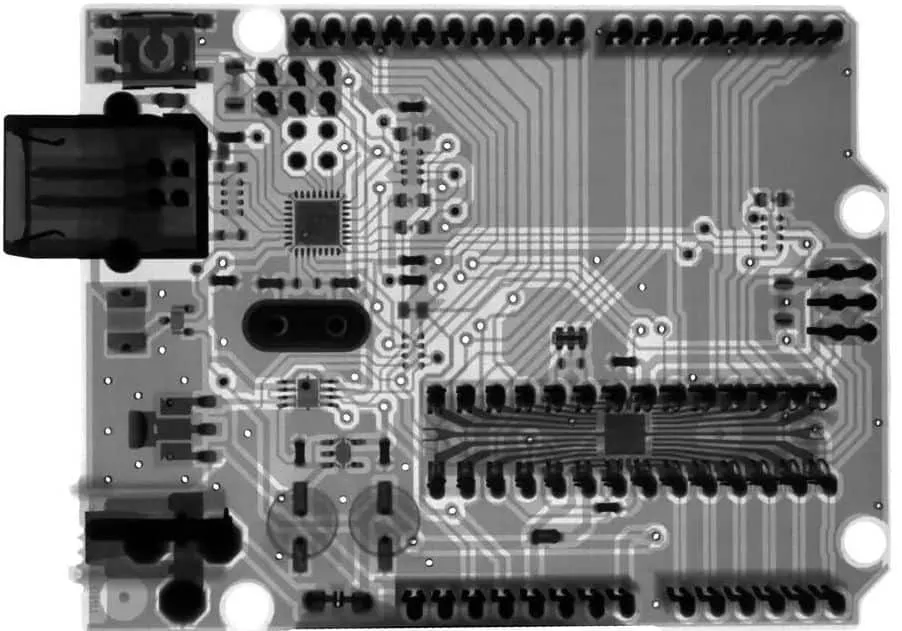
Mastering PCB X-ray Inspection: A Beginner's Step-by-Step Guide
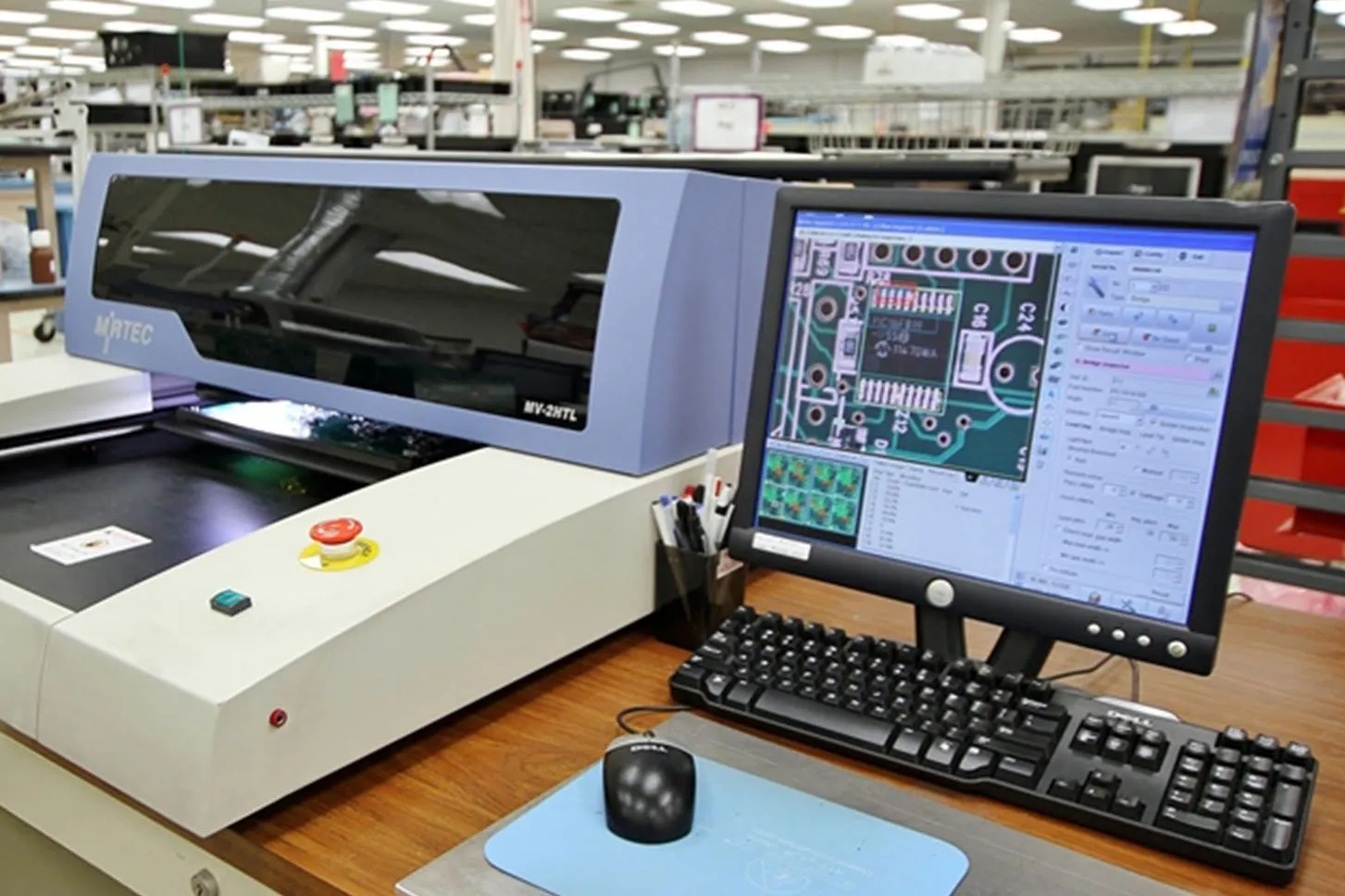
Solder Mask Misalignment: Causes, Consequences, and Solutions for Robust PCB Production
Get in Touch
Send Message
- Products & Service
- Company
- About AIVON
- Contact
- News
- Blog
- Certification
-


- Payment
-


2026 AIVON.COM All Rights Reserved