PFC, BCM, and CCM Modes Explained
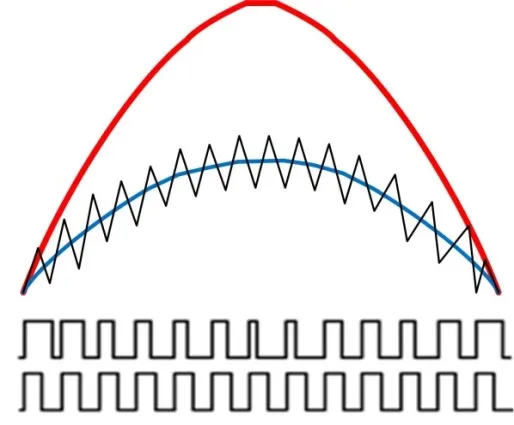
Technical overview of how diode and MOSFET characteristics affect PFC efficiency, comparing single-stage vs interleaved and BCM vs CCM, highlighting diode trr impact.
Analog Technology forms the backbone of countless electronic systems, bridging the gap between the physical world and digital processing. In this category, we delve into the principles and applications of analog circuits, signals, and components that enable precise control and manipulation of continuous variables. From amplifiers and filters to oscillators and sensors, these elements remain essential in modern electronics, even as digital technologies advance. Understanding analog technology equips engineers and hobbyists with the tools to design robust systems that handle real-time data with accuracy and efficiency. Our collection of articles offers comprehensive guides on foundational concepts, such as signal integrity and noise reduction, alongside advanced tutorials on circuit simulation and optimization. Readers will find practical insights into selecting components for high-performance analog designs, including best practices for PCB layout to minimize interference and ensure reliability. Whether you are troubleshooting a voltage regulator or integrating analog interfaces in IoT devices, these resources provide actionable strategies drawn from industry expertise. The real-world relevance of analog technology shines in applications like audio processing, medical instrumentation, and automotive systems, where precision and responsiveness are critical. By examining case studies and innovative approaches within this category, you can enhance your skills in creating efficient, cost-effective solutions. Articles here also address emerging trends, such as hybrid analog-digital systems, helping you stay ahead in evolving fields like renewable energy and telecommunications. Engaging with these topics fosters a deeper appreciation for how analog principles drive technological innovation, making it worthwhile to review multiple pieces for a well-rounded perspective.
Technical overview of how diode and MOSFET characteristics affect PFC efficiency, comparing single-stage vs interleaved and BCM vs CCM, highlighting diode trr impact.
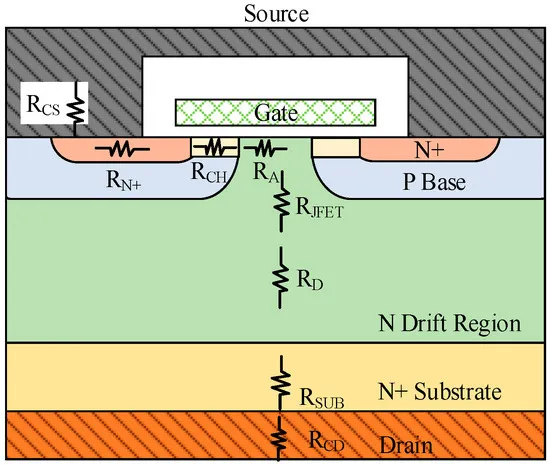
Technical overview of MOSFET failure mechanisms — SOA limits, avalanche breakdown, and dV/dt-induced parasitic bipolar conduction, with test considerations.
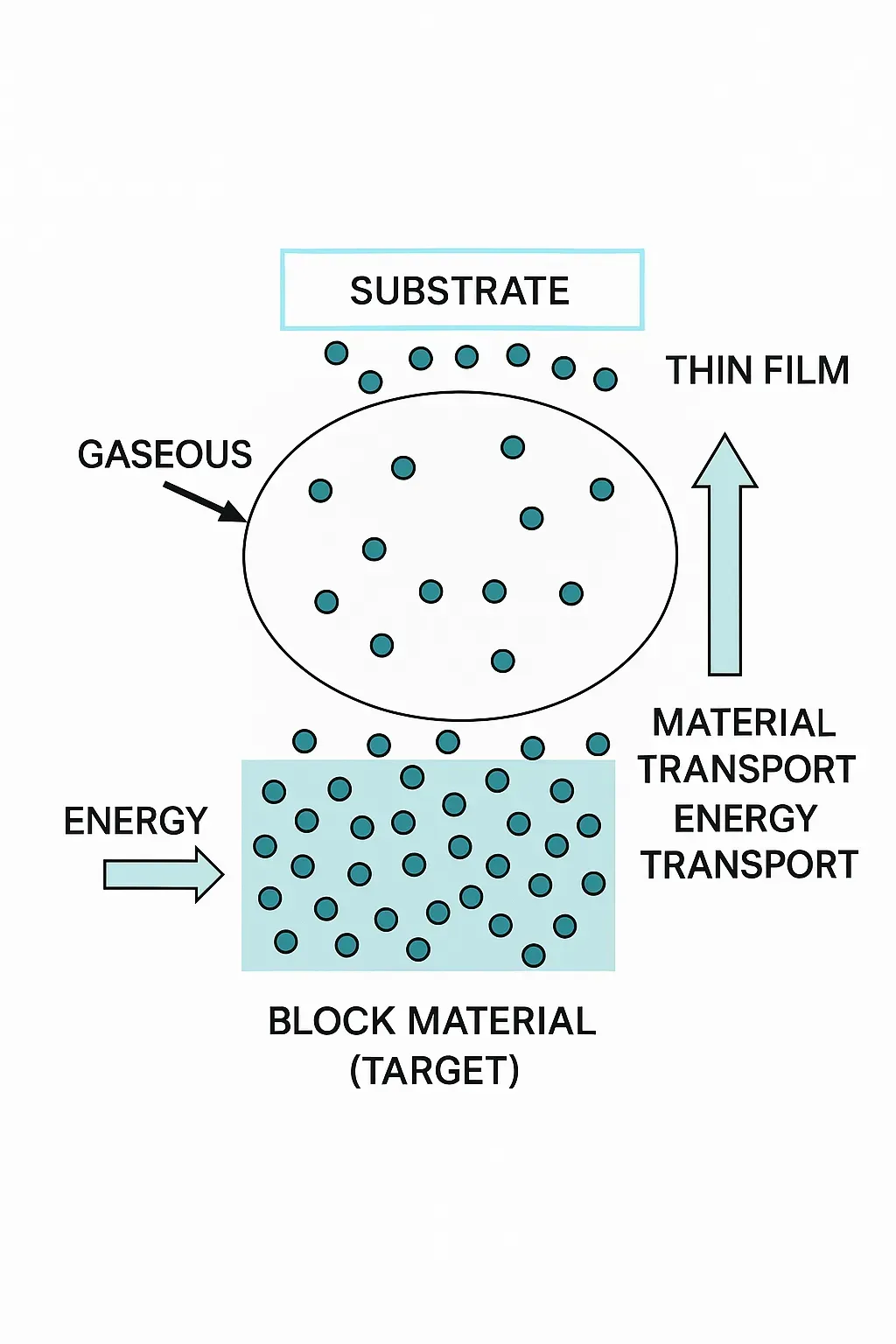
Review of silicon carbide (SiC) technology covering crystal structure, epitaxy, wafer manufacturing, device design, packaging, and power electronics applications.
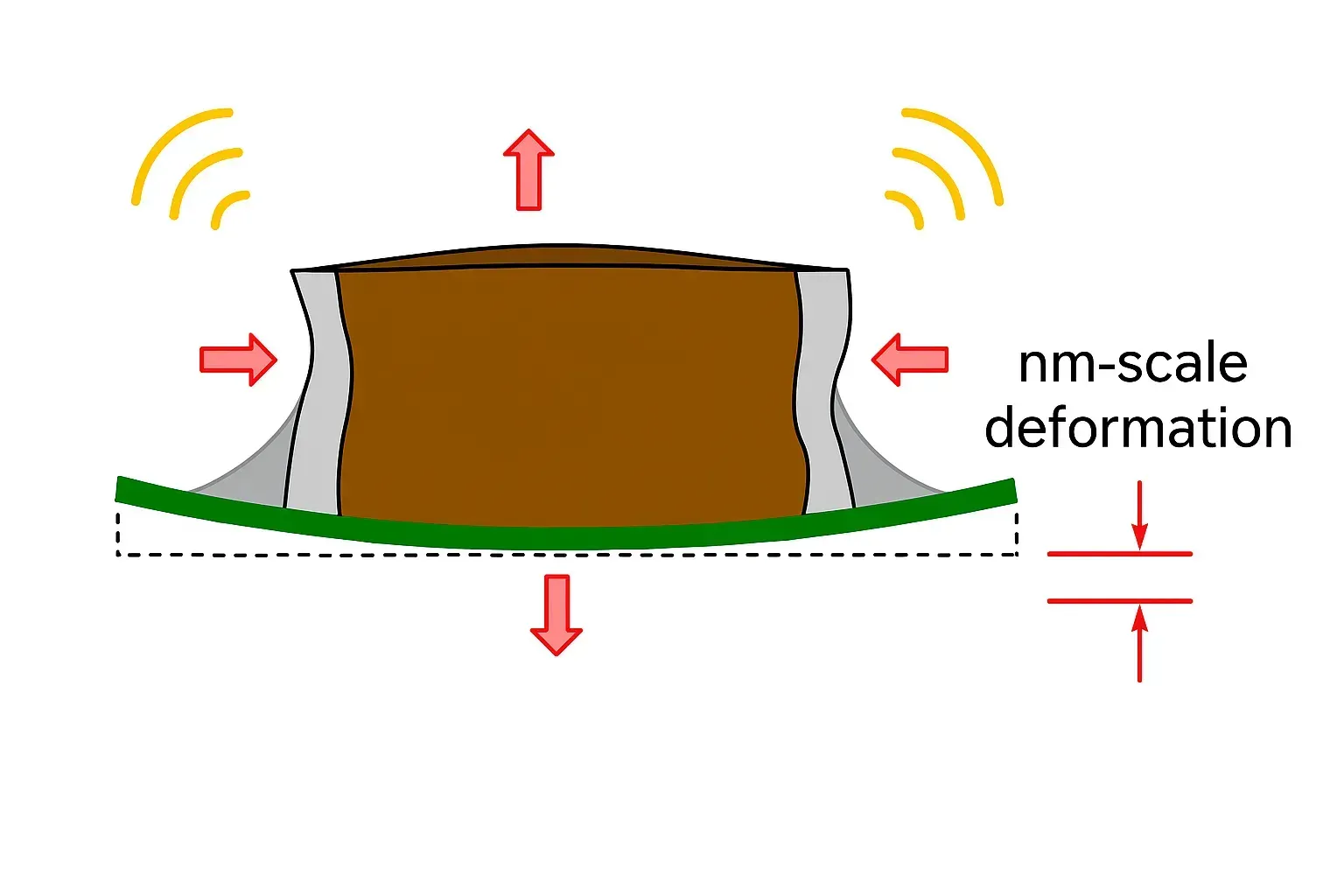
Explains why MLCCs can emit audible noise: inverse piezoelectric deformation in Class II dielectrics, vibration transmission to PCB, and practical mitigation strategies.
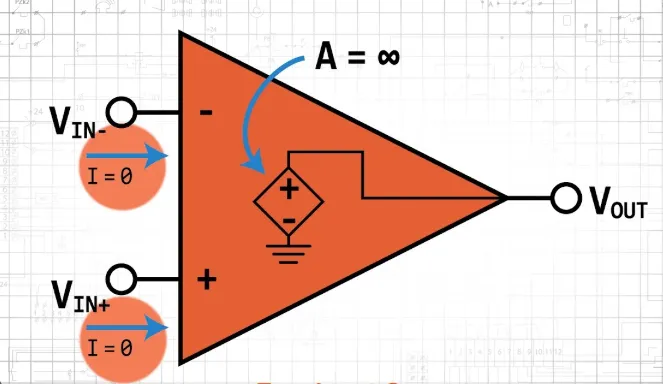
Explains op amp analysis using virtual short and virtual open assumptions, deriving gains for inverting, noninverting, summing and differential amplifier topologies.
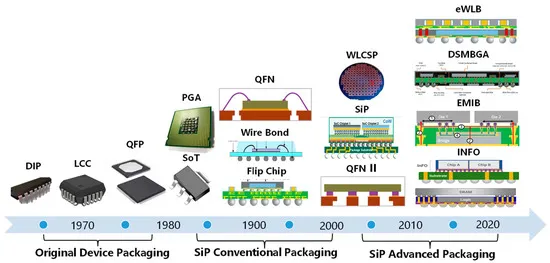
Overview of SiC power module packaging trends: silver sintering, copper interconnects and advanced substrates (AMB, silicon nitride) for improved thermal performance and reliability.
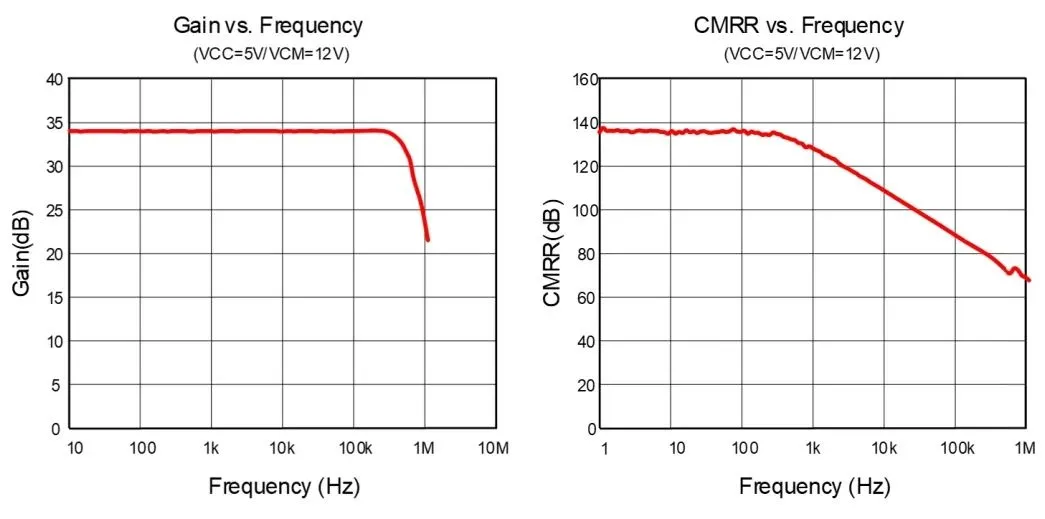
SA59131 high-precision current-sense amplifier with 500 kHz bandwidth, -4V to 80V common-mode range and enhanced PWM suppression for motor control, SMPS, and BMS.
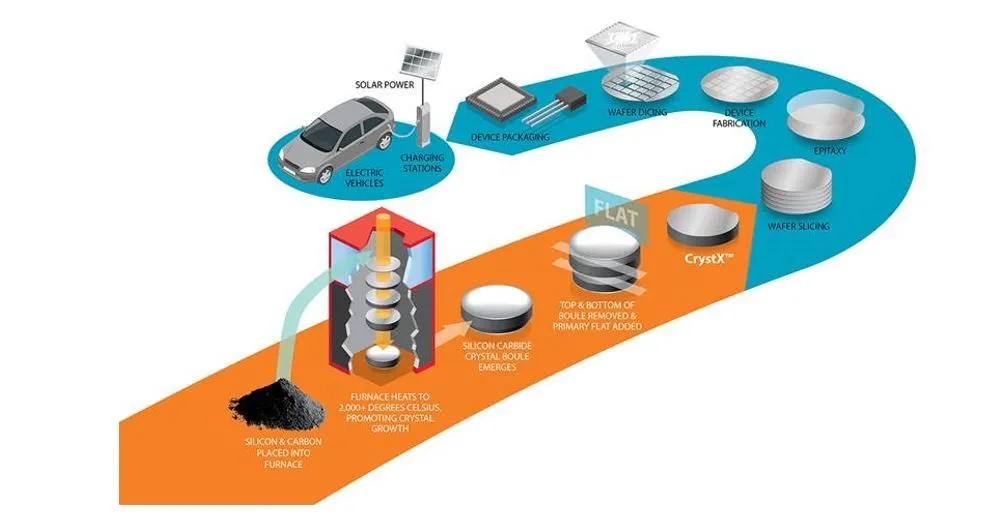
Overview of silicon carbide (SiC) device manufacturing: crystal growth, epitaxy, substrate processing and distinctions between conductive power devices and semi-insulating RF use.
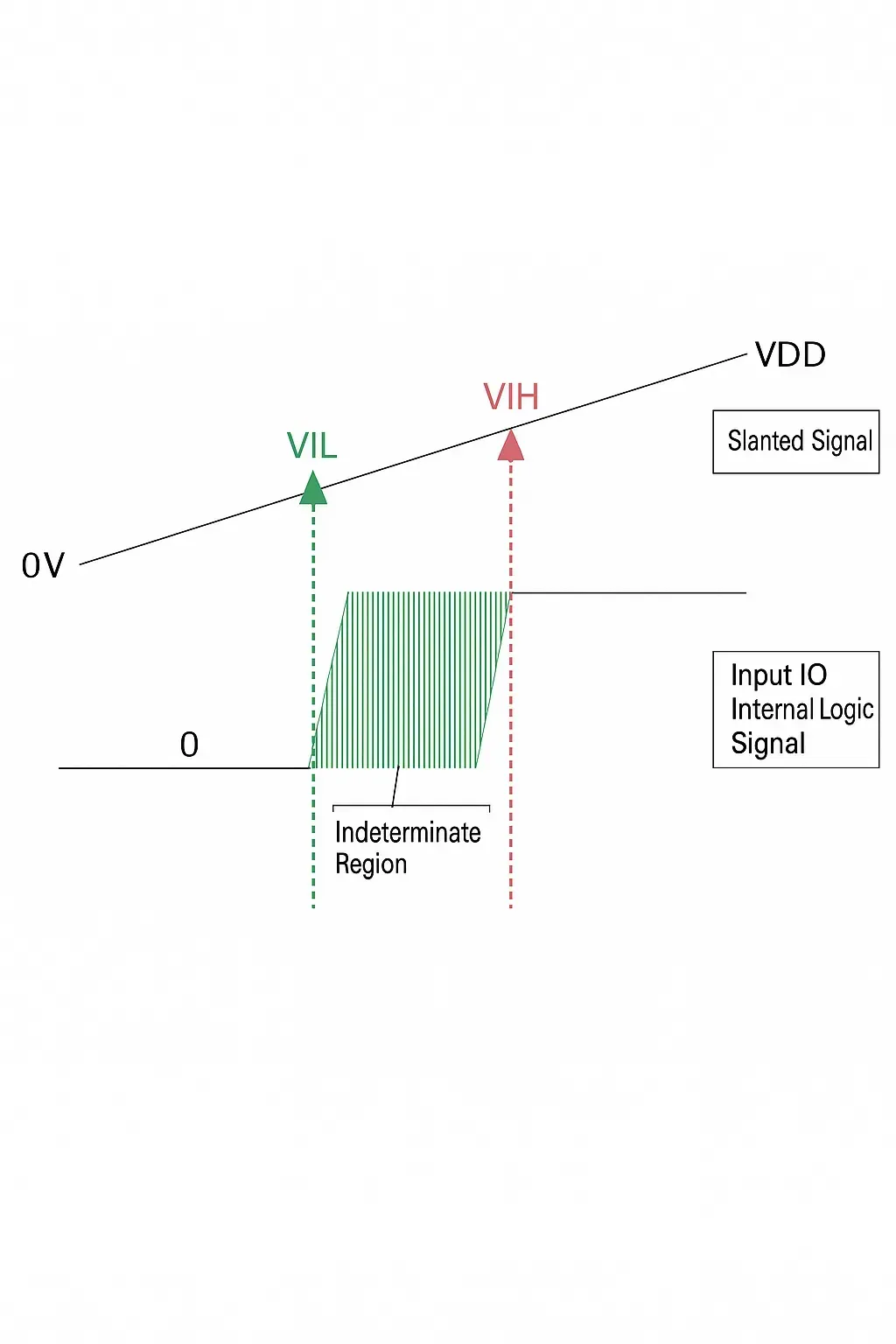
Overview of chip IO circuit functions, classifications, and parameters, focusing on ground bounce effects and simulation methods to measure VIH/VIL using ramp and step inputs.
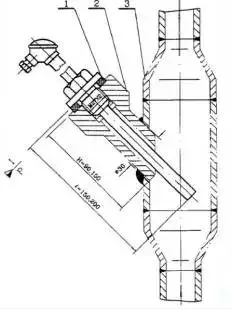
Technical guide to thermocouples and RTDs covering measurement principles, sensor selection, wiring, installation guidelines, field troubleshooting, and maintenance.
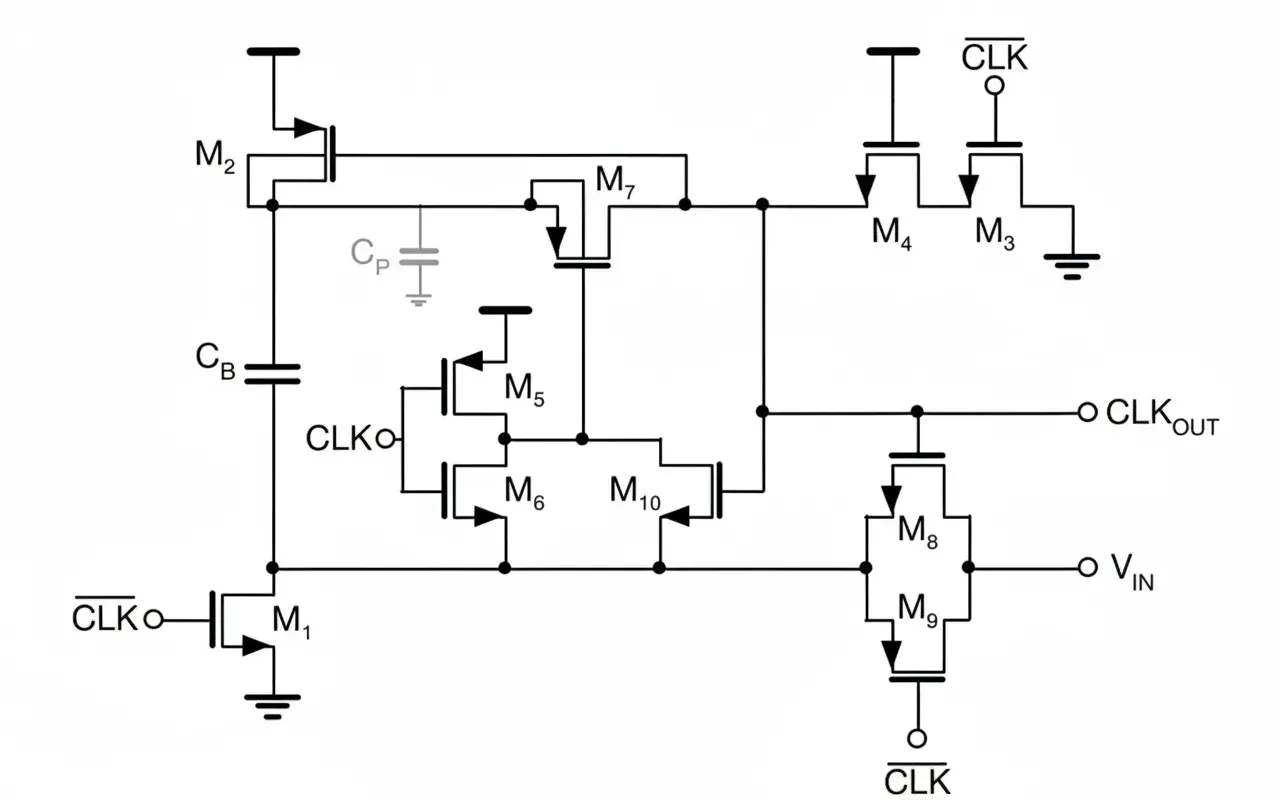
Analysis of ADC sampling-switch errors: charge injection and nonlinear on-resistance, and a gate bootstrap circuit to stabilize VGS and reduce sampling distortion.
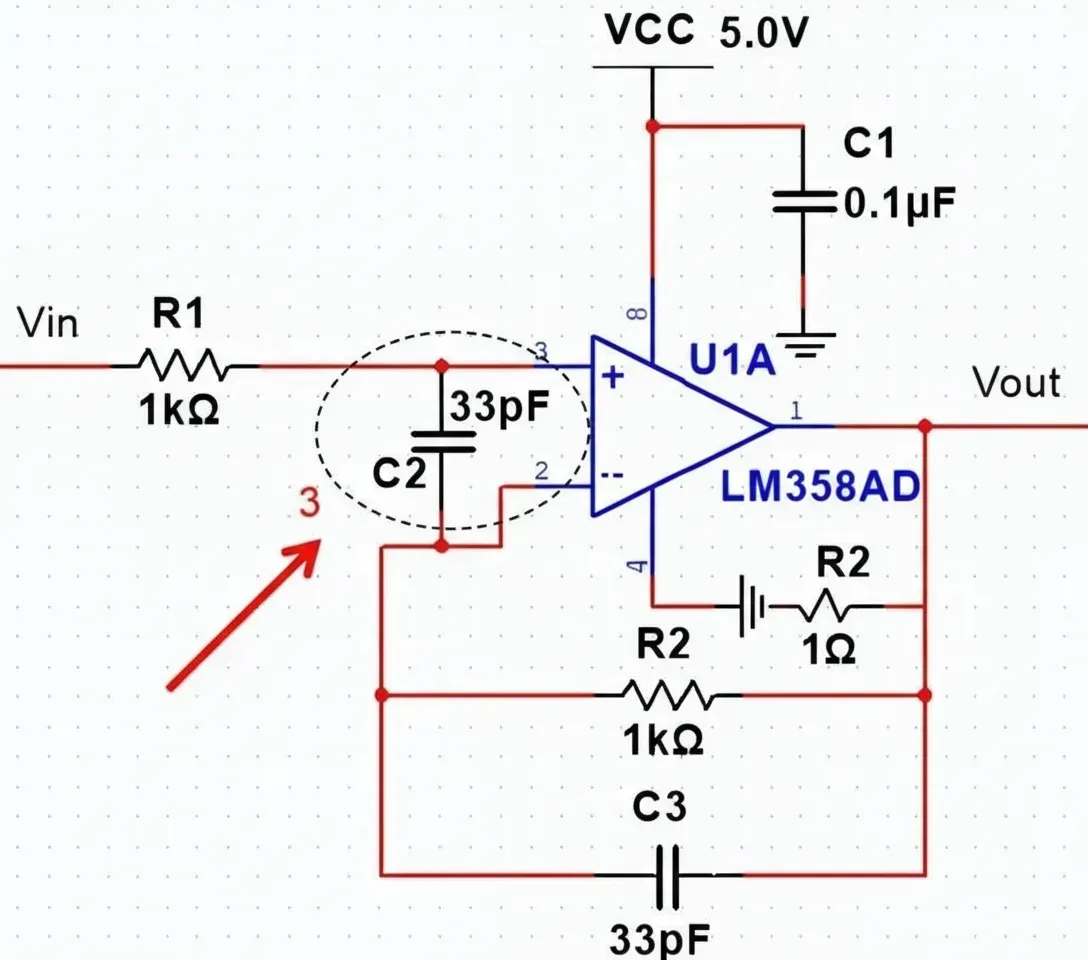
Overview of capacitors in op amp circuits: power supply decoupling, feedback compensation and input-differential caps; functions, typical values and stability impact.