Polyimide PCB
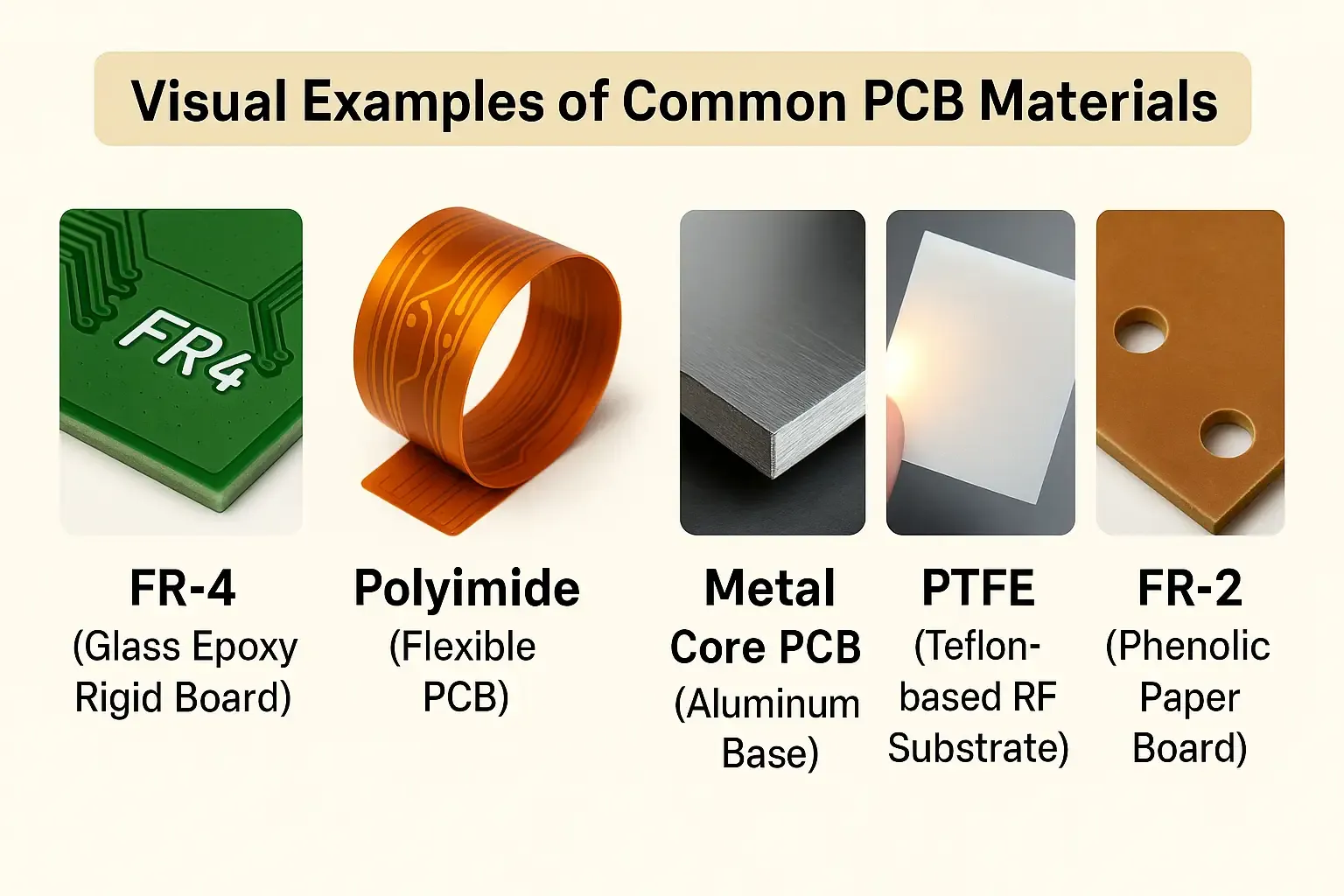
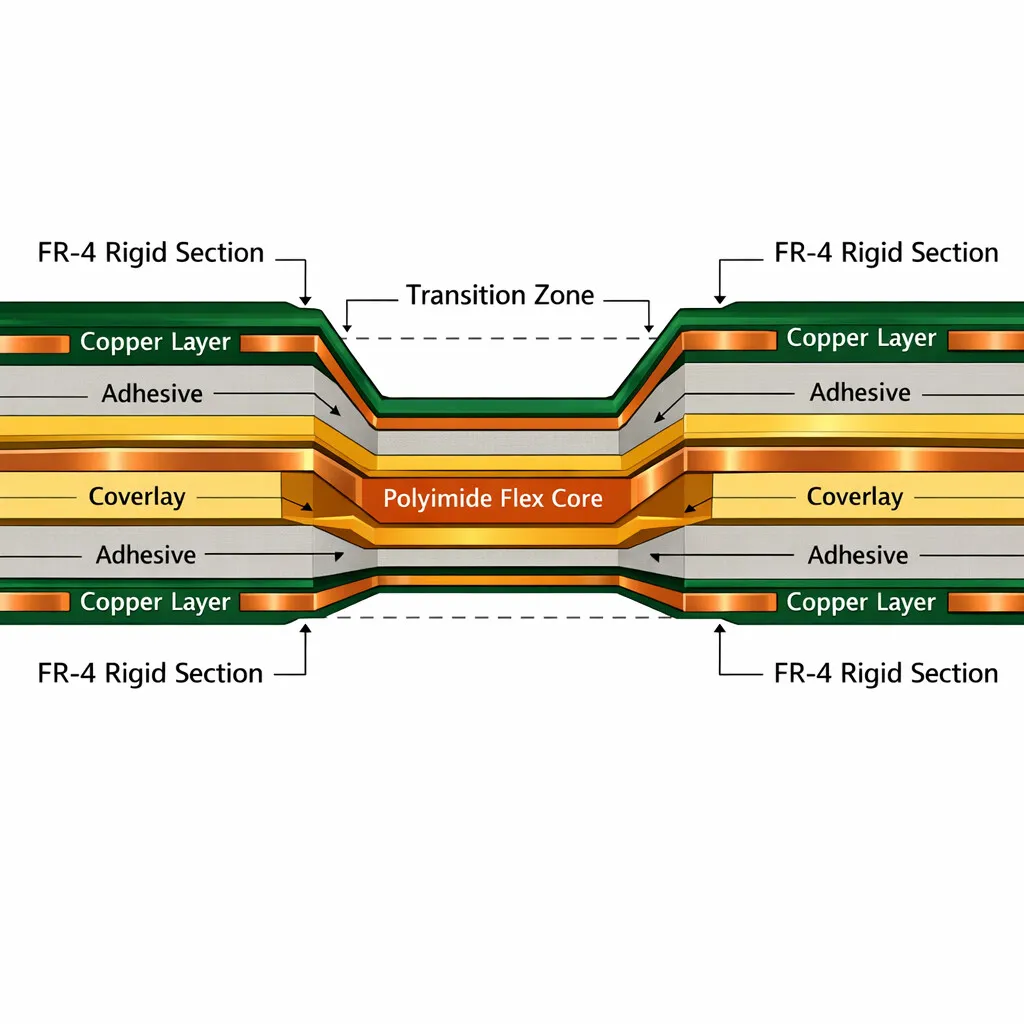
Polyimide PCBs represent a specialized class of flexible circuit boards engineered for demanding environments where traditional rigid substrates fall short. Constructed from polyimide films like Kapton, these boards offer exceptional thermal stability, withstanding temperatures up to 400°C or higher, making them ideal for applications in aerospace, automotive, and industrial electronics. If you are searching for Polyimide PCB solutions, you likely need reliable options for high-heat scenarios, such as engine control modules or wearable devices that require flexibility without compromising performance. One key advantage of Polyimide PCBs is their mechanical resilience, allowing them to bend and flex repeatedly without cracking or delaminating. This makes them suitable for compact designs in consumer electronics, medical devices, and military equipment. For engineers and designers, understanding the material's dielectric properties is crucial; polyimide provides low dielectric constants and excellent insulation, which supports high-frequency signal integrity in RF applications. Best practices include selecting appropriate copper thicknesses to balance flexibility and conductivity, and incorporating stiffeners for added rigidity in hybrid flex-rigid configurations. When integrating Polyimide PCBs into your projects, consider factors like moisture absorption and chemical resistance to ensure longevity. Manufacturing processes often involve laser drilling for precise vias and advanced lamination techniques to maintain layer alignment. Articles in this tag delve into these topics, offering practical guidance on design considerations, cost-effective prototyping, and troubleshooting common issues like thermal expansion mismatches. By exploring these resources, you can gain insights into optimizing Polyimide PCB performance for your specific needs, from prototyping to full-scale production.
Technical Articles