 03:18
03:18
SMT Reflow
Surface-mount technology (SMT) reflow soldering is a cornerstone process in modern electronics manufacturing, enabling the precise attachment of components to printed circuit boards (PCBs) through controlled heating and cooling cycles. This tag, SMT Reflow, encompasses a range of articles dedicated to exploring the intricacies of this method, from fundamental principles to advanced troubleshooting techniques. If you are an engineer, technician, or hobbyist searching for reliable information on SMT reflow, you will find valuable resources here that demystify the process and address common challenges in PCB assembly. At its core, SMT reflow involves applying solder paste to board pads, placing components, and then subjecting the assembly to a reflow oven or similar equipment to melt the paste and form strong electrical connections. Understanding key elements like temperature profiles, preheat zones, peak temperatures, and cooling rates is essential for achieving defect-free results. Our content highlights practical applications, such as optimizing reflow profiles to prevent issues like tombstoning, bridging, or insufficient wetting, which can compromise board reliability. For instance, articles discuss best practices for selecting appropriate solder alloys, calibrating equipment, and integrating reflow with automated assembly lines, helping users enhance production efficiency and yield rates in both small-scale prototyping and high-volume manufacturing. Whether you are refining your reflow process for consumer electronics, automotive systems, or IoT devices, the insights provided under this tag offer actionable strategies backed by industry expertise. By delving into these topics, you can gain a deeper understanding of how to adapt reflow techniques to specific materials and designs, ultimately leading to more robust and cost-effective PCB production. The collection of articles here serves as a comprehensive guide, equipping you with the knowledge to tackle real-world scenarios and stay ahead in electronics innovation.
Video Guide
-
03:18
Technical Articles
Preventing Tombstoning: A Guide to Flawless PCB Assembly
High Volume PCB Assembly: Ensuring Regulatory Compliance and Certifications
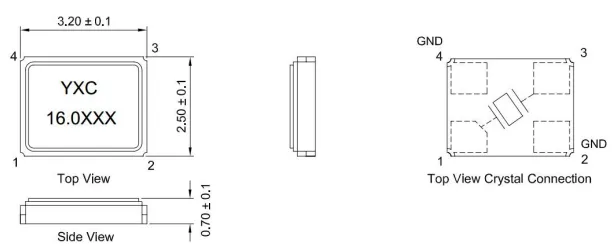
SMD Crystal Oscillators: A Comprehensive Guide to Surface Mount Technology
SMD Fuses: Compact Circuit Protection for High Density PCBs
Surface Mount Current Sensors: Miniaturization Strategies for High Density PCB Assemblies
Troubleshooting Common Issues in PTFE PCB Assembly
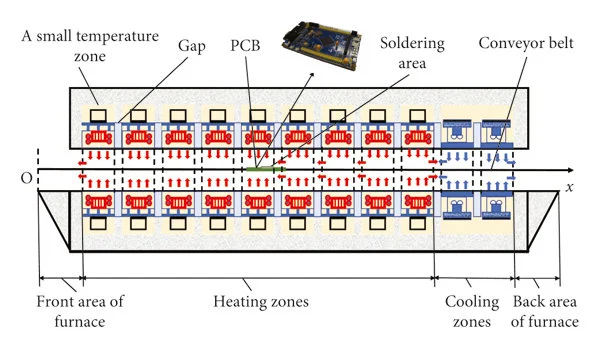
Advanced PCB Reflow Soldering Techniques: Convection vs. Vapor Phase

PCB Reflow Soldering and Component Orientation: Minimizing Defects
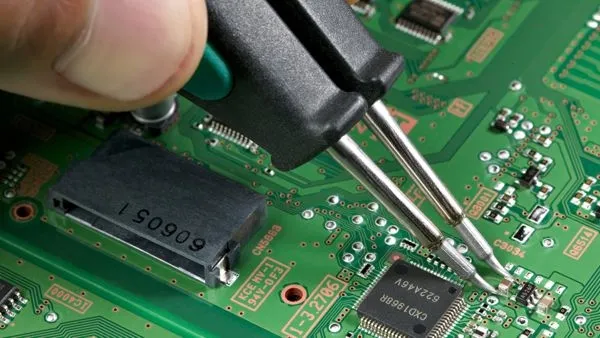
Manual Pick and Place Guide: Mastering SMT Assembly at Home
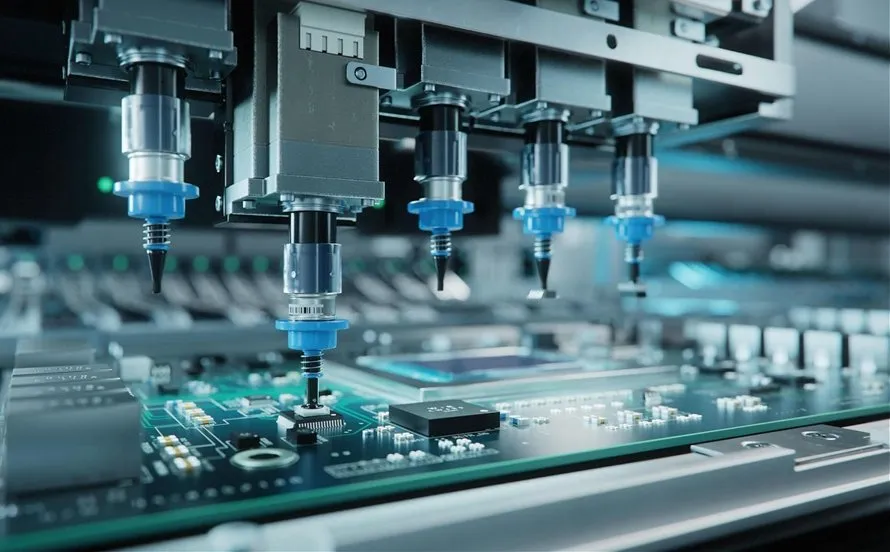
Mastering PCB Assembly: A Comprehensive Guide to Surface Mount Technology
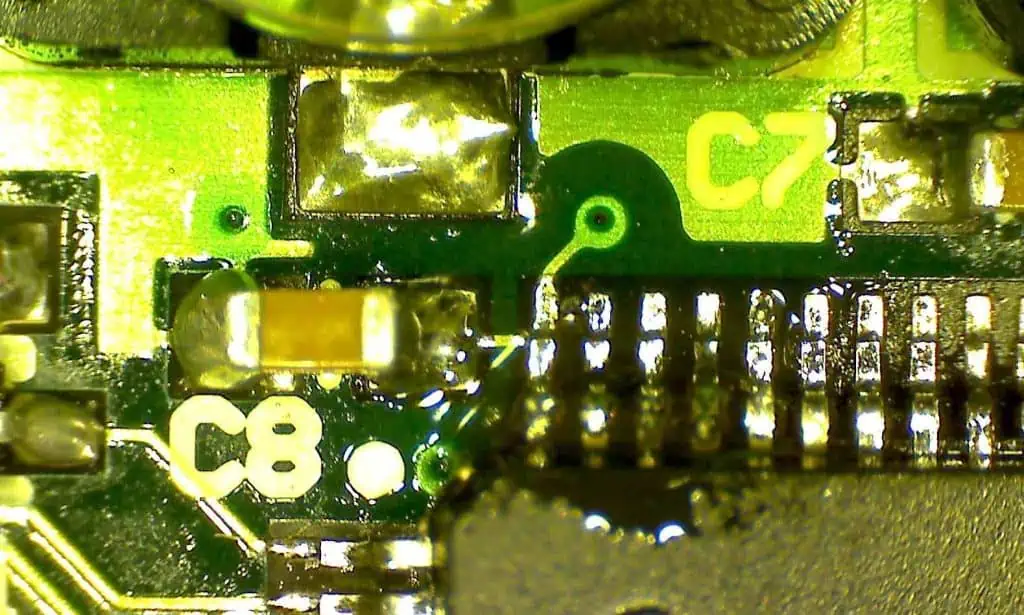
Common SMT PCB Assembly Defects
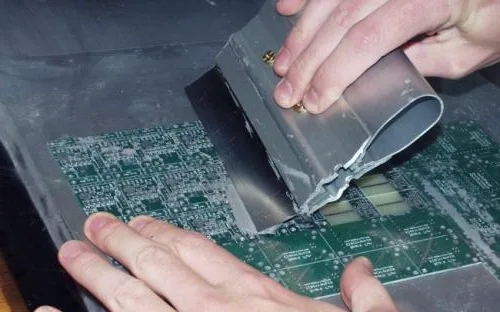
Step by Step: Reflowing SMT Components on Aluminum PCBs for Beginners
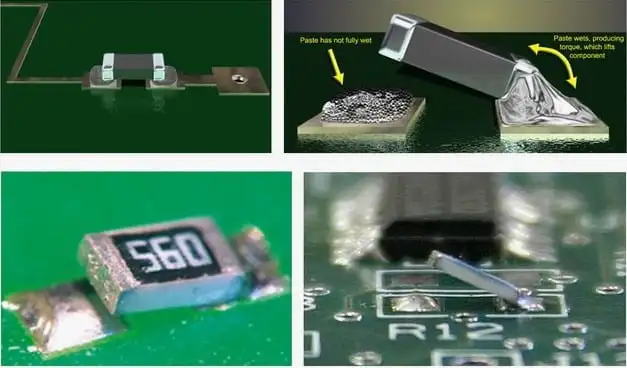
Troubleshooting Common Reflow Oven Problems: A Practical Guide for Electronics Manufacturers
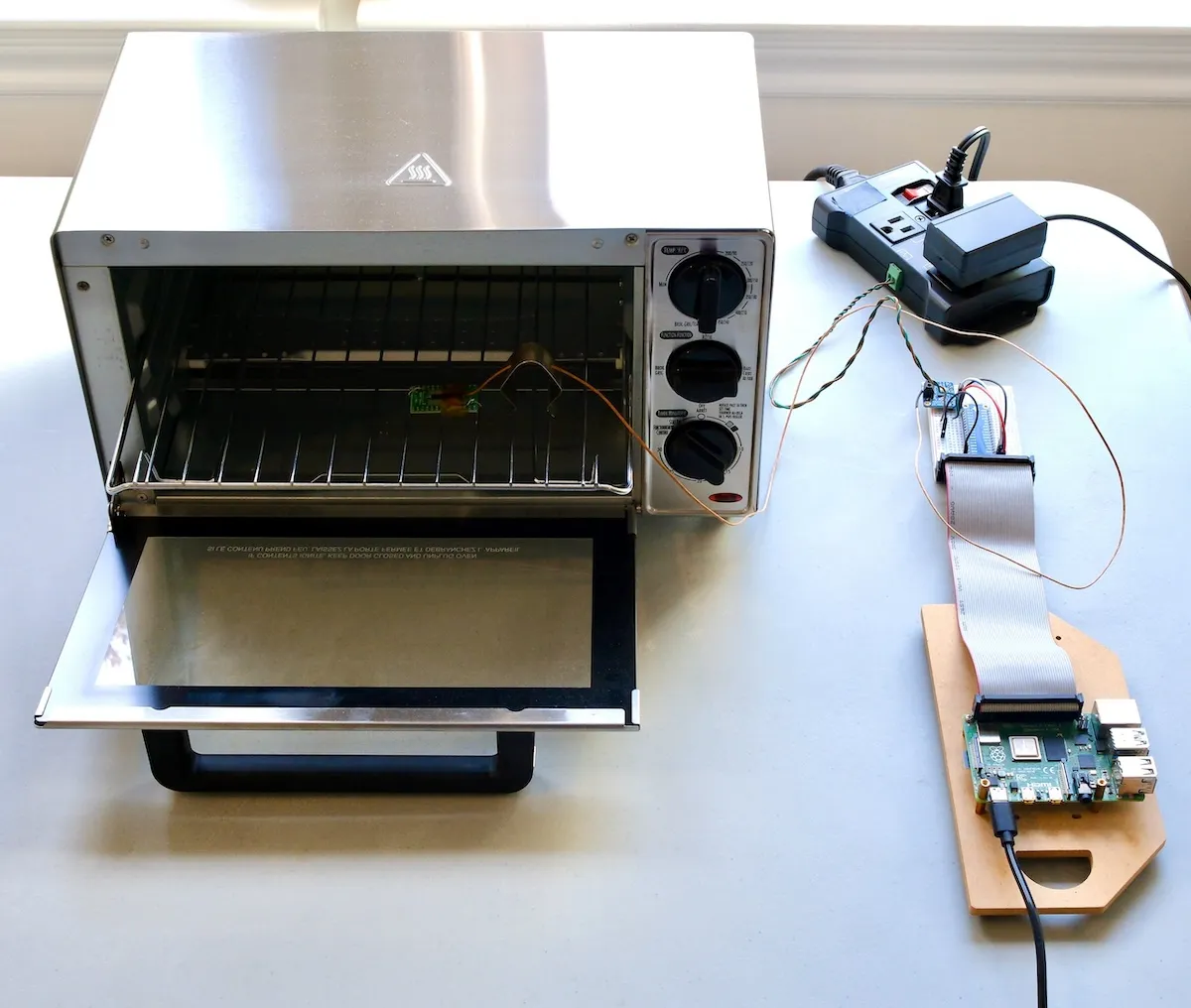
DIY Reflow Oven Conversion: Turning a Toaster Oven into a PCB Assembly Powerhouse
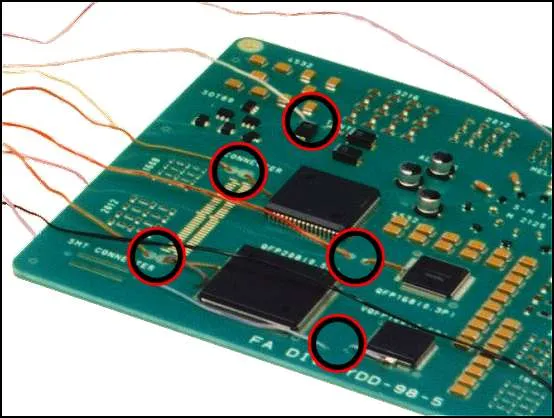
Mastering Thermal Profiling of PCB: A Guide to Reflow Process Optimization
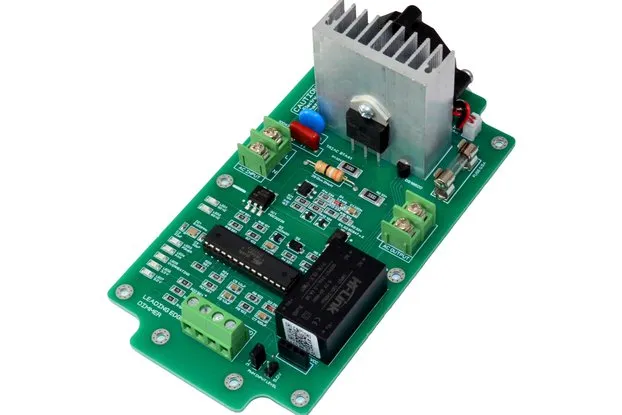
Wireless Thermal Profiling Equipment: Revolutionizing PCB Assembly
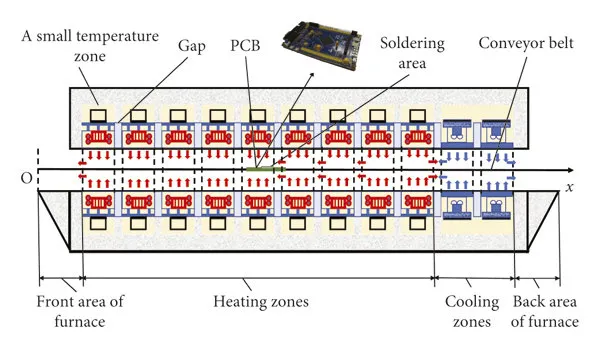
Troubleshooting Reflow Issues with Advanced Thermal Profiling
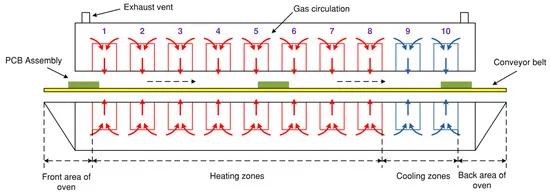
The Impact of PCB Substrate Material on Thermal Performance During SMT Assembly
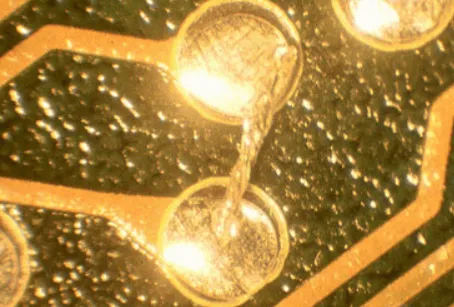
Solder Balling: Identifying Causes and Implementing Effective Prevention Methods