Solder Joint Inspection
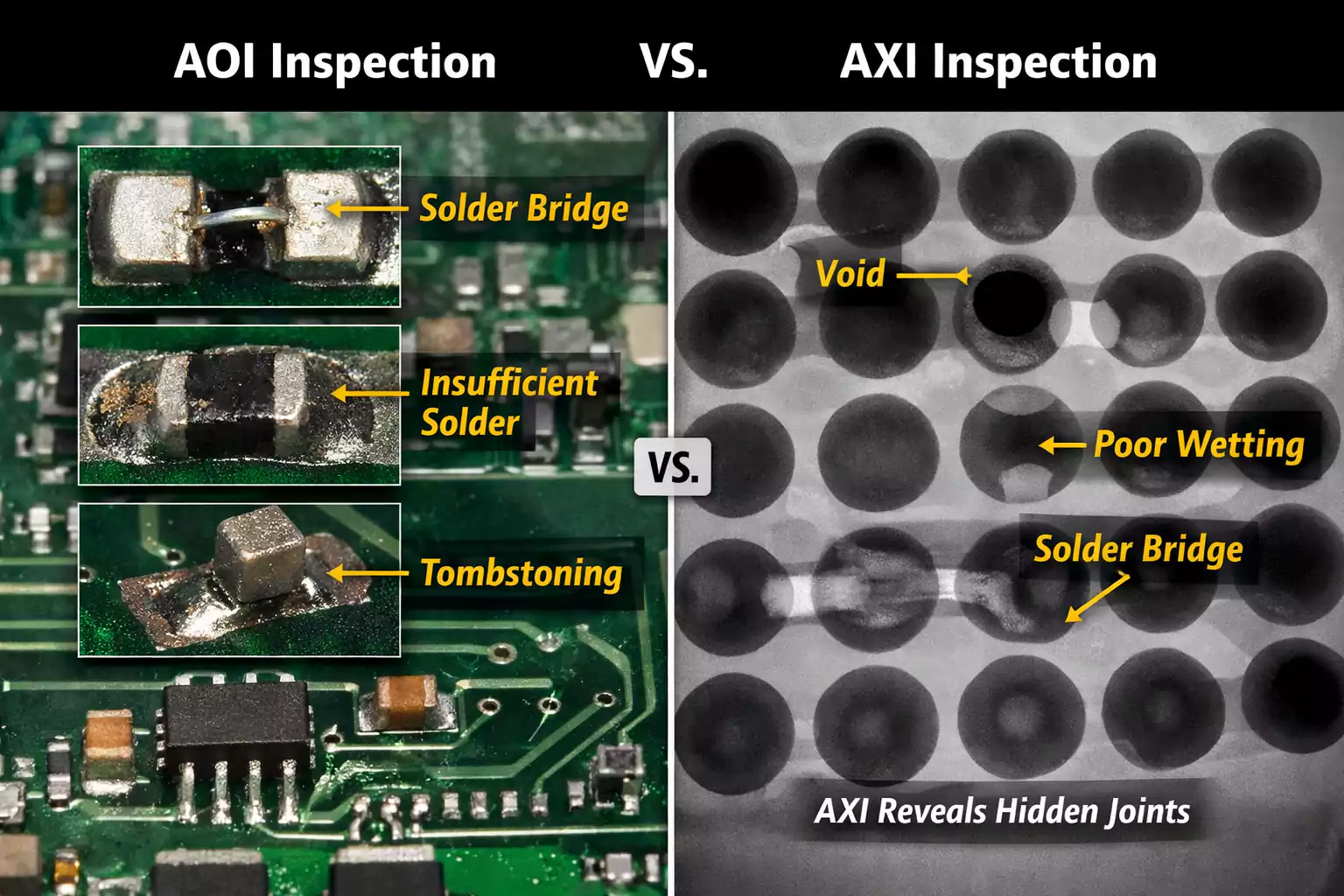
Solder joint inspection plays a critical role in ensuring the reliability and performance of printed circuit boards and electronic assemblies. As electronic devices become more complex, the quality of solder connections directly impacts functionality, longevity, and safety. This tag focuses on the various methods and best practices for evaluating solder joints, helping engineers, technicians, and manufacturers detect defects early in the production process or during troubleshooting. Common inspection techniques include visual examination using magnification tools, automated optical inspection systems, and advanced methods like X-ray imaging or cross-sectioning for hidden flaws. By understanding these approaches, you can identify issues such as cold joints, bridging, voids, or insufficient solder that might lead to failures in high-stakes applications like automotive electronics or medical devices. Adhering to industry standards, such as those from the IPC, provides a framework for consistent evaluation and improves overall assembly quality. For those seeking practical guidance, articles under this Solder Joint Inspection tag offer step-by-step tutorials on implementing inspection protocols, selecting appropriate equipment, and interpreting results to optimize manufacturing workflows. Whether you are diagnosing a prototype failure or scaling up production, these resources emphasize preventive measures that reduce rework costs and enhance product durability. Browsing the related content can provide deeper insights into real-world case studies and emerging technologies in solder joint analysis, supporting your efforts to achieve robust electronic designs.
Video Guide
No videos found for this tag.
Technical Articles
Get in Touch
Send Message
- Products & Service
- Company
- About AIVON
- Contact
- News
- Blog
- Certification
-


- Payment
-


2026 AIVON.COM All Rights Reserved