Solder Mask Troubleshooting
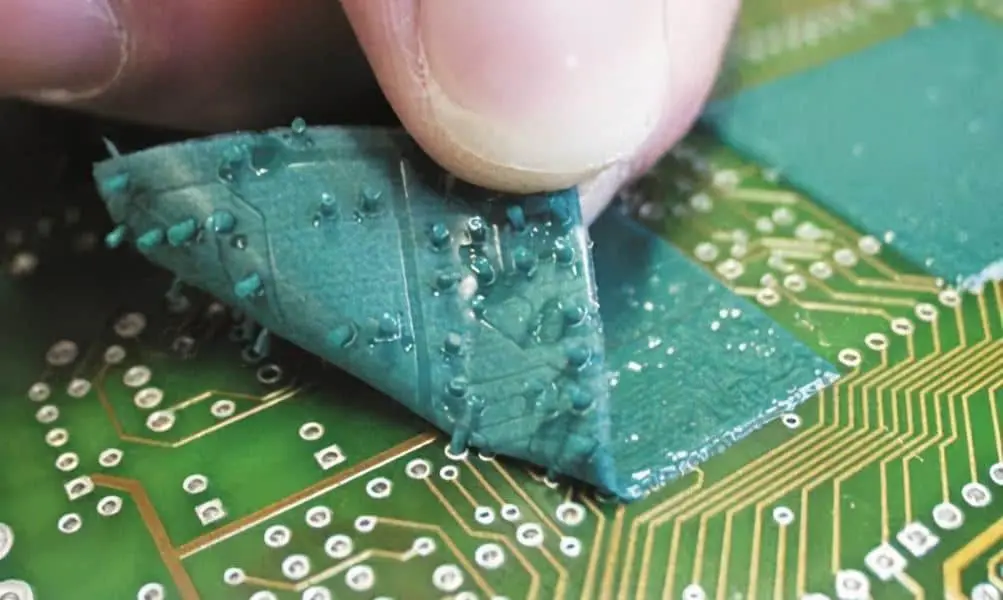
Solder mask plays a critical role in printed circuit board (PCB) design and manufacturing, providing insulation, protection against oxidation, and prevention of solder bridges during assembly. However, issues such as peeling, bubbling, discoloration, or incomplete coverage can arise, leading to functionality problems, reduced reliability, or even complete board failure. The Solder Mask Troubleshooting tag gathers a collection of in-depth articles and guides dedicated to diagnosing and resolving these common challenges, making it an essential resource for PCB engineers, technicians, and hobbyists seeking practical solutions. Users searching for solder mask troubleshooting often encounter defects during prototyping, production runs, or post-assembly inspections. This tag addresses key pain points, including identifying root causes like improper curing temperatures, contamination from handling, or mismatches in material compatibility. For instance, articles explore step-by-step methods to test for adhesion failures using simple tools like tape tests or visual inspections under magnification. Best practices highlighted here include selecting the right solder mask type—such as liquid photoimageable or dry film—based on board complexity and environmental demands, along with tips for optimizing application processes to minimize voids and ensure uniform thickness. By delving into real-world case studies and expert advice, this tag equips readers with actionable insights to enhance PCB durability and performance. Whether you are dealing with high-volume manufacturing glitches or DIY repair scenarios, the content emphasizes preventive measures, such as proper surface preparation and curing protocols, to avoid recurring issues. Browsing through the related articles can help you find tailored fixes for specific problems, from repairing damaged masks with touch-up techniques to implementing quality control checks that streamline your workflow and reduce downtime.
Video Guide
No videos found for this tag.
Technical Articles
Get in Touch
Send Message
- Products & Service
- Company
- About AIVON
- Contact
- News
- Blog
- Certification
-


- Payment
-


2026 AIVON.COM All Rights Reserved