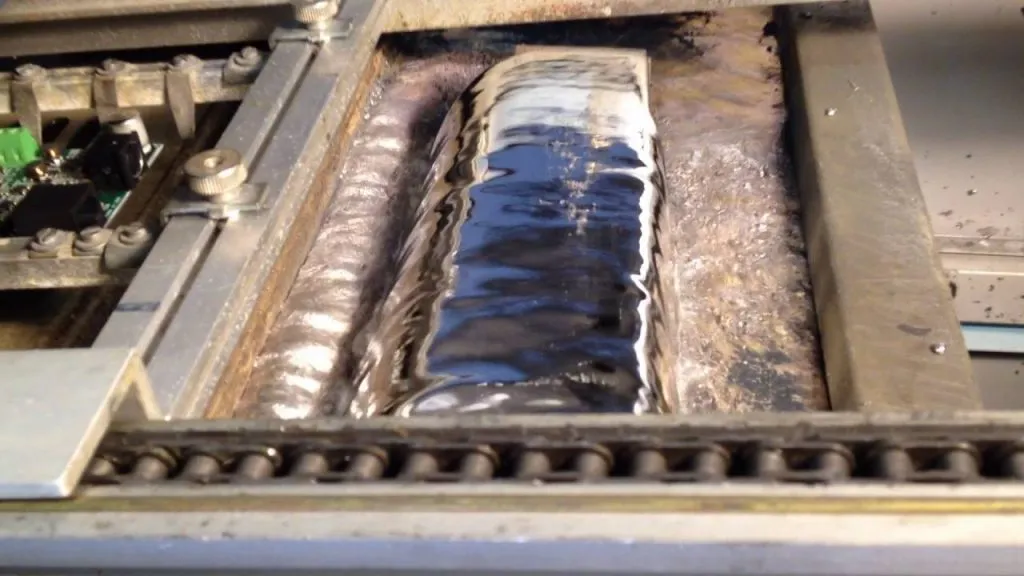
Solder Selection
Selecting the right solder is a critical step in any electronics assembly or repair process, directly impacting the reliability, performance, and longevity of printed circuit boards (PCBs) and components. The Solder Selection tag on our blog gathers comprehensive resources to guide engineers, hobbyists, and technicians through the nuances of choosing appropriate solder materials for various applications. Whether you are working on high-volume production lines or prototyping in a home lab, understanding solder types, compositions, and properties can prevent common issues like weak joints, thermal damage, or environmental non-compliance. Key considerations in solder selection include alloy composition, such as traditional tin-lead blends versus modern lead-free alternatives that meet RoHS standards. Flux types play a vital role too, with options like rosin-core for clean soldering or no-clean fluxes for minimal residue. Practical applications range from surface-mount technology (SMT) where low-melting-point solders ensure precise reflow, to through-hole soldering that demands higher mechanical strength. Best practices emphasize matching solder to substrate materials, operating temperatures, and regulatory requirements, while also factoring in cost-effectiveness and ease of use. For instance, selecting a solder with the appropriate diameter and flux percentage can significantly reduce defects like bridging or cold solder joints, leading to more robust electronic assemblies. Articles tagged under Solder Selection offer detailed comparisons, step-by-step guides, and case studies that address real-world challenges. Readers often find value in exploring these pieces to refine their techniques, such as optimizing solder for automotive electronics exposed to vibration or for medical devices requiring biocompatibility. By delving into these resources, you can gain actionable insights to enhance your soldering processes and achieve professional-grade results in your projects.
Video Guide
No videos found for this tag.
Technical Articles
Get in Touch
Send Message
- Products & Service
- Company
- About AIVON
- Contact
- News
- Blog
- Certification
-


- Payment
-


2026 AIVON.COM All Rights Reserved